
 EN
EN
ຖ້າທ່ານກຳລັງເຮັດວຽກກັບການພິມ 3D ຂອງເຄື່ອງຈັກ, ໂດຍສະເພາະວິທີການປຸງແຕ່ງດ້ວຍການປະສົມຜົງ (powder bed fusion), ທ່ານອາດຈະເຄີຍໄດ້ຍິນຄຳວ່າ ASTM F2924 ມາແລ້ວ. ນີ້ເປັນໜຶ່ງໃນຂໍ້ກຳນົດທີ່ຖືກກ່າວເຖິງເລື້ອຍໆ ແຕ່ບໍ່ຄ່ອຍເຂົ້າໃຈຢ່າງເຕັມທີ່. ມື້ນີ້, ພວກເຮົາຈະວິເຄາະຢ່າງເລິກເຊີງ. ມາດຕະຖານນີ້ແມ່ນຫຍັງ? ມັນສຳຄັນແນວໃດຕໍ່ Ti-6Al-4V? ແລະ ທ່ານຄວນຮູ້ຫຍັງຖ້າທ່ານກຳລັງຊື້ຜົງ ຫຼື ພິມຊິ້ນສ່ວນເພື່ອນຳໃຊ້ໃນການປະຕິບັດຈິງ?
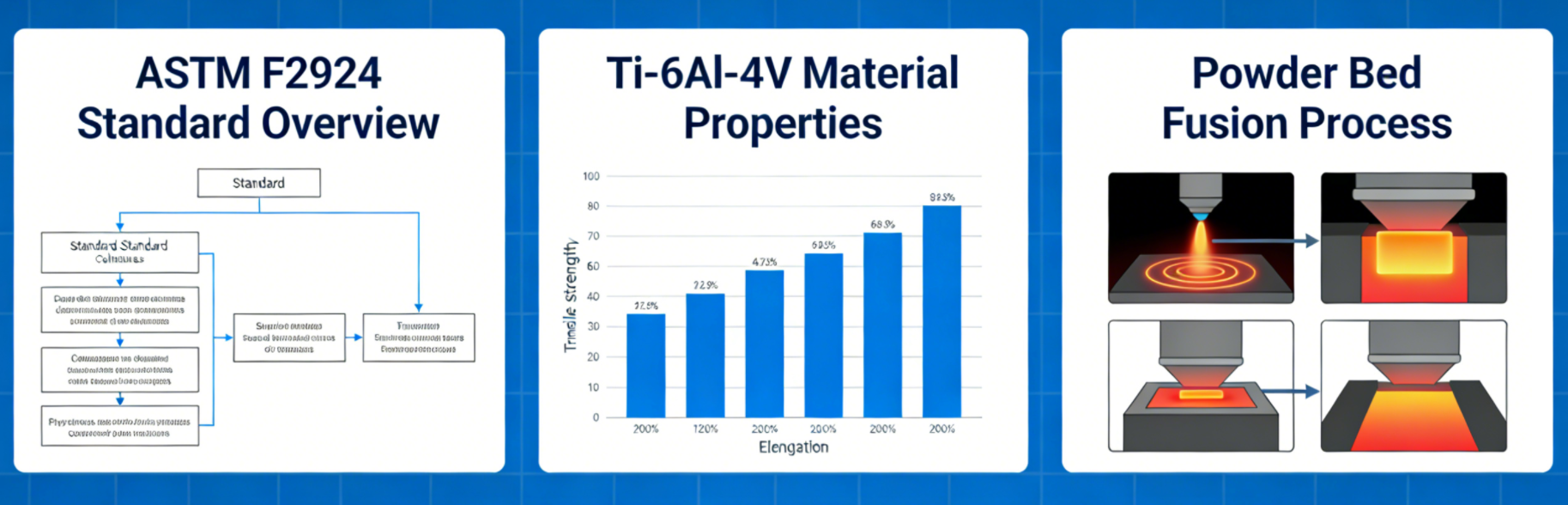
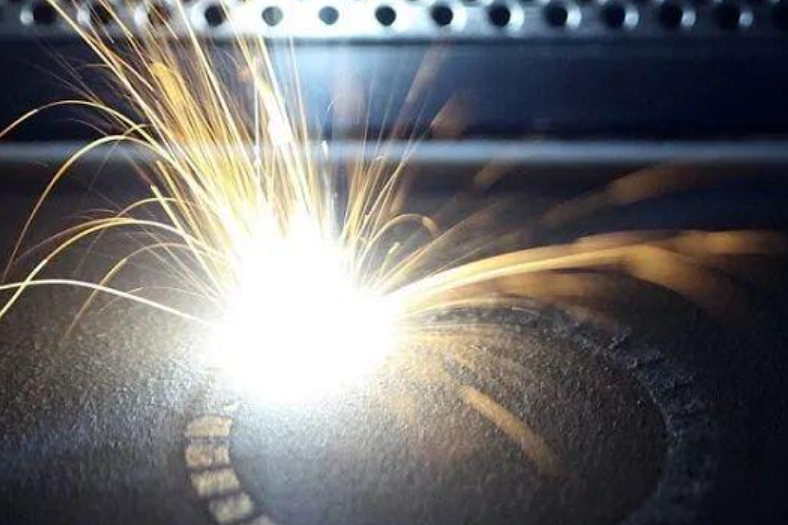
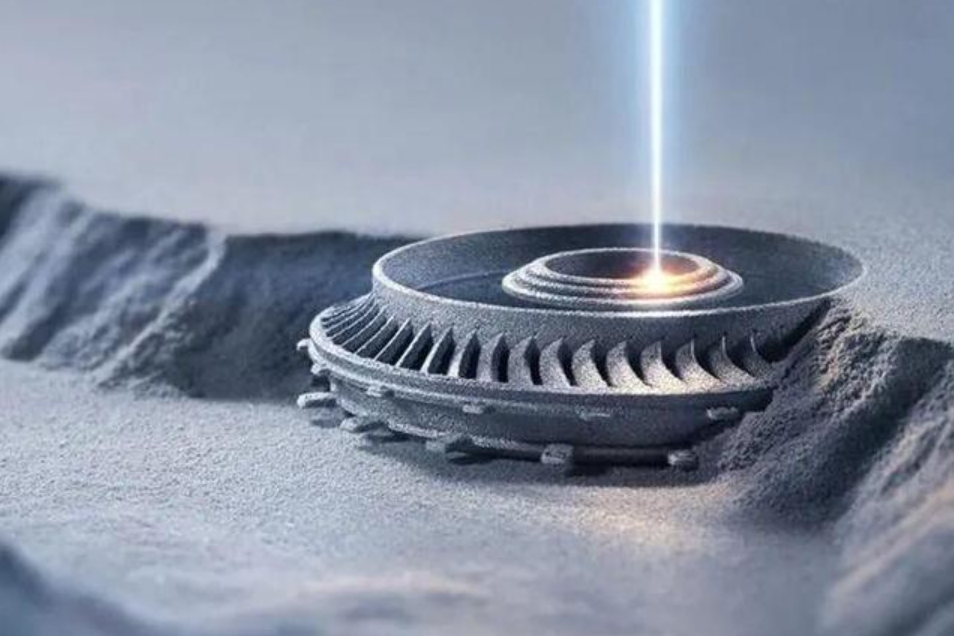
ໃຫ້ພວກເຮົາເລີ່ມຕົ້ນດ້ວຍສິ່ງທີ່ເປັນພື້ນຖານກ່ອນ. ASTM F2924 ແມ່ນມາດຕະຖານທີ່ກຳນົດຂໍ້ກຳນົດສຳລັບການຜະລິດເພີ່ມເຕີມ (Additive Manufacturing) ຂອງທີເຕເນຍມ 6 ອາລູມີເນີ້ມ 4 ວານາເດີ້ມ (Ti-6Al-4V) ໂດຍໃຊ້ເຕັກນິກ Powder Bed Fusion. ນີ້ເປັນຄຳທີ່ຍາວຍາກຈະເວົ້າ, ຂ້າພະເຈົ້າຮູ້ດີ. ແຕ່ໂດຍພື້ນຖານແລ້ວ ມາດຕະຖານນີ້ກຳນົດກົດເກນສຳລັບການຜະລິດຊິ້ນສ່ວນ Ti-6Al-4V ໂດຍໃຊ້ເລເຊີ່ ຫຼື ຕົວປ່ອຍອີເລັກຕຣອນ (electron beams) ເພື່ອລະລາຍເຂົ້າດ້ວຍຝຸ່ນທີລະຊັ້ນໆໄປ. ມັນຄອບຄຸມທຸກສິ່ງທຸກຢ່າງ ເລີ່ມຈາກຝຸ່ນເອງ ຈົນເຖິງຄຸນສົມບັດທາງກົດເຄື່ອນສຸດທ້າຍຂອງຊິ້ນສ່ວນທີ່ພິມອອກ.
ເຫດຜົນທີ່ມາດຕະຖານນີ້ມີຢູ່ຕັ້ງແຕ່ເລີ່ມຕົ້ນ
ກ່ອນທີ່ຈະມີມາດຕະຖານເຫຼົ່ານີ້ເກີດຂຶ້ນ, ການຜະລິດເພີ່ມເຕີມ (Additive Manufacturing) ແມ່ນຄືກັບເຂດທີ່ບໍ່ມີກົດເກນ (wild west). ມີເຄື່ອງຈັກທີ່ແຕກຕ່າງກັນ, ຝຸ່ນທີ່ແຕກຕ່າງກັນ, ແລະ ການຕັ້ງຄ່າທີ່ແຕກຕ່າງກັນ. ທ່ານອາດຈະໄດ້ຮັບຊິ້ນສ່ວນທີ່ດີເລີດໃນມື້ໜຶ່ງ ແຕ່ອີກມື້ໜຶ່ງກັບໄດ້ຊິ້ນສ່ວນທີ່ບໍ່ດີເລີຍ. ບໍ່ມີຄວາມເປັນເອກະພາບ. ແລະ ຖ້າທ່ານກຳລັງຜະລິດຊິ້ນສ່ວນສຳລັບການບິນອາວະກາດ, ອຸປະກອນທາງການແພດທີ່ຕ້ອງຝັງໃນຮ່າງກາຍ, ຫຼື ການນຳໃຊ້ໃນອຸດສາຫະກຳລົດ, ຄວາມເປັນເອກະພາບແມ່ນສິ່ງທີ່ສຳຄັນທີ່ສຸດ. ທ່ານບໍ່ສາມາດໃຫ້ຊິ້ນສ່ວນເສຍຫາຍໄດ້ ເນື່ອງຈາກວ່າວັດສະດຸບໍ່ໄດ້ບັນລຸຕາມຂໍ້ກຳນົດ.
ASTM F2924 ແມ່ນຖືກພັດທະນາຂຶ້ນເພື່ອປ່ຽນແປງສິ່ງນີ້. ມັນໃຫ້ຜູ້ຜະລິດ, ຜູ້ຈັດສົ່ງ, ແລະ ຜູ້ໃຊ້ສຸດທ້າຍມີພາສາຮ່ວມກັນ. ມັນເວົ້າວ່າ, ຖ້າທ່ານປະຕິບັດຕາມກົດເຫຼົ່ານີ້, ສ່ວນປະກອບທີ່ທ່ານຜະລິດຈະມີຄຸນສົມບັດທີ່ສາມາດທຳนายໄດ້ ແລະ ເຊື່ອຖືໄດ້. ສິ່ງນີ້ມີຄວາມສຳຄັນຢ່າງຍິ່ງເມື່ອຊີວິດຂອງຄົນເປັນເປົ້າໝາຍ ຫຼື ເມື່ອສ່ວນປະກອບຕ້ອງຢູ່ລອດໃນສະພາບການທີ່ຮຸນແຮງ.
ສິ່ງທີ່ມາດຕະຖານນີ້ຄຸມຄຸມຢ່າງແທ້ຈິງ
ດັ່ງນັ້ນ, ເອກະສານນີ້ປະກອບດ້ວຍຫຼັກການຫຼັກຫຼາຍຂໍ້. ຂໍ້ທຳອິດ, ມັນກຳນົດຄວາມຕ້ອງການດ້ານປະກອບເคมີຂອງຜົງ. ທ່ານບໍ່ສາມາດນຳໃຊ້ຜົງທີເຕເນີ້ມໃດກໍຕາມແລ້ວເອີ້ນມັນວ່າ Ti-6Al-4V ໄດ້. ປະລິມານຂອງແອລູມີເນີ້ມ, ວານາເດີ້ມ, ເຫຼັກ, ໂອກຊີເຈັນ ແລະ ອົງປະກອບອື່ນໆ ຕ້ອງຢູ່ໃນຊ່ວງທີ່ກຳນົດໄວ້ຢ່າງເຈາະຈົງ. ຕົວຢ່າງເຊັ່ນ: ໂອກຊີເຈັນຫຼາຍເກີນໄປອາດເຮັດໃຫ້ວັດສະດຸເປື່ອຍງ່າຍ, ແລະ ຖ້າແອລູມີເນີ້ມນ້ອຍເກີນໄປກໍຈະປ່ຽນຄວາມແຂງແຮງ. ມາດຕະຖານນີ້ກຳນົດຂອບເຂດເພື່ອໃຫ້ທຸກຄົນຮູ້ວ່າພວກເຂົາຈະໄດ້ຮັບຫຍັງ.
ອັນທີສອງ, ມັນຄຸມຄຸມຄຸນສົມບັດເຊິ່ງກ່ຽວຂ້ອງກັບການເຮັດວຽກຂອງຊິ້ນສ່ວນທີ່ສຳເລັດ. ເຊັ່ນ: ຄວາມແຂງແຮງຕໍ່ການດຶງ (tensile strength), ຄວາມແຂງແຮງຕໍ່ການຫຼຸ້ນ (yield strength), ແລະ ຄວາມຍືດຍຸ່ນ (elongation). ຕົວເລກເຫຼົ່ານີ້ຈະບອກທ່ານວ່າວັດສະດຸຈະປະພຶດຕົວແນວໃດເມື່ອຖືກນຳໄປໃຊ້ໃຕ້ການເຄື່ອນໄຫວ. ມັນຈະງໍ? ມັນຈະແຕກ? ມັນຈະຮັບນ້ຳໜັກໄດ້ຫຼາຍປານໃດກ່ອນທີ່ຈະເກີດການເปลີ່ນຮູບ? ມາດຕະຖານນີ້ກຳນົດຄ່າຕ່ຳສຸດທີ່ຊິ້ນສ່ວນຕ້ອງບັນລຸ.
ອັນທີສາມ, ມັນກ່າວເຖິງເລື່ອງຄວາມໜາແໜ້ນ (density) ແລະ ວິທີການສັງເກດໂຄງສ້າງຈຸລະພາກ (microstructure). ຊິ້ນສ່ວນທີ່ຜະລິດດ້ວຍວິທີ powder bed fusion ຕ້ອງມີຄວາມໜາແໜ້ນຢ່າງສົມບູນ, ບໍ່ຄວນມີບ່ອນຫວ່າງ (voids) ຫຼື ຈຸດທີ່ອ່ອນແອ. ມາດຕະຖານນີ້ໄດ້ກຳນົດວິທີການທີ່ຈະກວດສອບຄວາມໜາແໜ້ນດັ່ງກ່າວ.
ຄວາມຕ້ອງການດ້ານເຄມີ ແລະ ສາເຫດທີ່ມັນສຳຄັນ
ໃຫ້ພວກເຮົາເຂົ້າໄປເບິ່ງລາຍລະອຽດຂອງເຄມີສາດຕື່ມອີກ. Ti-6Al-4V ເປັນໂລຫະປະສົມ, ຊຶ່ງໝາຍຄວາມວ່າມັນເປັນສ່ວນປະສົມຂອງທາດຕ່າງໆ. ຕົວເລກບອກເຖິງອັດຕາສ່ວນປະມານ. ອາລູມິນຽມຫົກເປີເຊັນ, ວາເນດຽມສີ່ເປີເຊັນ, ແລະ ສ່ວນທີ່ເຫຼືອແມ່ນທາດໄທທານຽມ. ແຕ່ຍັງມີທາດຕ່າງໆທີ່ສາມາດລັກລອບເຂົ້າມາໄດ້. ທາດເຫຼັກ, ອົກຊີເຈນ, ຄາບອນ, ໄນໂຕຣເຈນ, ໄຮໂດຣເຈນ. ສິ່ງເຫຼົ່ານີ້ຕ້ອງໄດ້ຮັບການຄວບຄຸມ.
ອີກອັນໜຶ່ງທີ່ສຳຄັນຫຼາຍແມ່ນ ໂອຊີເຈນ. ໂທເລເນັຽມມີຄວາມຮັກຕໍ່ໂອຊີເຈນ. ມັນປະກອບເປັນຊັ້ນອັກໄຊດ໌ທີ່ເຂັ້ມແຂງຢູ່ເທິງໜ້າພ້ອວຂອງມັນ. ແຕ່ໃນຕົວເອງຂອງໂທເລເນັຽມ, ໂອຊີເຈນທີ່ຫຼາຍເກີນໄປຈະເຮັດໃຫ້ອາລ໌ລອຍແຂງຂື້ນ ແລະ ຫຼຸດລົງໃນຄວາມຍືດຫຼຸ່ນ. ມັນສູນເສຍຄວາມສາມາດໃນການງໍ່ກ່ອນທີ່ຈະຫັກ. ສຳລັບການນຳໃຊ້ຫຼາຍໆດ້ານ, ນີ້ເປັນບັນຫາ. ມາດຕະຖານໄດ້ກຳນົດຄ່າສູງສຸດຂອງໂອຊີເຈນເພື່ອຮັກສາວັດສະດຸໃຫ້ຢູ່ໃນຂອບເຂດທີ່ເໝາະສົມ.
ບໍລິສັດທີ່ຜະລິດເຂົ້າເປັນຟອງຂອງອາລ໌ລອຍໂທເລເນັຽມຈະສັງເກດລາຍລະອອງເຫຼົ່ານີ້ຢ່າງໃກ້ຊິດ. ວິທີການຂອງພວກເຂົາຖືກອອກແບບມາເພື່ອຜະລິດເຂົ້າເປັນຟອງທີ່ເຂົ້າເກນຂໍ້ກຳນົດຢ່າງຕໍ່ເນື່ອງ. ເມື່ອທ່ານເລີ່ມຕົ້ນດ້ວຍເຂົ້າເປັນຟອງທີ່ບັນລຸເຖິງເປົ້າໝາຍດ້ານເຄມີ, ທ່ານກໍໄດ້ເດີນໄປເຖິງເປົ້າໝາຍໃນການຜະລິດຊິ້ນສ່ວນທີ່ດີແລ້ວ.
ຄຸນສົມບັດທາງກາຍະພາບທີ່ທ່ານສາມາດເຊື່ອຖືໄດ້
ຄວາມຕ້ອງການດ້ານຄຸນສົມບັດທາງກາຍະພາບໃນ ASTM F2924 ແມ່ນອີກສ່ວນໜຶ່ງທີ່ສຳຄັນຫຼາຍ. ຕົວເລກເຫຼົ່ານີ້ມາຈາກການທົດສອບຊິ້ນສ່ວນທີ່ພິມອອກຈິງ. ມັນບອກທ່ານວ່າວັດສະດຸນີ້ສາມາດຮັບມືກັບສິ່ງໃດໄດ້.
ຄວາມແຂງແຮງຕໍ່ການດຶງ (Tensile strength) ແມ່ນເປັນການວັດແທກວ່າວັດສະດຸຈະຮັບຄວາມແຕກຫັກໄດ້ເທົ່າໃດກ່ອນທີ່ຈະເກີດການຫັກ. ຄວາມແຂງແຮງທີ່ເລີ່ມເກີດການເปลີ່ນຮູບຢ່າງຖາວອນ (Yield strength) ແມ່ນຈຸດທີ່ວັດສະດຸເລີ່ມເກີດການເປີ່ນຮູບຢ່າງຖາວອນ. ຄວາມຍືດຍຸ່ນ (Elongation) ແມ່ນເປັນການວັດແທກວ່າວັດສະດຸຈະຍືດອອກໄດ້ເທົ່າໃດກ່ອນທີ່ຈະຫັກ. ສຳລັບໂລຫະผสม Ti-6Al-4V ທີ່ຜະລິດດ້ວຍເຕັກນິກ powder bed fusion, ຕົວເລກເຫຼົ່ານີ້ມີຄວາມດີເດັ່ນຫຼາຍ. ໂລຫະປະສົມນີ້ມີຄວາມແຂງແຮງສູງ, ມີຄວາມຍືດຍຸ່ນທີ່ຄ່ອນຂ້າງດີ, ແລະ ມີຄວາມສອດຄ່ອງກັນໃນທຸກໆການຜະລິດ.
ແຕ່ການບັນລຸຕົວເລກເຫຼົ່ານີ້ບໍ່ໄດ້ເກີດຂຶ້ນອັດຕະໂນມັດ. ມັນຂຶ້ນກັບຄຸນນະພາບຂອງຜົງ, ການຕັ້ງຄ່າຂອງເຄື່ອງຈັກ, ປັດໄຈການຜະລິດ, ແລະ ຂະບວນການປະມວນຜົນຫຼັງ. ຕົວຢ່າງເຊັ່ນ: ການປັບປຸງຄຸນນະພາບດ້ວຍຄວາມຮ້ອນ (Heat treatment) ສາມາດປ່ຽນຄຸນສົມບັດສຸດທ້າຍຂອງຜະລິດຕະພັນໄດ້. ມາດຕະຖານທີ່ກຳນົດໄວ້ໄດ້ຮັບຮູ້ເຖິງເລື່ອງນີ້ ແລະ ໃຫ້ຄຳແນະນຳກ່ຽວກັບສິ່ງທີ່ຖືວ່າເປັນທີ່ຍອມຮັບໄດ້.
ວິທີທີ່ຄຸນນະພາບຂອງຜົງມີອິດທິພົນຕໍ່ຄວາມສຳເລັດ
ທີ່ນີ້, ພວກເຮົາຈະເວົ້າກ່ຽວກັບຈຸດເລີ່ມຕົ້ນ: ຜົງ. ທ່ານບໍ່ສາມາດຜະລິດຊິ້ນສ່ວນທີ່ດີໄດ້ຈາກຜົງທີ່ບໍ່ດີ. ມັນງ່າຍດີໆ. ຖ້າຜົງມີປະກອບເคมີທີ່ບໍ່ຖືກຕ້ອງ, ຫຼື ມີສ່ວນປະກອບທີ່ເປັນເມັດເລັກໆ (satellites) ຫຼາຍເກີນໄປ, ຫຼື ການແຈກຢາຍຂະໜາດເມັດບໍ່ຖືກຕ້ອງ, ຊິ້ນສ່ວນສຸດທ້າຍຈະບໍ່ມີຄຸນນະພາບ.
ນີ້ແມ່ນເຫດຜົນທີ່ຜູ້ຜະລິດເຄື່ອງປຸ້ນຝຸ່ນໃຫ້ຄວາມສຳຄັນຢ່າງໃຫຍ່ຕໍ່ຄວາມສອດຄ່ອງ. ພວກເຂົາຕ້ອງການໃຫ້ທຸກໆຊຸດທີ່ຜະລິດອອກມາມີຄວາມຄືກັນ. ພວກເຂົາຕ້ອງການໃຫ້ຝຸ່ນລື່ນໄປໃນເຄື່ອງໄດ້ດີ. ພວກເຂົາຕ້ອງການໃຫ້ຝຸ່ນຖືກບີບອັດຢ່າງເທົ່າທຽມກັນເພື່ອໃຫ້ຊັ້ນທີ່ຖືກລະລາຍອອກມາຢ່າງຖືກຕ້ອງ. ແລະພວກເຂົາຕ້ອງການບັນລຸເປົ້າໝາຍດ້ານເຄມີທຸກໆຄັ້ງ.
ໄຄເກ ເຮັດວຽກຮ່ວມກັບຄວາມຕ້ອງການເຫຼົ່ານີ້ທຸກໆມື້. ເຕັກໂນໂລຊີ DH-S ແລະການມຸ່ງເນັ້ນໄປທີ່ຂະບວນການທີ່ເປັນມິດຕໍ່ສິ່ງແວດລ້ອມຂອງພວກເຂົາບໍ່ໄດ້ເປັນພຽງເລື່ອງຂອງຄວາມຍືນຍົງເທົ່ານັ້ນ, ແຕ່ຍັງເປັນເລື່ອງຂອງຄຸນນະພາບອີກດ້ວຍ. ຝຸ່ນທີ່ສະອາດ ແລະ ມີຄວາມສອດຄ່ອງຈະໃຫ້ຊິ້ນສ່ວນທີ່ດີຂຶ້ນ. ແລະຊິ້ນສ່ວນທີ່ດີຂຶ້ນຈະເຮັດໃຫ້ລູກຄ້າພໍໃຈຫຼາຍຂຶ້ນ.
ບົດບາດຂອງຝຸ່ນທີ່ຖືກນຳມາໃຊ້ຄືນໃໝ່ໃນການບັນລຸເງື່ອນໄຂທີ່ກຳນົດ
ນີ້ແມ່ນສິ່ງທີ່ນ່າສົນໃຈ. ມາດຕະຖານດັ່ງກ່າວບໍ່ໄດ້ກ່າວວ່າທ່ານຈະຕ້ອງໃຊ້ຝຸ່ນທີ່ຍັງບໍ່ເຄີຍຖືກນຳໃຊ້ມາກ່ອນ. ອາດຈະໃຊ້ຝຸ່ນທີ່ຖືກນຳມາໃຊ້ຄືນໃໝ່ໄດ້ ເຖິງແມ່ນວ່າຈະຕ້ອງບັນລຸເງື່ອນໄຂທີ່ກຳນົດ. ນີ້ເປັນເລື່ອງທີ່ສຳຄັນຫຼາຍ. ເນື່ອງຈາກໃນເຕັກນິກ Powder Bed Fusion, ຝຸ່ນຈຳນວນຫຼາຍຈະຖືກສົ່ງຜ່ານເຄື່ອງ ແຕ່ບໍ່ໄດ້ຖືກລະລາຍ. ມັນຢູ່ທີ່ນັ້ນ, ຖືກເຮັດໃຫ້ຮ້ອນຂຶ້ນເລັກນ້ອຍ, ແລະສາມາດນຳມາໃຊ້ຄືນໃໝ່ໄດ້.
ແຕ່ການນຳເອົາຝຸ່ນມາຮີໄຊເຄິ່ງໃໝ່ບໍ່ໄດ້ງ່າຍເທົ່າກັບການເກັບມັນຂຶ້ນມາແລ້ວເທໃສ່ຄືນໄປ. ການໃຫ້ຄວາມຮ້ອນຊ້ຳໆກັນຈະເຮັດໃຫ້ເຄມີສາດປ່ຽນແປງ. ລະດັບອີກຊີເຈັນສາມາດເພີ່ມຂຶ້ນໄດ້. ການແຈກຢາຍຂະໜາດຂອງອະນຸພາກສາມາດປ່ຽນແປງໄດ້. ດັ່ງນັ້ນ, ຖ້າທ່ານກຳລັງໃຊ້ຝຸ່ນທີ່ຖືກນຳມາຮີໄຊເຄິ່ງໃໝ່, ທ່ານຈຳເປັນຕ້ອງທົດສອບມັນ. ທ່ານຈຳເປັນຕ້ອງຮັບປະກັນວ່າມັນຍັງຄົງເຂົ້າເກນທີ່ກຳນົດ.
ບໍລິສັດທີ່ເອົາໃຈໃສ່ຕໍ່ຄວາມຍືນຍົງມີລະບົບທີ່ຈັດຕັ້ງຂຶ້ນເພື່ອຈັດການເລື່ອງນີ້. ພວກເຂົາຮູ້ວິທີຈັດການວັດຖຸທີ່ຖືກນຳມາຮີໄຊເຄິ່ງໃໝ່ເພື່ອໃຫ້ມັນປະຕິບັດໄດ້ດີເທົ່າກັບວັດຖຸທີ່ຍັງບໍ່ເຄີຍຖືກນຳໃຊ້. ນີ້ເປັນປະໂຫຍດຕໍ່ດິນແດນ ແລະ ຍັງເປັນປະໂຫຍດຕໍ່ຜົນການເງິນອີກດ້ວຍ.
ເຫດໃດທີ່ມາດຕະຖານນີ້ມີຄວາມສຳຄັນຕໍ່ອຸດສາຫະກຳທີ່ແຕກຕ່າງກັນ
ອຸດສາຫະກຳທີ່ແຕກຕ່າງກັນມີເຫດຜົນທີ່ແຕກຕ່າງກັນໃນການໃຫ້ຄວາມສຳຄັນຕໍ່ມາດຕະຖານ ASTM F2924. ໃນດ້ານການບິນອາວະກາດ, ມັນເກີດຈາກຄວາມປອດໄພ. ສ່ວນປະກອບຕ້ອງມີຄວາມສາມາດທີ່ຈະຄາດເດົາໄດ້. ມັນຕ້ອງສາມາດຢູ້ຮອດສະພາບການທີ່ຮຸນແຮງໄດ້. ຖ້າສ່ວນປະກອບເຊັ່ນ: ແຖບເຊື່ອມຕໍ່ເສຍຫາຍໃນເຮືອບິນ, ຄົນຈະເສຍຊີວິດ. ດັ່ງນັ້ນ, ມາດຕະຖານນີ້ຈຶ່ງໃຫ້ຄວາມໝັ້ນໃຈແກ່ວິສະວະກອນ.
ໃນດ້ານການແພດ, ມັນກ່ຽວກັບຄວາມເຂົ້າກັນໄດ້ທາງຊີວະພາບ ແລະຄວາມຫນ້າເຊື່ອຖື. ການປູກຝັງເຂົ້າໄປໃນຄົນ ພວກເຂົາຕ້ອງເຮັດວຽກເປັນເວລາຫລາຍທົດສະວັດ. ມາດຕະຖານຮັບປະກັນວ່າວັດສະດຸແມ່ນສອດຄ່ອງແລະຄຸນສົມບັດແມ່ນຮູ້.
ໃນລົດແລະການແຂ່ງຂັນ, ມັນກ່ຽວກັບການປະຕິບັດ. ສ່ວນທີ່ເບົາແລະແຂງແຮງ ທີ່ສາມາດຮັບມືກັບຄວາມຮ້ອນ ແລະຄວາມກົດດັນໄດ້ ມາດຕະຖານນີ້ໃຫ້ຜູ້ອອກແບບເປັນພື້ນຖານທີ່ພວກເຂົາສາມາດເຊື່ອຖືໄດ້.
ສໍາລັບແຕ່ລະພາກສ່ວນ, ການມີຂໍ້ ກໍາ ນົດຮ່ວມກັນ ຫມາຍ ຄວາມວ່າການຄາດເດົາ ຫນ້ອຍ ລົງ. ມັນຫມາຍຄວາມວ່າ ສ່ວນທີ່ຜະລິດຈາກຜູ້ສະຫນອງທີ່ແຕກຕ່າງກັນ ສາມາດປຽບທຽບໄດ້. ມັນຫມາຍຄວາມວ່າ ການຄວາຍຟາຍ ແມ່ນໄວ ແລະລາຄາຖືກກວ່າ.
ຄວາມ ຫມາຍ ຂອງ ມັນ ສໍາ ລັບ ທ່ານ ຖ້າ ທ່ານ ຊື້ ຝຸ່ນ ຫຼື ສ່ວນ ພິມ
ຖ້າທ່ານຢູ່ໃນທຸລະກິດໃນການຜະລິດຊິ້ນສ່ວນດ້ວຍ Ti-6Al-4V, ASTM F2924 ແມ່ນເພື່ອນຂອງທ່ານ. ເມື່ອທ່ານຊື້ຝຸ່ນ, ຖາມວ່າມັນຕອບສະ ຫນອງ ກັບຂໍ້ ກໍາ ນົດ. ເມື່ອທ່ານຄວາຍຟີເຄື່ອງຈັກໃຫມ່ ຫຼື ຂະບວນການໃຫມ່, ທົດສອບກັບສະເປັກ. ເມື່ອທ່ານສົ່ງຊິ້ນສ່ວນໃຫ້ລູກຄ້າ, ສະແດງໃຫ້ພວກເຂົາເຫັນວ່າທ່ານ ກໍາ ລັງເຮັດວຽກຕາມມາດຕະຖານ.
ມັນປ້ອງກັນທ່ານ. ມັນປ້ອງກັນລູກຄ້າຂອງທ່ານ. ແລະ ມັນເຮັດໃຫ້ອຸດສາຫະກຳທັງໝົດເຮັດວຽກໄດ້ຢ່າງລຽບລ້ອຍຂຶ້ນ.
ຜູ້ສະໜອງທີ່ມີຊື່ສຽງເຂົ້າໃຈສິ່ງນີ້. ພວກເຂົາສ້າງຂະບວນການຂອງພວກເຂົາໃນແຕ່ລະຂັ້ນຕອນເພື່ອບັນລຸມາດຕະຖານເຫຼົ່ານີ້. ດັ່ງນັ້ນເວລາທີ່ທ່ານຊື້ຈາກພວກເຂົາ, ທ່ານບໍ່ໄດ້ຮັບພຽງແຕ່ຜົງເທົ່ານັ້ນ, ແຕ່ທ່ານກຳລັງໄດ້ຮັບການຮັບປະກັນວ່າວັດສະດຸຈະປະຕິບັດຕາມທີ່ຄາດຫວັງ.
ທັດສະນະທີ່ກວ້າງຂວາງກ່ຽວກັບມາດຕະຖານ ແລະ ຄຸນນະພາບ
ໃນທີ່ສຸດ, ມາດຕະຖານເຊັ່ນ: ASTM F2924 ມີຢູ່ເພື່ອປັບປຸງສິ່ງຕ່າງໆ. ມັນຊ່ວຍຫຼຸດຜ່ອນການທົດສອບແບບສຸ່ມ. ມັນໃຫ້ເປົ້າໝາຍຮ່ວມກັນທີ່ທຸກຄົນສາມາດມຸ່ງໝາຍໄປຫາ. ແລະ ສຳລັບວັດສະດຸເຊັ່ນ: Ti-6Al-4V ທີ່ຖືກນຳໃຊ້ໃນການນຳໃຊ້ທີ່ຕ້ອງການຄວາມແຂງແຮງສູງທີ່ສຸດໃນໂລກ, ຄວາມສອດຄ່ອງນີ້ມີຄຸນຄ່າທີ່ບໍ່ສາມາດວັດແທກໄດ້.
ບໍ່ວ່າທ່ານຈະພິມຊິ້ນສ່ວນສຳລັບລົດແຂ່ງ, ອຸປະກອນທາງການແພດ, ຫຼື ເຮືອບິນ, ການຮູ້ວ່າວັດສະດຸຂອງທ່ານບັນລຸມາດຕະຖານທີ່ກຳນົດໄວ້ຈະເຮັດໃຫ້ທ່ານຮູ້ສຶກສະບາຍໃຈ. ມັນຊ່ວຍໃຫ້ທ່ານສາມາດມຸ່ງເນັ້ນໄປທີ່ການອອກແບບ, ການປະດິດສ້າງ, ແລະ ສິ່ງທີ່ຈິງຈັງສຳຄັນ.
ແລະດ້ວຍບໍລິສັດທີ່ກຳລັງຂະຫຍາຍຂອບເຂດຂອງສິ່ງທີ່ເປັນໄປໄດ້ດ້ວຍເຕັກນິກ powder bed fusion, ການມີພື້ນຖານທີ່ແໝ່ນອນເຊັ່ນ: ASTM F2924 ຈຶ່ງມີຄວາມສຳຄັນຫຼາຍຂຶ້ນກວ່າເຄີຍ.
สารบัญ
- ເຫດຜົນທີ່ມາດຕະຖານນີ້ມີຢູ່ຕັ້ງແຕ່ເລີ່ມຕົ້ນ
- ສິ່ງທີ່ມາດຕະຖານນີ້ຄຸມຄຸມຢ່າງແທ້ຈິງ
- ຄວາມຕ້ອງການດ້ານເຄມີ ແລະ ສາເຫດທີ່ມັນສຳຄັນ
- ຄຸນສົມບັດທາງກາຍະພາບທີ່ທ່ານສາມາດເຊື່ອຖືໄດ້
- ວິທີທີ່ຄຸນນະພາບຂອງຜົງມີອິດທິພົນຕໍ່ຄວາມສຳເລັດ
- ບົດບາດຂອງຝຸ່ນທີ່ຖືກນຳມາໃຊ້ຄືນໃໝ່ໃນການບັນລຸເງື່ອນໄຂທີ່ກຳນົດ
- ເຫດໃດທີ່ມາດຕະຖານນີ້ມີຄວາມສຳຄັນຕໍ່ອຸດສາຫະກຳທີ່ແຕກຕ່າງກັນ
- ຄວາມ ຫມາຍ ຂອງ ມັນ ສໍາ ລັບ ທ່ານ ຖ້າ ທ່ານ ຊື້ ຝຸ່ນ ຫຼື ສ່ວນ ພິມ
- ທັດສະນະທີ່ກວ້າງຂວາງກ່ຽວກັບມາດຕະຖານ ແລະ ຄຸນນະພາບ
