
 EN
EN
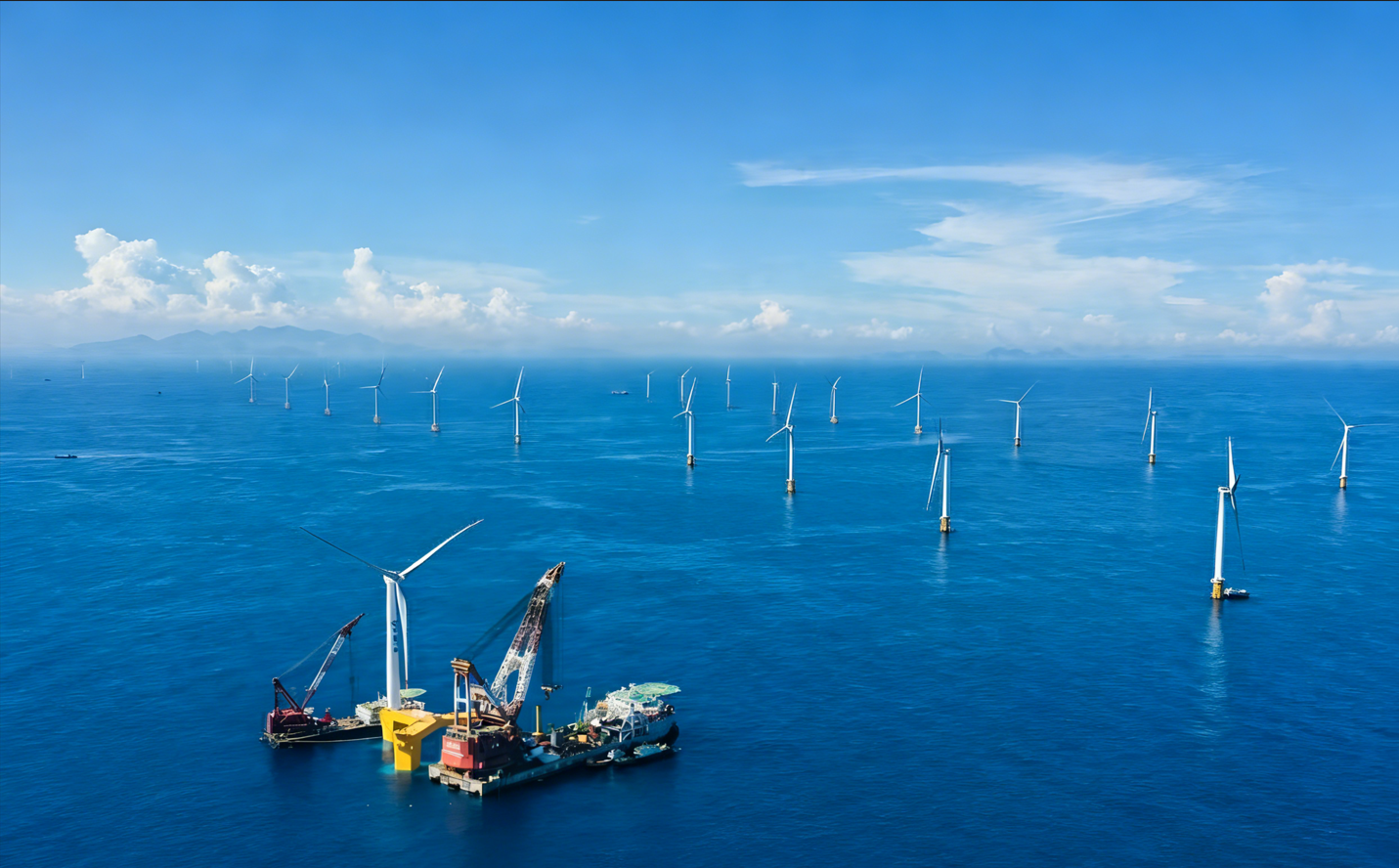
If you're designing or specifying parts that need to survive the harsh marine environment, you know the battle against corrosion is relentless. Salt spray, constant moisture, and UV exposure can turn a precision component into a failed piece of junk in no time. When those parts are also small, complex, and need to be produced in volume, the manufacturing challenge gets even tougher.
This is where Metal Injection Molding, or MIM, really shines. It lets you create incredibly detailed, strong metal parts that would be a nightmare to machine. But here's the critical part: the success of your entire MIM project for marine applications hinges on one foundational decision—choosing the right feedstock.
The powder that goes into the process isn't just a material; it's the DNA of your final part. Picking the optimal feedstock is what separates a part that fails prematurely from one that endures for the long haul, delivering performance, reliability, and ultimately, value.
Understanding the Unique Corrosion Challenges in Marine Environments
Before we dive into powders and binders, you need to know what you're up against. Marine corrosion isn't one single thing; it's a combination of aggressive attacks.
The most obvious culprit is saltwater chlorides. These ions are incredibly effective at breaking down protective surface layers on metals, leading to pitting and crevice corrosion, which are especially dangerous because they can cause hidden, localized failures.
Then there's galvanic corrosion. If your MIM part is in contact with a different metal (like a stainless steel fastener in an aluminum housing), you've just created a battery. The less noble metal will corrode away sacrificially.
Don't forget about biofouling. Marine organisms like barnacles and algae don't just create drag; their waste products and the environments they create under their holdfasts can be highly corrosive.
Finally, consider mechanical wear. The combination of corrosion and physical abrasion from sand or particulates, known as erosion-corrosion, can degrade a part much faster than either factor alone.
Your feedstock material must be selected to form a part that can resist this entire cocktail of threats.
Key Criteria for Selecting MIM Feedstock for Marine Applications
So, what should you be looking for in a MIM feedstock when the part is destined for saltwater duty? It goes way beyond just picking a "stainless steel" or "titanium" from a catalog. You need to evaluate these core criteria.
The inherent corrosion resistance of the metal alloy is your first and most important filter. For marine use, you're typically looking at a few champions.
Austenitic stainless steels like 316L are a common go-to for good reason. Their molybdenum content gives them much better resistance to chlorides than standard 304 stainless.
Then you have the superstar: titanium alloys, particularly Ti-6Al-4V (Grade 5). Titanium forms an instant, tenacious, and self-healing oxide layer that makes it virtually immune to saltwater corrosion and pitting. It's the gold standard for critical marine applications where failure is not an option.
Next, you must consider the powder characteristics themselves. Not all powder of the same alloy is created equal.
The particle size and shape are critical for the MIM process. You need fine, spherical powder for good flow during molding and high final density. A dense part with low porosity is essential because pores are tiny hiding spots where crevice corrosion can start.
The powder's purity and low interstitial content (things like oxygen and carbon) are non-negotiable. High oxygen in titanium powder, for example, can make it brittle and compromise its corrosion resistance. This is where working with a specialist powder producer, like those focusing on advanced spherical titanium powders, makes a huge difference.
Finally, think about the total lifecycle cost and manufacturability.
A more expensive feedstock that yields near-net-shape parts with zero secondary operations and a 25-year life is far cheaper than a "cheap" feedstock that requires extensive machining and fails in 5 years.
Also, consider if the feedstock formulation is designed for robust molding and clean debinding, which leads to higher production yields and more consistent part quality.
Why Titanium Alloy Feedstock is a Game Changer for Marine Components
Let's talk about titanium in more depth because it represents a paradigm shift for marine MIM parts. For a long time, titanium was seen as a "space-age" material—incredible properties but prohibitively expensive for most applications. That's changing.
Innovations in powder production, like proprietary spheroidization technologies from companies such as KYHE Tech, are dramatically slashing the cost of high-quality titanium powder, aiming for price parity with some stainless steels.This cost breakthrough unlocks titanium's phenomenal properties for more marine applications.
Its exceptional strength-to-weight ratio means you can design stronger, lighter parts, which is crucial for moving assemblies, underwater vehicles, or anywhere weight savings matter.
Its complete corrosion resistance in seawater, as mentioned, eliminates a major failure mode.
Furthermore, its biocompatibility and non-toxic nature make it an excellent choice for parts in sensitive environments or for aquaculture applications.
When you source a titanium MIM feedstock made from 100% recycled raw material with certifications like the Global Recycled Standard (GRS), you're not just getting a superior technical material; you're also making a sustainable choice that reduces the environmental footprint of your component from the very first step—a significant consideration for many marine industries today.
Evaluating Your Feedstock and MIM Partner
Choosing the right material is half the battle; you also need the right partner to turn that feedstock into a perfect part.
Don't just buy powder and hire a MIM shop separately. Look for an integrated provider that controls the powder production and the MIM process. This ensures deep traceability, from the raw material batch to your finished component, and eliminates finger-pointing if issues arise.
Ask about their material science expertise. Can they provide detailed data sheets for their feedstock, including corrosion test results like ASTM B117 salt spray ratings? Do they understand the nuances of sintering your chosen alloy to achieve maximum density and corrosion performance?
Inquire about their quality control and certifications. A provider with a DH-S® type patent for their powder process and adherence to strict quality management systems demonstrates a commitment to consistency.
Finally, assess their design for manufacturability (DFM) support. A good partner will work with you to optimize your part design for the MIM process, ensuring it molds, debinds, and sinters correctly to achieve the corrosion resistance you designed for.
The Critical Role of Sustainability in Modern Marine Manufacturing
The marine industry, perhaps more than any other, is directly connected to the health of our environment. There's a growing imperative to make responsible choices. Selecting a MIM feedstock aligns perfectly with this mission.
The MIM process itself is inherently material-efficient, with yields often over 95%, as most scrap can be recycled directly back into the process. This stands in stark contrast to machining, which can turn over half a solid block of metal into waste chips.
When you combine this efficient process with a feedstock made from certified recycled content, you close the loop. You're not just minimizing waste during production; you're also starting with a material that has a drastically lower embodied energy and carbon footprint compared to virgin metal.
For marine equipment manufacturers, this isn't just a "green" badge; it's a tangible way to reduce the lifecycle environmental impact of their products and meet increasingly stringent regulatory and customer demands for sustainable practices. Choosing a GRS-certified titanium powder, for instance, means your high-performance, long-lasting part also has a responsible origin story.
Making the Strategic Choice for Long Term Performance
Selecting the optimal MIM feedstock for corrosion-resistant marine parts is a strategic decision with long-term consequences. It's a balance of material science, practical engineering, and forward-thinking supply chain management.
By thoroughly understanding the marine corrosion environment, prioritizing critical material properties like chloride resistance, and seriously considering advanced solutions like cost-reduced titanium alloys, you can specify parts that won't let you down.
Remember, the cheapest feedstock option often leads to the highest total cost when you factor in premature failure, maintenance, and replacement. Partnering with an innovative, integrated provider that offers high-purity, sustainable powders and the expertise to process them is an investment in reliability.
In the demanding world of marine applications, where part failure can lead to system downtime, environmental risk, or safety issues, the right MIM feedstock isn't an expense—it's your first and best line of defense.
