
 EN
EN
Meeting the Demand for Precision Medical Components
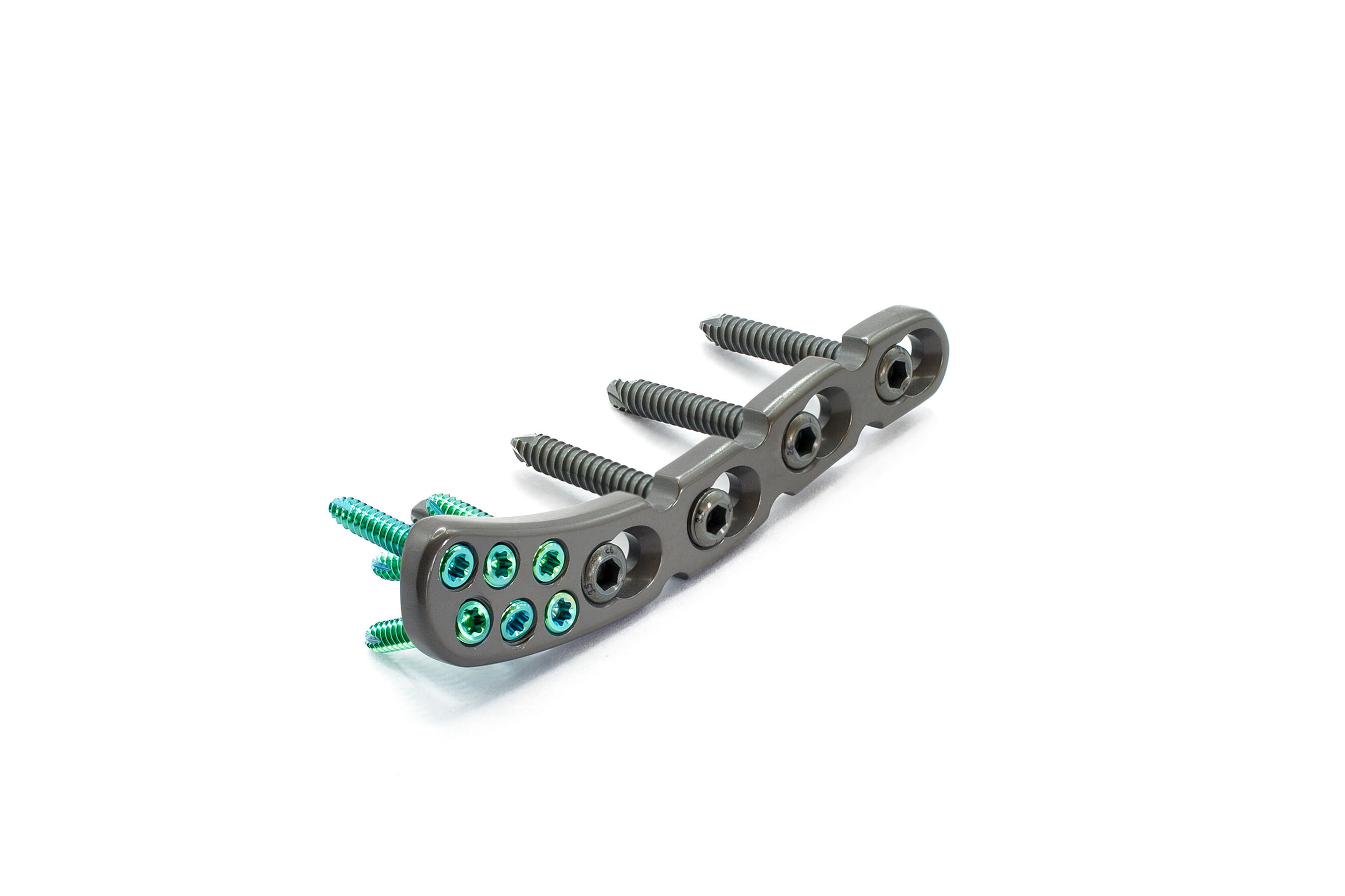
The medical industry requires high precision, durability and biocompatibility for its components. Due to its special characteristics, titanium has been accepted for numerous medical uses, such as surgical instruments and implantable devices. However, the conventional methods of titanium machining are often slow, costly, and inefficient, leading to a wastage of resources, making such techniques exorbitantly priced for medical uses.
Titanium components for medical device manufacturing must meet several important criteria. These parts contain intricate designed shapes, should be sterilizable, and must be produced to a high standard of accuracy. Also, the material has to be biocompatible and able to endure several cycles of sterilization without loss of structural integrity.
The medical device market considers new titanium components in light of new advancements in manufacturing technology to meet the complex and time consuming challenges. Newly developed technologies improve available titanium parts. More than ever, the medical industry is appreciating titanium's advantage, compared to several other metals, such as stainless steel and cobalt-chromium alloys.
Benefits of Using Titanium in Healthcare
Titanium has many benefits that make it desirable for medical purposes. Being just as strong and more corrosion resistance than aluminum alloys and stainless steel, titanium also happens to be lighter. This reduces fatigue for longer surgical procedures and is less exhausting on the surgeons. Because of the greater strength to weight ratio, titanium is especially ideal for surgical tools.
Another important benefit is titanium's biocompatibility. This means titanium triggers far less immune response than other metals. Because of this, titanium is implantable and preferable for other medical uses, especially in orthopedics, for example with joint replacements, dental implants, and bone screws, as it allows for the biological integration of tissues.
Titanium also has the benefit of corrosion resistance. Because of this, medical tools and implants that stay in the body can stand up to all the sterilization and bodily fluids. This is important for titanium's durability in tools that can be used once and for tools that are used multiple times. Additionally, titanium is non-magnetic, which is ideal for any medical tool that is implanted in people, especially those that may later need to have an MRI.
Transforming the Production of Titanium Components
With traditional titanium machining, fabrication typically begins with a solid titanium block. The machinist then uses a combination of milling, turning, and grinding to carve the titanium to the desired geometrical shape. This approach is problematic because of the amount of titanium waste created during machining, and the other expensive and precious metals titanium is often alloyed with. The approach is time-consuming, and there is a potential for machining issues with certain complex designs.
Thanks to advanced engineering and technology, Metal Injection Moulding (MIM) is a Titanium medical component fabrication technology pioneering the industry. MIM technology allows the fabrication of titanium products to be achieved in a single titanium machining operation rather than multiple machining operations. The single operation alternative of machining titanium component has a significant effect on production time and the amount of material waste produced.
The MIM process begins with the mixing of titanium powder with a binder material that is then injected into a mold. Once the titanium part is formed, the binder must be removed, followed by the sintering of the titanium part at extreme temperatures to achieve a final, fully dense component. The end result is a titanium component that is high in precision, and has superior mechanical properties compared to other wrought materials, but with a higher cost, and a greater amount of waste produced during the fabrication process.
Cost Efficiency Through Material Innovation
Over time, the high cost of titanium has consistently hindered its widespread use in medicine. The traditional ways of making titanium products involve heavy wastage of the raw material. Conventional methods of titanium powder production also suffer from wastage since only >50% of the powder produced is usable for majority of the applications .
There has been great advances in powder production technologies whereby wastage is mitigated. One such advancement is the DH-S green environmental titanium alloy powder technology with greater than \>90\% retention of raw materials. This technology has the advantage of been able to take scrap titanium materials which would otherwise be discarded, reclaim and convert to usable high-grade titanium powder.
There is no doubt that these innovations in technology and material would produce phenomenal economic benefits. For instance, production technologies that minimize material wastage has the potential to lower the cost of titanium components by \>60\%-70\% relative to current production technologies. This reduction in cost is pivotal in making titanium available for myriad of medical applications which translates to improved patient care due to availability to titanium based medical devices.
Precision Engineering for Complex Medical Components
Some medical devices have very small components with highly detailed designs which makes it difficult for standard machining processes to work. Components can have very thin walls, complex curves, and specific requirements which can lead to extremely complicated production. In these medical devices, titanium possesses some material properties that can add to the complications.
For complex titanium parts, precision stamping technologies have gained the ability to produce parts sized in millimeters to an accuracy of microns. This accuracy is needed in medical devices such as surgical staplers, small fixation devices, and other parts in implantable drug delivery systems. This process keeps a high level of control over the micro level perfection of the parts dimensional changes and surface finish.
Other than stamping, elite machining systems that have custom tools can also perform to the level of precision required for medical titanium parts. In rigid spindle technologies, high pressure coolants are used to aid in the production of titanium, which is extremely difficult to work with. In these systems, a micro level tolerance can be achieved for the medical device in order to have optimal performance.Properties of Materials for the Medical Field
Every Medical Application requires some specific grade of titanium and its material properties. In the case of implantable devices, the titanium alloy must have a good trade-off among strength, fatigue resistance, and biocompatibility. The titanium alloy with the best properties and, therefore, most common for this type of application is, Ti6Al4V, which, for most surgical applications, gets the job done perfectly.
Innovations in powder production technologies have made it possible to produce titanium powders with oxygen content, flowability, and particle size distributions that can be tailored to suit specific applications. The powder characteristics have a significant influence on component quality, as they affect attributes such as surface finish and mechanical properties. The tight control of these attributes is the key to consistent quality in life-critical applications.
There is a set of specific mechanical properties for titanium components validated through advanced manufacturing that would meet or surpass the standard requirements set for Med Tech devices. For example, titanium alloy powder Ti6Al4V components can have tensile and yield strength of 950Mpa and 850Mpa, respectively, with 15% elongation. This easily surpasses the properties that would be required for most of the applications in the orthopedic and dental fields. Not to mention the biocompatibility that issues with titanium would provide.
Surface Quality and Biocompatibility Considerations
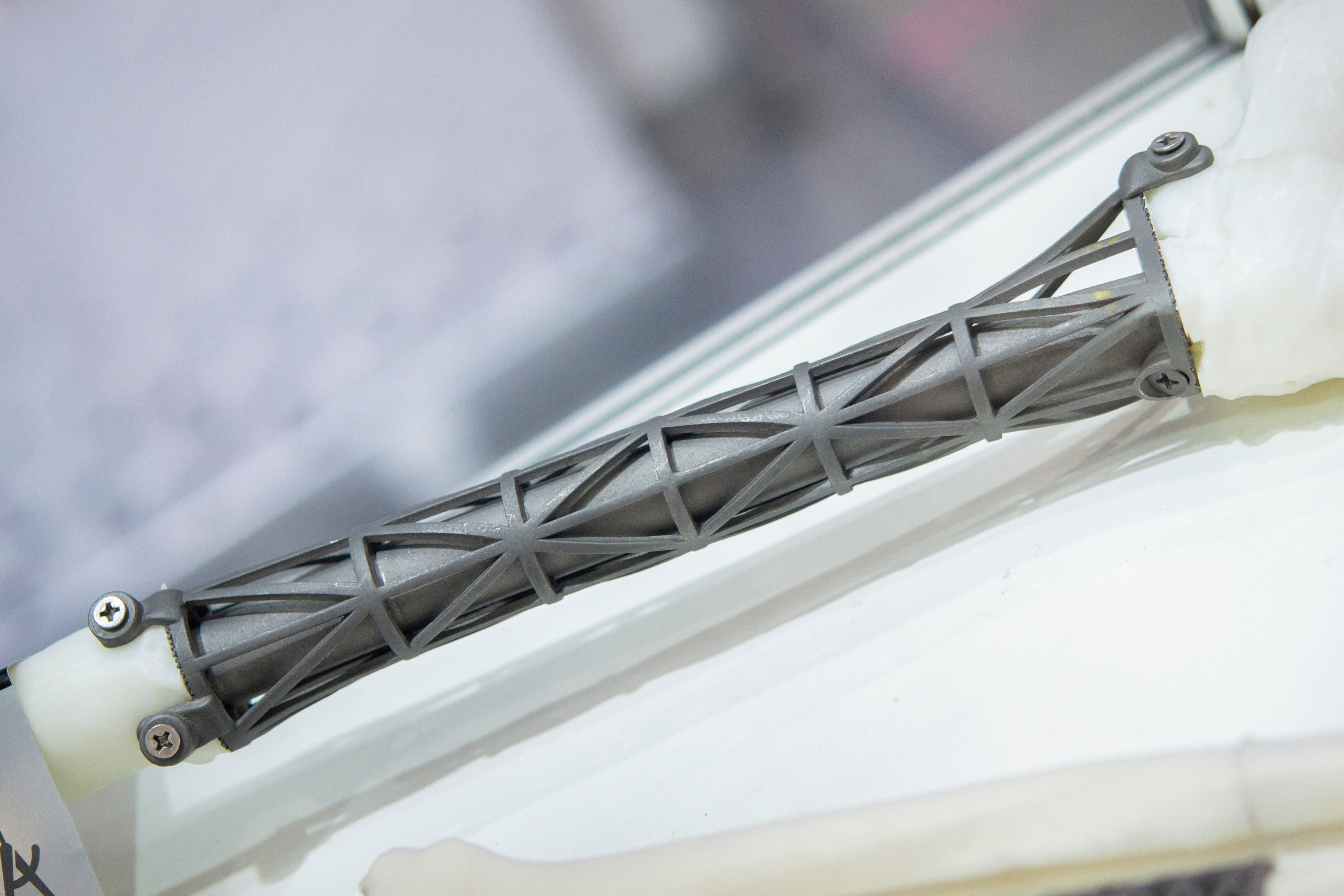
Titanium used in medical components must have a perfect fit and finish. For implantable devices, the surfaces should be designed to facilitate the desired tissue interaction, whether that be the promotion of osseointegration for bone implants, or the reduction of tissue adhesion for devices that move. Consistently, each batch of devices should be able to achieve the desired surface property for a given device.
Titanium has unique properties that most metals do not have, such as a high tendency to work harden, and lower thermal conductivity. Due to these properties, titanium needs custom machining processes. Positive rake angles, and sharp cutting edges of tools used to machine titanium are recommended to ensure a clean cut without excessive heat generation, which can be detrimental to the surface of the material.
Certain medical devices, such as implants which are designed to be in contact with bone, can benefit from specific functional surface textures. Similar to the preservation of surface finish, the roughness of a surface must be controlled, and it can be increased via machining, blasting, or chemical etching processes. It should be noted that smooth surfaces can be detrimental to bone in-growth. Lastly, reproducibility of these surfaces and the texture is necessary to ensure the absence of contaminants which can reduce the efficacy of the healing process.
Sustainable Manufacturing in the Medical Sector
Healthcare, especially the manufacturing of medical devices, now incorporates environmental responsibility into its supply chain. First, the production of titanium products is costly from an environmental standpoint, since titanium production requires a lot of energy and generates a lot of waste. Luckily, newer methods of manufacturing titanium products have improved sustainability.
Closed-loop systems are a game changer for sustainable titanium manufacturing. These systems account for the environmental costs of extracting virgin raw materials by recycling titanium waste in a sustainable manner, and even recycling post-consumer products into new titanium medical parts. There is a lot of environmental sustainability in manufacturing titanium.
Modern strategies in titanium manufacturing are more energy efficient, and therefore move the needle in more sustainable production. Higher efficiency methods utilize energy more efficiently, and therefore waste less energy by having a smaller titanium work piece. These efficiency gain present environmental and economic benefit to the manufacturer.
Quality Assurance for Medical Device Standards
Medical titanium parts have high safety quality certifications and stringent regulatory requirements due to their market segment and expected applications. Medical industry titanium parts manufacturers must have fully documented quality management systems which require certification to ISO 13485 for medical devices. Then, for safety and regulatory compliance, material and process traceability are essential.
Titanium components production facilities are equipped to fully monitor, and document, and/or verify, the completion of all production process steps. CNC coordinate measuring machines, optical comparators, and surface analyzers are used to document that all parts made meet specs and have all required attributes. Also, specific standards compliance for required attributes must be documented. Standards compliance is verified for engineering properties and for microstructure.
For medical titanium components, material certifications, and documented traceability are integral. Reputable manufacturers have and can provide total material documentation that includes retention of composition certification, and of mechanical properties, reports documenting retention of specific mechanical properties. Also, for implantable devices, ISO 10993 biocompatibility testing is standard, because compliance to biocompatibility is required for the material to be safe for use for human implantation.
The Future of Titanium in Medical Device Manufacturing
Over time, with better manufacturing technology, titanium will be used in more medical devices. Cost and better manufacturing technology will continue to make titanium more competitive with traditional materials. This will most likely lead to better patient outcomes with more devices containing titanium.
The goal of most current R&D in titanium manufacturing is to increase the positive material attributes while decreasing negative cost attributes. New titanium alloy formulations offer potential improvements in strength, corrosion resistance, and compatibility with the human body. Process and control improvements to the overall titanium manufacturing workflow are still being advanced at the same time.
The digitalization of titanium manufacturing represents a significant trend. Any advanced simulation, and in some cases machine learning, can be used to optimize manufacturing parameters to reduce cycle time, reduce development time, and guarantee first-pass success. Additionally, comprehensive digital quality management systems contribute to the refinement of the manufacturing process while also ensuring seamless traceability for the medico-technical components.
Table of Contents
- Meeting the Demand for Precision Medical Components
- Benefits of Using Titanium in Healthcare
- Transforming the Production of Titanium Components
- Cost Efficiency Through Material Innovation
- Precision Engineering for Complex Medical Components
- Surface Quality and Biocompatibility Considerations
- Sustainable Manufacturing in the Medical Sector
- Quality Assurance for Medical Device Standards
- The Future of Titanium in Medical Device Manufacturing
