
 EN
EN
If you work in manufacturing or design, you've certainly heard of Grade 5 titanium. Its reputation for being strong, light, and corrosion-resistant is legendary. But what truly makes Ti-6Al-4V, the technical name for Grade 5, the undisputed champion of titanium alloys? It’s the perfect balance. This alloy offers the best combination of mechanical properties, manufacturability, and performance across the widest range of demanding conditions. From the depths of the human body to the vacuum of space, and increasingly, in the high-tech gadgets we use daily, precision-machined Grade 5 titanium is the silent enabler of innovation. Let's dive into the common applications where this material isn't just an option, but the optimal solution.
The Critical Role in Medical Implants and Instruments
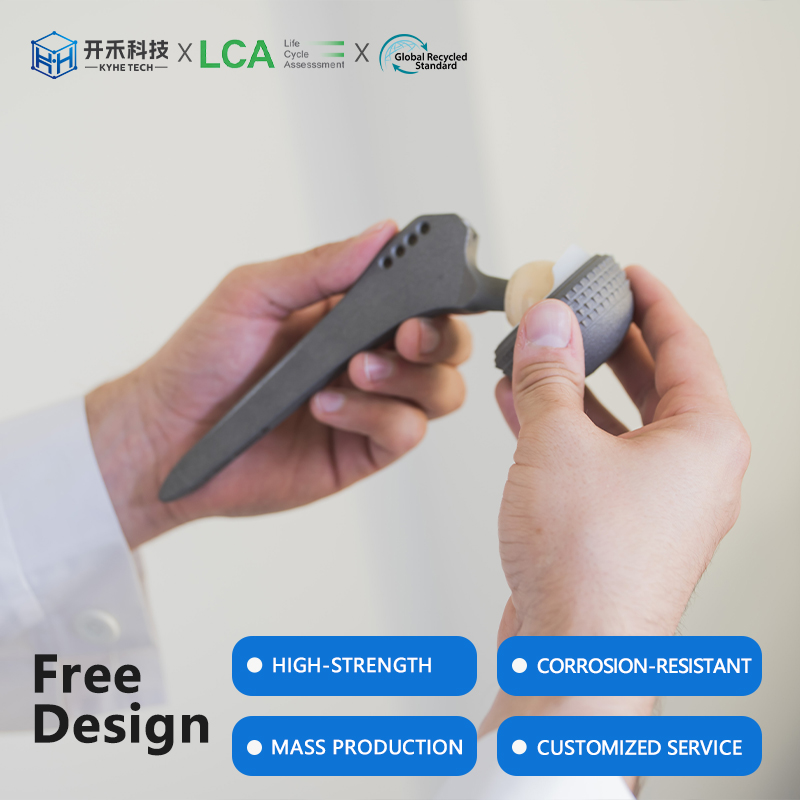
The medical industry’s reliance on Grade 5 titanium is rooted in a non-negotiable trifecta: biocompatibility, strength, and corrosion resistance. The human body is a challenging environment, and implant materials must perform flawlessly for decades. Grade 5 titanium’s biocompatibility minimizes the risk of adverse reactions, allowing it to integrate reliably with bone and tissue. This makes it the premier choice for load-bearing orthopedic implants such as spinal fusion cages, hip and knee joint replacements, and bone plates and screws. These components are not simple shapes; they require intricate geometries and often porous surfaces to promote osseointegration—the process where bone grows into the implant. This is where advanced manufacturing methods like Metal Injection Molding (MIM) shine. MIM allows for the cost-effective mass production of these complex, net-shape parts with high precision and excellent surface finish, reducing waste and secondary machining.
Beyond implants, surgical instruments, especially for minimally invasive procedures, benefit immensely. The alloy's strength allows for the creation of incredibly slim yet rigid tools that can withstand repeated sterilization. For companies specializing in advanced titanium solutions, the ability to supply consistent, high-purity Grade 5 titanium powder, such as the GRS-certified recycled powder, is crucial. It ensures that medical device manufacturers receive a material that meets stringent regulatory standards for clean, safe, and reliable performance, enabling the next generation of life-saving devices.
Enabling Lightweighting and Performance in Aerospace
In aerospace, every kilogram saved translates directly into enhanced fuel efficiency, greater payload capacity, and extended range. Grade 5 titanium’s exceptional strength-to-weight ratio makes it indispensable. It is extensively used in critical airframe components like landing gear, wing attachments, and fuselage parts, where its high tensile strength and fatigue resistance are vital for safety under dynamic loads. Within jet engines, it withstands the high temperatures and stresses found in compressor blades, discs, and casings.
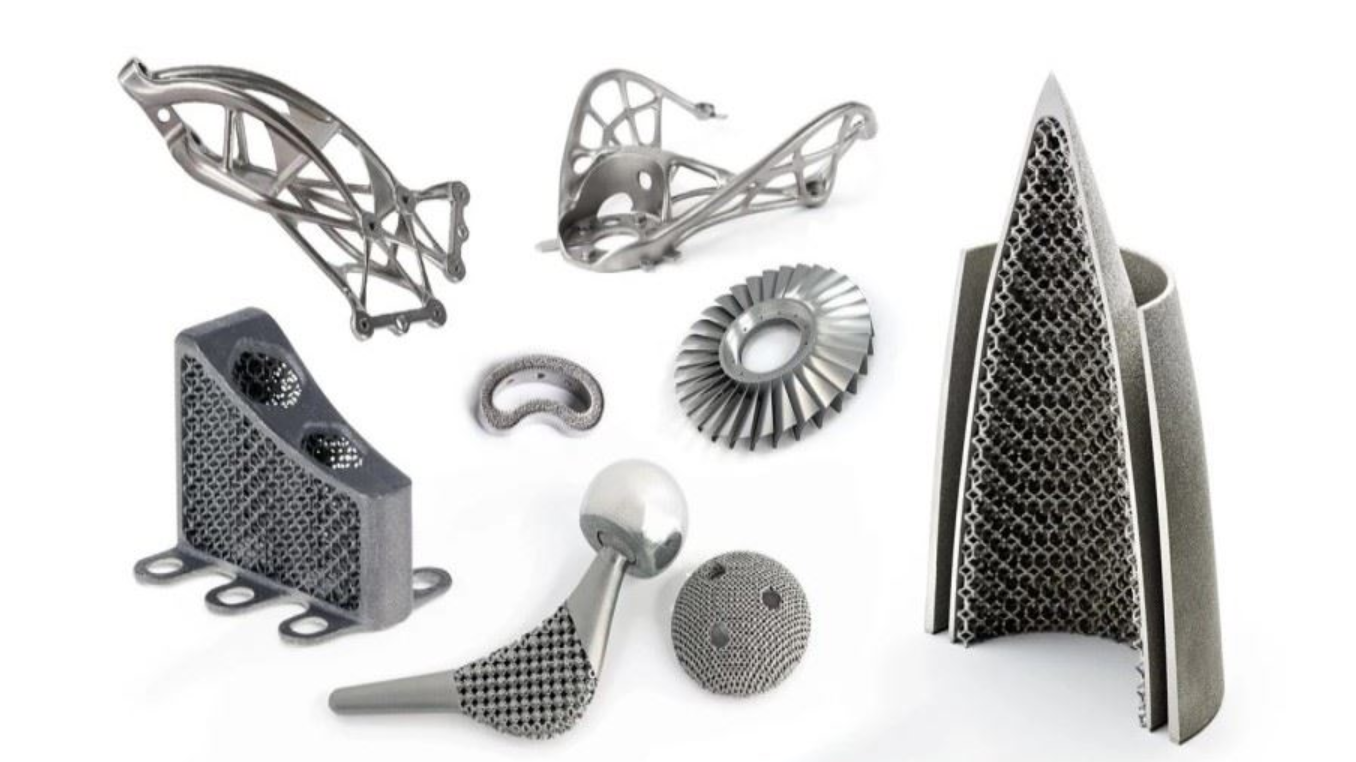
The transition to more efficient aircraft designs and next-generation spacecraft relies on materials that perform in extreme environments. Precision machining of Grade 5 titanium is essential here, but newer technologies are augmenting its potential. The combination of high-performance spherical titanium powder with 3D printing enables the production of complex, topology-optimized parts that are impossible to machine from a solid block. These parts consolidate multiple components into one, reducing weight and potential failure points. For industry suppliers, the capability to offer a full-spectrum solution—from advanced powder feedstock to final precision part—provides immense value to aerospace engineers pushing the boundaries of design.
Revolutionizing Consumer Electronics and Wearables
The demand for premium, durable, and lightweight consumer electronics has propelled Grade 5 titanium from industrial applications into our daily lives. In the 3C sector (computers, communications, consumer electronics), titanium is the material of choice for high-end smartwatch cases, premium smartphone frames and hinges, and lightweight yet rugged laptop chassis. Its strength allows for thinner, sleeker designs without compromising durability, while its natural hypoallergenic property and premium feel enhance the user experience.
The challenge for widespread adoption in consumer goods has historically been cost and complex machining. This barrier is being dismantled by innovative manufacturing approaches. MIM, for instance, is a game-changer for producing high volumes of small, intricate parts like watch clasps, camera rings, or hinge components at a fraction of the cost of CNC machining, and with minimal material waste. By utilizing specialized, flow-optimized titanium feedstock, manufacturers can achieve high-density, high-strength final parts that meet the aesthetic and functional demands of the brand-conscious consumer market. This opens the door for titanium to move beyond luxury niches into broader high-performance applications.
Driving Innovation in Automotive Engineering
The automotive industry’s relentless pursuit of efficiency, performance, and sustainability has found a powerful ally in Grade 5 titanium. While long used in high-performance racing components like connecting rods and valve springs, its application is expanding with the rise of electric and hybrid vehicles. The need to offset the weight of heavy battery packs makes lightweighting a top priority. Titanium components in powertrain mounts, suspension systems, and brake calipers contribute significantly to this goal, enhancing handling and efficiency.
Moreover, as vehicles incorporate more advanced sensors and electronic systems, the need for reliable, corrosion-resistant enclosures and structural parts grows. The inherent durability of Grade 5 titanium ensures longevity even in harsh environments. The economic feasibility of using titanium in automotive has been bolstered by technological advancements that dramatically reduce production costs. For example, proprietary processes that enable high recycling rates of titanium alloy waste can cut powder costs significantly, making titanium a more competitive alternative to traditional materials for critical, performance-enhancing components.

Providing Robust Solutions for Industrial Hardware
In demanding industrial environments, equipment failure is not an option. Grade 5 titanium provides unparalleled solutions for hardware that must endure constant stress, corrosion, and wear. This includes high-performance fasteners and fittings for chemical processing plants, marine applications, and offshore oil and gas platforms, where saltwater and corrosive chemicals quickly degrade lesser metals. Its use in precision instruments, robotic arm components, and specialized valving ensures reliability and long service life, reducing downtime and maintenance costs.
The ability to manufacture these often-complex industrial parts efficiently is key. Technologies like MIM and 3D printing allow for the production of robust, near-net-shape components with complex internal features or customized geometries. For global suppliers, offering a complete one-stop solution—from material development and prototyping to mass production—empowers industrial designers to specify Grade 5 titanium with confidence, knowing they have a partner capable of delivering both the material and the manufacturing expertise for their most challenging applications.
The Manufacturing Edge: MIM and 3D Printing
The true potential of Grade 5 titanium is unlocked not just by its properties, but by how it is shaped. Traditional subtractive machining, while precise, can be wasteful and costly for complex parts. This is where Metal Injection Molding (MIM) and Additive Manufacturing (3D Printing) become transformative.
MIM is ideal for the high-volume production of small, intricate, and high-strength components. It involves mixing fine titanium powder with a binder, injecting it into a mold, and then using a thermal process to remove the binder and sinter the part to near-full density. This process achieves material utilization rates exceeding 95%, a stark contrast to machining, and brings economies of scale to titanium part production. The availability of high-quality, spherical, and consistent titanium powder is the foundation of successful MIM.
3D printing, or additive manufacturing, offers unparalleled design freedom. It allows for the creation of lightweight, organic lattice structures and internal cooling channels that are impossible to machine, perfect for aerospace brackets or customized medical implants. The synergy between advanced material science—such as developing eco-friendly, recycled titanium powders that maintain high performance—and these digital manufacturing techniques is setting a new standard. It enables a more sustainable lifecycle for titanium components, from powder to product and back again, aligning with the goals of forward-thinking industries.
Conclusion
Grade 5 titanium is far more than a material defined by a datasheet. It is a foundational enabler across the most advanced sectors of modern engineering. Its journey from a specialized aerospace alloy to a key material in medical, consumer, automotive, and industrial applications is a testament to its unmatched properties. Today, this journey is accelerated by revolutionary manufacturing techniques like MIM and 3D printing, and further empowered by supply chain innovations that improve cost-effectiveness and sustainability. For designers and engineers, understanding the full spectrum of applications and the advanced methods for working with Grade 5 titanium is essential for creating the next generation of lighter, stronger, and more intelligent products. The future of precision engineering is being built, in no small part, upon the reliable and versatile foundation of Grade 5 titanium.
