
 EN
EN
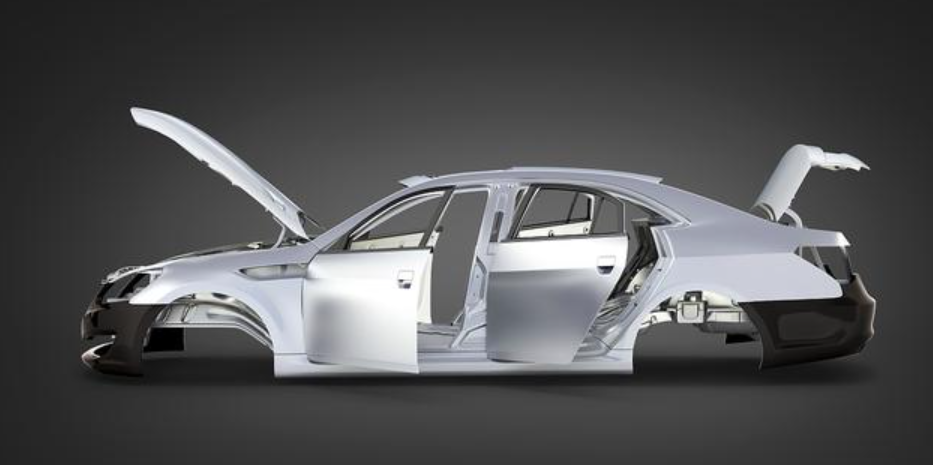
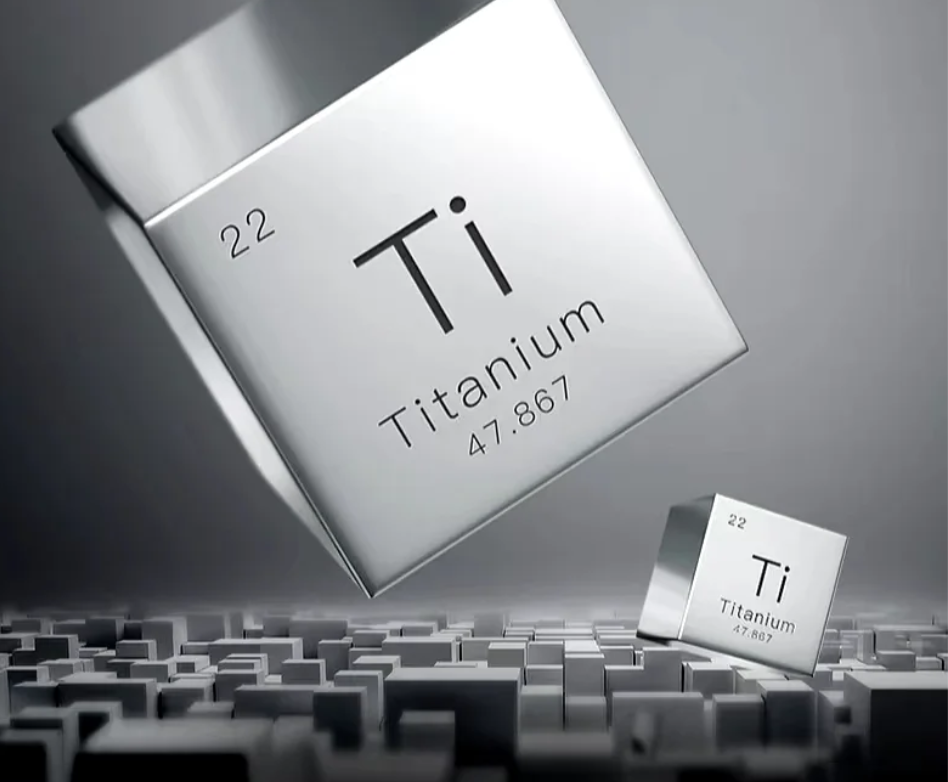
If you follow the world of high performance cars or motorsports, you know that every single part matters. Engineers spend countless hours shaving off grams, chasing more power, and trying to make things last longer under brutal conditions. In that world, materials are everything. And one material keeps showing up again and again. Ti64. This titanium alloy has become a favorite for components that have to be light, strong, and tough enough to handle the heat. Let me break down why that is.
When you push a car to its limits, things get extreme. Engine bays get hot enough to cook metal. Suspension parts take hits that would bend regular steel. Rotating components spin at speeds that would tear lesser materials apart. Ti64 handles all of that without breaking a sweat. It brings together a set of properties that most metals just cannot match. And that is exactly what racing teams and performance car builders are looking for.
The Weight Game And Why It Matters So Much
Everybody knows that lighter is faster. That is not exactly news. But what people sometimes miss is just how big a difference weight makes. Shave a pound off a rotating part, and it feels like shaving ten pounds off the chassis. Less weight means faster acceleration, better braking, and sharper handling. It means less stress on every component downstream. In racing, weight is the enemy.
Ti64 has a density that is roughly half of steel. That alone makes it attractive. But the real magic is that it does not sacrifice strength to get that weight down. You can make a part out of Ti64 that is just as strong as a steel part but weighs significantly less. Or you can make it even stronger at the same weight. That flexibility gives engineers room to play. They can tune the design to hit exactly the performance targets they need.
Companies like KYHE working with titanium alloy powders understand this balance. They see how the right material opens up design possibilities that heavier metals simply cannot support. When you start with a clean, consistent powder, you can push the limits of what is possible.
Strength That Holds Up When Things Get Hot
Here is the thing about racing. It gets hot. Brakes glow red. Exhaust pipes run at temperatures that would melt aluminum. Engine components live in a constant bath of heat and stress. Most materials weaken as the temperature climbs. Ti64 does not fold so easily.
This alloy keeps its strength at temperatures where other lightweight materials would start to creep or lose their temper. That is why you see it in connecting rods, valves, and turbocharger parts. Those components take a beating. They see high cycle fatigue, thermal stress, and mechanical loads that would snap lesser materials. Ti64 takes it and asks for more.
The secret is in the microstructure. The alloy is designed to stay stable even when things get hot. That stability means parts hold their shape. They keep their tolerances. They do not wear out before the race is over.
Corrosion Resistance That Keeps Parts Looking And Working Like New
Another angle that does not always get enough attention is corrosion. Race cars live in a harsh environment. They sit in trailers. They get rained on. They pick up road salt and brake dust and all kinds of nasty chemicals. Steel rusts. Aluminum corrodes. But Ti64 just sits there and takes it.
The same oxide layer that makes this alloy so good for medical implants also protects it in automotive use. That thin layer of titanium dioxide seals the surface. It keeps oxygen and moisture from getting to the metal underneath. So parts made from Ti64 do not rust. They do not pit. They look good and work well for years.
That matters for performance too. Corrosion can change surface finishes. It can create stress risers where cracks start. Keeping the surface clean and stable means the part keeps doing its job the way it was designed to.
Fatigue Life And The Ability To Take Repeated Punishment
If you have ever watched a race, you know that parts get hammered. Every lap puts new stress on every component. Suspension arms cycle up and down thousands of times. Crankshafts spin millions of revolutions. Gears mesh and unmesh with every shift. Over time, that repeated loading can cause cracks to start and grow. That is fatigue. And it is the enemy of every moving part.
Ti64 has excellent fatigue resistance. It can handle millions of cycles without giving up. That is partly due to its strength and partly due to its cleanliness. When the material is free of inclusions and defects, there are fewer places for cracks to start. That is why the quality of the starting material matters so much. Clean powder makes clean parts. Clean parts last longer.
KYHE focuses on delivering that kind of quality. Their work with titanium alloy powders ensures that manufacturers have a reliable starting point. From there, they can build parts that survive the toughest conditions.
How Modern Manufacturing Opens New Doors
Speaking of manufacturing, things have changed a lot in recent years. Techniques like metal injection molding and 3D printing have completely changed what is possible with Ti64. In the past, machining complex shapes out of solid titanium was expensive and wasteful. You would cut away most of the material to get the shape you wanted. It took forever and cost a fortune.
Now, you can print parts directly. You can build shapes that were impossible to machine. You can create internal cavities, lattice structures, and organic forms that save weight without sacrificing strength. And because you are only putting material where you need it, there is very little waste.
That is huge for racing and high performance cars. It means you can prototype new designs quickly. You can test them, tweak them, and try again without breaking the bank. It means you can make small batches of custom parts that are tailored to a specific car or a specific driver. The flexibility is game changing.
MIM also plays a role here. For high volume production of smaller, complex parts, it offers a way to get consistent quality at a reasonable cost. The combination of these technologies means that Ti64 is no longer just for exotic prototypes. It is becoming practical for real world production.
The Cost Factor And Why It Is Becoming Less Of A Barrier
Speaking of cost, let us address the elephant in the room. Titanium has a reputation for being expensive. And honestly, that reputation is not totally wrong. Compared to steel or aluminum, Ti64 costs more. But the gap is closing.
New processing methods are driving costs down. Better powder production techniques mean less waste and lower energy use. Recycling programs mean that scrap can be turned back into usable material instead of ending up in a landfill. And when you factor in the performance benefits, the cost equation starts to look a lot more attractive.
If a Ti64 part lets you shave ten pounds off a rotating assembly, and that weight saving translates into faster lap times, the cost is easy to justify. If it lasts longer than a steel part and never rusts, the lifetime cost goes down. You have to look at the whole picture, not just the upfront price tag.
KYHE is part of that shift. Their focus on eco friendly processes and recycled materials helps bring costs down without sacrificing quality. They are making it easier for automotive engineers to spec Ti64 without blowing their budgets.
Where You Actually See Ti64 In Cars And Race Vehicles
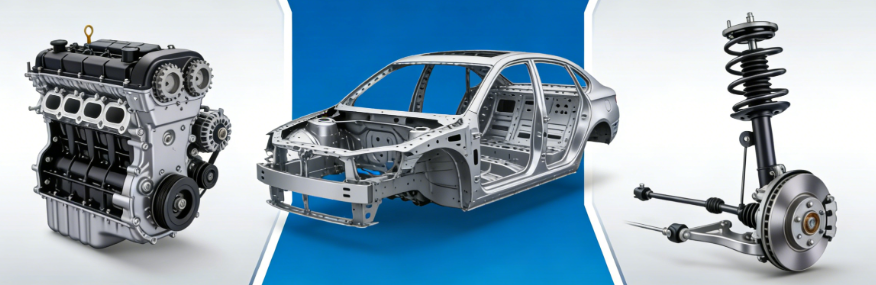
Let us get specific for a minute. Where does this stuff actually show up? In engines, you find it in valves, retainers, connecting rods, and sometimes even wrist pins. These parts move fast and get hot. Ti64 handles both.
In the drivetrain, you see it in gears, shift forks, and driveshafts. These parts take torque and shock loads. They need to be strong but also light enough to keep rotating masses down.
In suspension and chassis components, you find it in pushrods, rocker arms, and uprights. These parts have to be stiff but not heavy. They affect how the car handles and how quickly it responds to driver inputs.
And in exhaust systems, you see it in tips, mufflers, and sometimes whole systems. It handles the heat, resists corrosion, and looks good doing it.
Each of these applications plays to the strengths of Ti64. The material fits because it was designed for exactly this kind of work.
The Sustainability Piece That Matters More Every Year
There is one more factor that is becoming harder to ignore. Sustainability. The automotive world is under pressure to clean up its act. That includes how cars are built, not just how they run.
Using recycled materials is a big part of that. When you make Ti64 from recycled scrap instead of virgin ore, you save a huge amount of energy. You cut down on mining. You reduce waste. And if the quality is the same, there is really no downside.
KYHE is certified for recycled content. That matters for manufacturers who are trying to green up their supply chains. It means they can spec Ti64 and still hit their sustainability targets. They do not have to choose between performance and responsibility.

Why It All Comes Together In Ti64
At the end of the day, Ti64 is the choice for high performance automotive and racing components because it delivers on every front. It is light. It is strong. It handles heat. It resists corrosion. It lasts. And now, with better manufacturing and more sustainable sourcing, it is becoming more accessible than ever.
Engineers have been using this alloy for decades because it works. New technology is only making it better. And as the demand for performance keeps growing, Ti64 is going to keep showing up in the places that matter most.
Table of Contents
- The Weight Game And Why It Matters So Much
- Strength That Holds Up When Things Get Hot
- Corrosion Resistance That Keeps Parts Looking And Working Like New
- Fatigue Life And The Ability To Take Repeated Punishment
- How Modern Manufacturing Opens New Doors
- The Cost Factor And Why It Is Becoming Less Of A Barrier
- Where You Actually See Ti64 In Cars And Race Vehicles
- The Sustainability Piece That Matters More Every Year
- Why It All Comes Together In Ti64
