
 EN
EN
If you have ever looked into what goes into making a replacement hip, a sturdy bone screw, or a spinal implant, you have probably run into the term Ti64. This titanium alloy is everywhere in the medical world. But there is a reason for that. It is not just strong or light. It does something that most metals simply cannot do. It makes friends with the human body. It does not cause fights with the immune system, and it actually lets bone grow right onto its surface. That combination is rare. That is why Ti64 has become the gold standard for orthopedic implants.
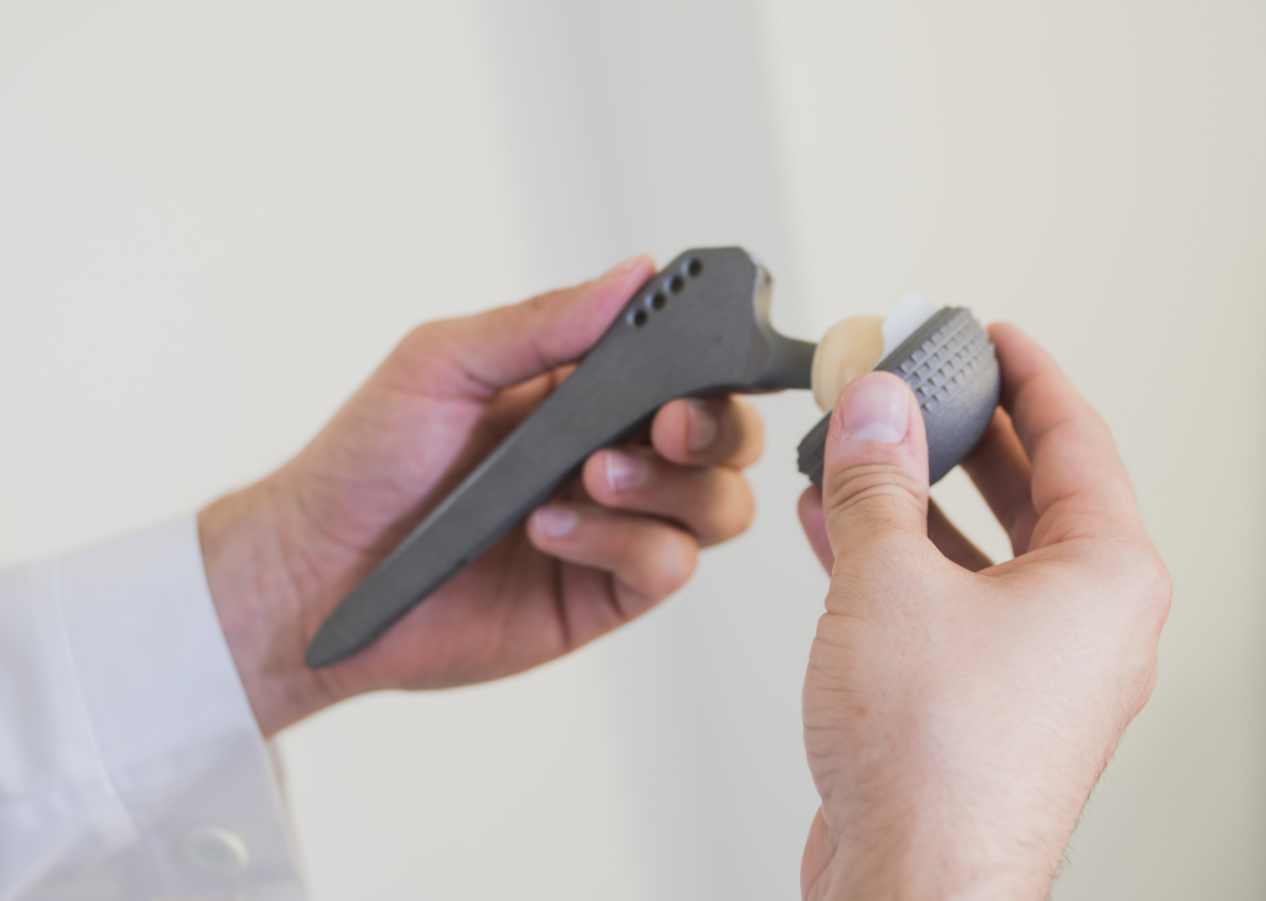
To really get why this material works so well, you have to look at what happens when it goes inside a living person. The body is a harsh place. It is warm, salty, and full of aggressive chemistry. Put the wrong material in there, and the body will attack it, wall it off, or reject it entirely. But Ti64 slides in and sets up a quiet, stable partnership. Let us walk through how that happens.
The Instant Protection Layer That Kicks In
The moment a Ti64 implant touches air or fluid, something interesting happens. The titanium in the alloy reacts with oxygen. It forms a super thin layer of titanium dioxide on the surface. This layer is incredibly stable. It is also very tough and sticks tightly to the metal underneath. Think of it like a built in shield that forms automatically. You do not have to paint it on or treat it specially. It just happens.
This oxide layer is the reason Ti64 does not corrode inside the body. Many metals will slowly break down when exposed to bodily fluids. They release ions into the surrounding tissue. Those ions can cause inflammation or trigger allergic reactions. But the oxide layer on Ti64 seals everything in. It keeps the metal from leaking. It keeps the chemistry stable. And because titanium dioxide is biologically inert, the immune system does not see it as a threat. It just leaves it alone. That is the first big win for Ti64. It passes the biocompatibility test before the body even knows what hit it.
Companies like KYHE that specialize in titanium alloy powders understand how critical this surface stability is. When you start with high quality, clean powder, the resulting implant has a consistent structure. That consistency means the oxide layer forms evenly. There are no weak spots. No hidden defects. The whole surface does its job the way it should.
How Bone Cells Actually Grab Onto Metal
Okay, so the body tolerates the implant. That is step one. But for an orthopedic implant to really work, it needs to do more than just sit there quietly. It needs to hold tight. It needs to become part of the skeleton. That is where osseointegration comes in. And this is where Ti64 really earns its reputation.
That oxide layer we just talked about? It does not just protect. It also interacts. In the wet environment of the body, the surface becomes hydrated. It forms hydroxyl groups. These groups act like little magnets for proteins floating around in the blood. Proteins land on the surface and create a sort of biological glue. Bone cells, called osteoblasts, come along, see that protein layer, and decide to settle down. They start laying down new bone matrix right on the implant. Over time, that matrix hardens into real, living bone. The bone and the metal become one solid unit. You cannot pull them apart without tearing the bone itself. That is osseointegration in action. And it happens reliably with Ti64 because of that friendly oxide surface.
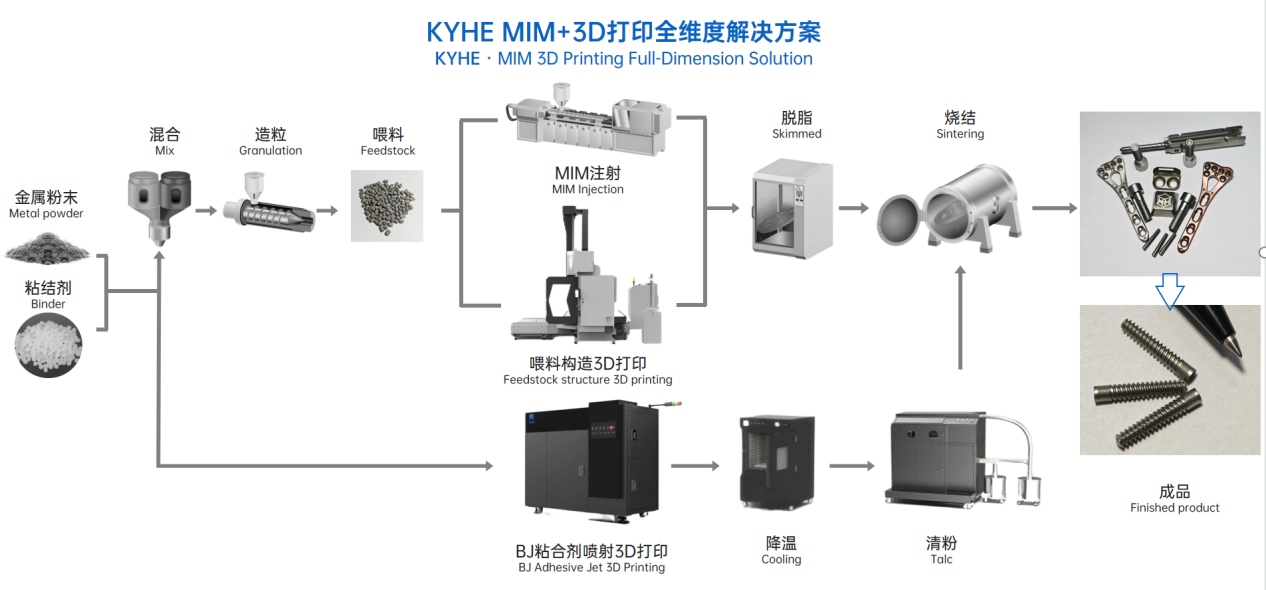
The purity of the material plays a role here too. When KYHE processes titanium alloy powders using methods like metal injection molding or 3D printing, the goal is always to deliver a clean, consistent product. Impurities can interfere with that protein bonding step. A clean surface gives the body the best possible chance to do its thing.
The Stiffness Factor And Why Flexibility Matters
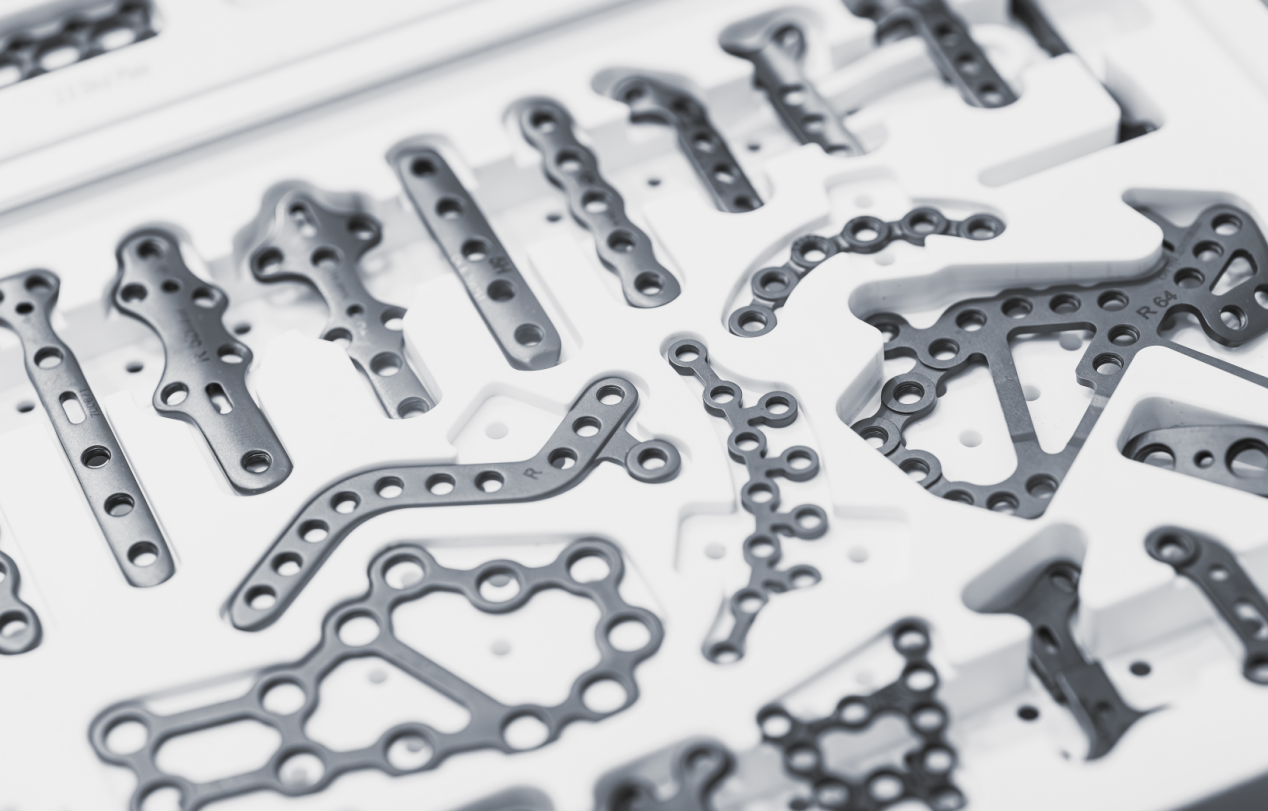
Now, there is another angle to this story that people often miss. It is about stiffness. Ti64 is strong, yes. But compared to other metals used in implants, like stainless steel or cobalt chrome, it is actually quite flexible. That might sound like a weakness, but in the body, it is a huge strength.
Bone is alive. It responds to the loads placed on it. When you walk or lift, your bones bend just a little. That bending stimulates the bone cells to keep the bone strong and healthy. If you put a super stiff metal implant next to the bone, something bad happens. The implant takes all the weight. The bone next to it feels less stress. And when bone does not feel stress, it thinks it is not needed. It starts to break down and get weaker. That is called stress shielding. It can cause the implant to loosen over time.
Because Ti64 is less stiff, it shares the load more evenly with the bone. The bone stays stimulated. It stays healthy. That mechanical match between Ti64 and natural bone is a huge part of why these implants last so long. It is not just about chemistry. It is about physics too. Engineers designing medical parts pay close attention to this balance. They want the implant to do its job without stealing all the work from the bone.
Surface Texture And The Push For Better Bonding
Here is something else that matters. The surface of an implant is not perfectly smooth under a microscope. And that is a good thing. A little roughness gives bone cells something to grab onto. Manufacturers have gotten very good at controlling that texture. They can create surfaces with tiny pits, grooves, or even porous layers that mimic the structure of real bone.
When you combine that textured surface with the natural oxide layer of Ti64, you get a surface that bone cells absolutely love. They can sink into the pores. They can wrap around the features. The bond becomes mechanical as well as chemical. And because Ti64 is strong even when made porous, you can design implants that are lightweight on the inside but still rock solid where they need to be.
This is where modern manufacturing really shines. With technologies like 3D printing, you can build porous structures that were impossible to make with older methods. You can tailor the surface exactly to what the bone needs. And when you start with high quality powder, those printed parts come out right every time.
Why Titanium Alloy Purity And Processing Matter
Not all Ti64 is exactly the same. The way the alloy is made can affect how well it performs in the body. Things like powder quality, processing temperatures, and how the final implant is finished all play a role. If there are impurities or defects in the material, they can weaken the oxide layer or create spots where corrosion might start.
That is why companies that specialize in titanium alloys put so much effort into controlling their processes. They want every batch to be consistent. They want the material to be clean and pure. When you are making something that goes inside a person, you cannot afford to cut corners. The quality of the starting material matters. The manufacturing method matters. And when it is done right, the result is an implant that the body accepts without question.
KYHE focuses on exactly this kind of control. Their work with recycled materials and advanced processing is about more than just saving costs. It is about delivering a reliable product that surgeons can trust. When the powder is right, the implant is right.
Real World Performance In Load Bearing Situations
When you put all of this together, you start to see why Ti64 has been the workhorse of orthopedics for decades. It handles the mechanical demands of weight bearing. It does not set off alarms in the immune system. It allows bone to grow right onto it. And it flexes just enough to keep the surrounding bone healthy.
Think about a hip replacement. That implant has to support hundreds of pounds of force, every single day, for years. It has to survive millions of cycles of walking, running, and climbing stairs. And it has to do all of that while staying firmly attached to the bone. Ti64 does that. It has a track record. Surgeons trust it. Patients do well with it. And that real world success is the best proof of all.
Looking At How Modern Manufacturing Enhances Performance
These days, manufacturing techniques like metal injection molding and 3D printing are opening up new possibilities. They allow engineers to create shapes that were impossible to make with traditional machining. You can build implants with complex internal structures that match the stiffness of bone even more closely. You can create surfaces with controlled porosity that encourage even faster bone growth.
Companies working with Ti64 powders are at the front of this movement. They are finding ways to make implants that are not only biocompatible but also custom fit to the patient. The material itself is proven. Now the focus is on shaping it in smarter ways to get even better results.
KYHE brings this kind of innovation to the table. By combining their expertise in titanium alloy powders with advanced manufacturing methods, they are helping to push the field forward. The goal is always the same. Make implants that work better and last longer.
The Sustainability Angle That Matters More Now
There is one more piece to this puzzle that is worth mentioning. As the medical field grows, so does the demand for materials. Making titanium from scratch takes a lot of energy. It has a big environmental footprint. That is why recycled materials are becoming more important.
Using recycled titanium alloy powders to make medical implants is a smart move. It cuts down on waste. It saves energy. And when it is done right, the quality is just as good as virgin material. The performance inside the body is the same. The oxide layer forms the same way. The bone bonds just as well. But the environmental cost is much lower.
KYHE is part of this shift. With their focus on eco friendly processes and recycled materials, they are showing that you can have both quality and sustainability. That matters for the planet. And it matters for an industry that is only going to keep growing.
Why This All Adds Up To A Winning Material
At the end of the day, Ti64 works because it checks every box. It is strong enough to do the job. It is corrosion resistant in the harsh environment of the body. It forms a protective oxide layer that the immune system ignores. It encourages bone to grow onto its surface. And it bends enough to keep the bone around it from wasting away.
That is a rare combination. Other materials might have one or two of these properties, but Ti64 has all of them. That is why it has been the top choice for orthopedic implants for so long. And with new manufacturing methods and a growing focus on sustainable sourcing, it is probably going to stay that way for a long time to come.
Table of Contents
- The Instant Protection Layer That Kicks In
- How Bone Cells Actually Grab Onto Metal
- The Stiffness Factor And Why Flexibility Matters
- Surface Texture And The Push For Better Bonding
- Why Titanium Alloy Purity And Processing Matter
- Real World Performance In Load Bearing Situations
- Looking At How Modern Manufacturing Enhances Performance
- The Sustainability Angle That Matters More Now
- Why This All Adds Up To A Winning Material
