 EN
EN
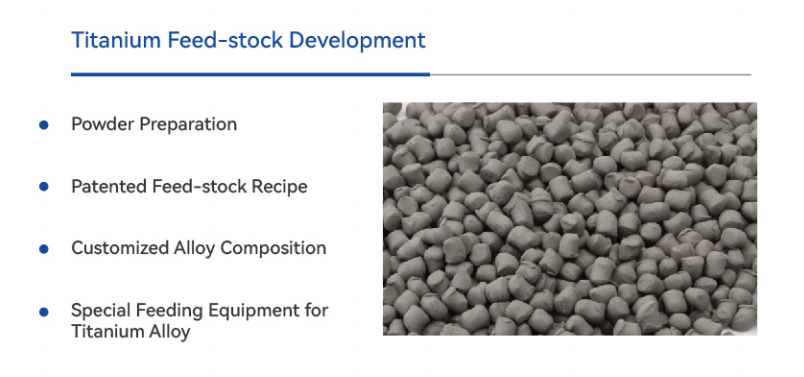
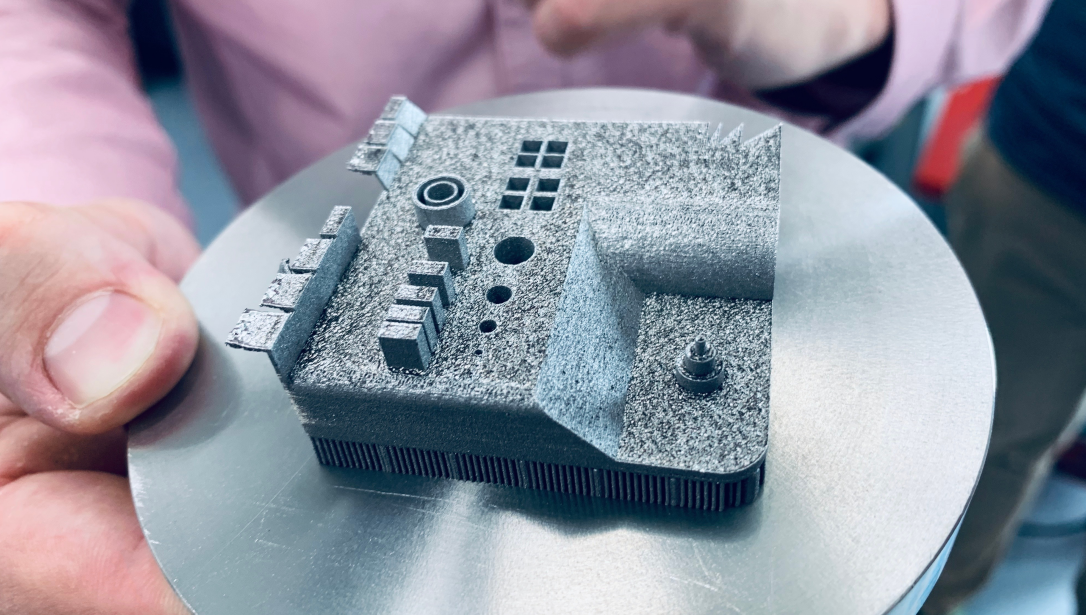
The discussion about quality of 3D printed or metal injection molded titanium parts centers on printer settings, laser settings, or the sintering cycle. However, there is a more fundamental factor that determines everything else: the powder particle shape, or powder morphology. It is the starting point that influences everything else. Imagine baking bread. Even if you have the best oven, you will not achieve a consistent quality cut with flour that is clumpy and irregular. The same goes for producing parts with titanium powder, the powder morphologies of tiny particles have a strong and durable influence on the part and the quality of the surface.
Examining Powder Morphology
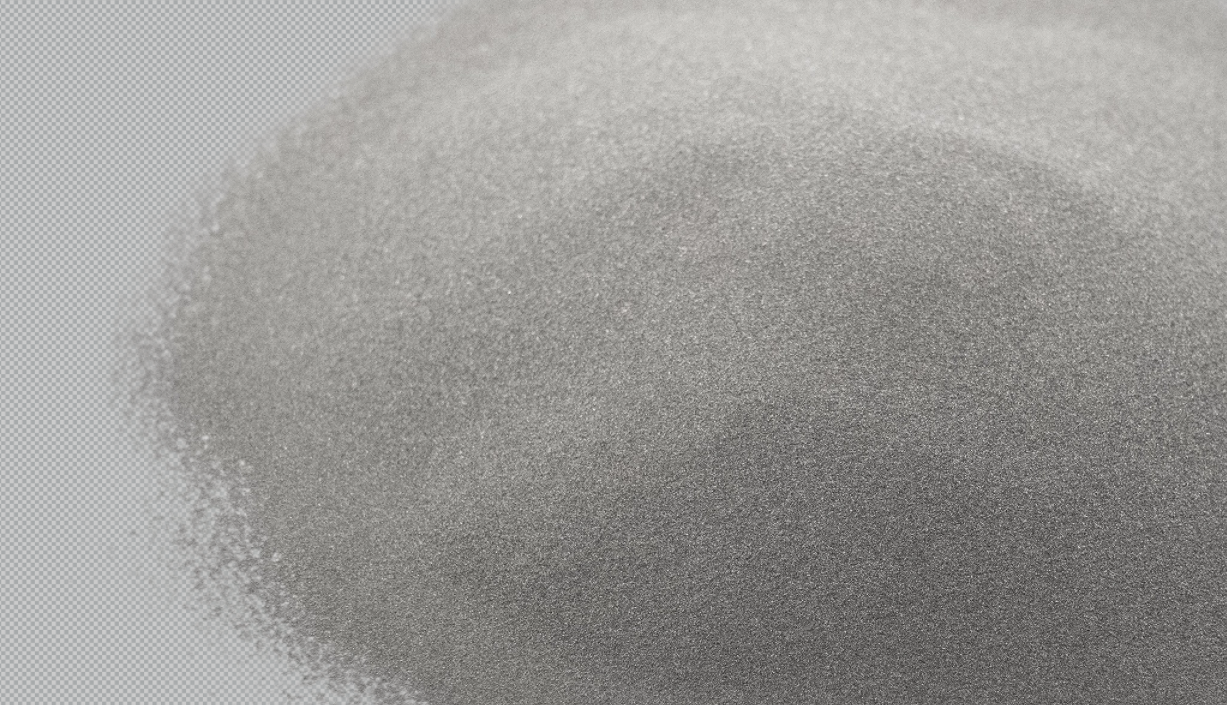
When talking about powder morphology, we are referring to a combination of multiple attributes of a powder particle's characteristics. Some of the major attributes include:
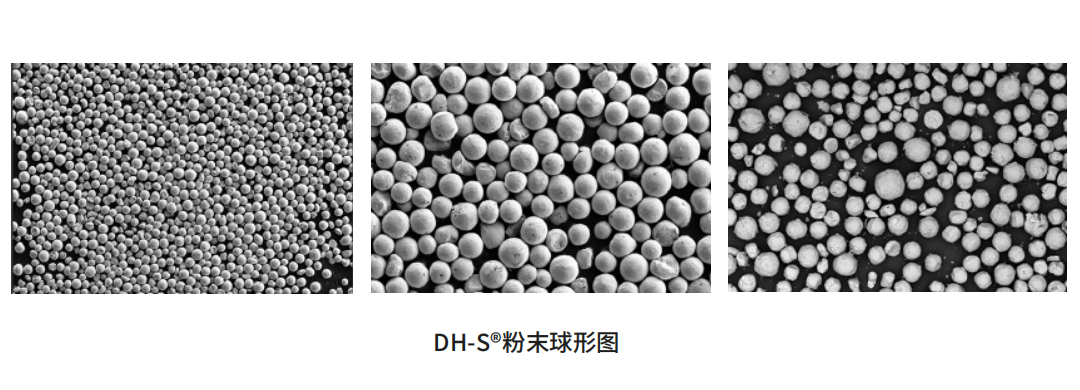
Particle Shape (Sphericity): Are the powder particles perfect spheres, or potato-shaped (irregular), or somewhere in between?
Surface Texture: Are each of the powder particle's surfaces smooth, or are they rough and porous?
Internal Porosity: Is the particle contain internal void(s) or some internal micro-structure?
There are methods to determine the above attributes depending on the powder production methods. For the high-performance applications in the aerospace, medical, and automotive industries, the methods of choice are gas atomization and plasma-based spheroidization (for instance, the DH-S® process). These processes are designed and optimized to manufacture powders that are intentionally very spherical and very smooth, which is a deliberate selection for high-performance and not accidental.
The Direct Correlation Between Powder Morphology and Final Metal Structure
The process of going from a powder bed to a final solid, dense metal part involves melting and fusion. Morphology of the powder particles determines how the powder particles arrange themselves and how the melting and fusion processes take place.
The Dominance of Sphericity
There is a very obvious reason to use spherical shape particles, they behave like tiny ball bearings, and their movement is frictionless. This results in their excellent flowability, which promotes the formation of a uniform and dense powder bed, under situations like Laser Powder Bed Fusion (LPBF). When freshly built powder beds are comprised of equally sized spherical particles, and there is a uniform distribution of a dense powder bed, the level of consistency at which the powder is melted is increased. This means there is a reduction in the amount of internal porosity within finished parts. There is only one enemy of the metallurgy and of the functional performances of the components that internal porosity exists in, and that is the measureable air voids that are trapped in the metallic structure of the components. The voids function at weak points where cracks are initiated, and denser structures improve mechanical characteristics. Maximizing sphericity directly reduces porosity, which results in improved tensile strength, fatigue resistance, and overall predictability of performance under structural loads. Powders that are irregular in shape, on the other hand, pack poorly and produce more voids that ultimately become defects in the components that are produced.
Impact of Surface and Structure
The surfaces of powder particles and the characteristics of powder particles themselves, such as internal porosity, also influence the melting of powder particles. Engulfed gas and impurities can result in small defects during melting, while some powder particle production techniques can cause the creation of hollow particles or those which have internal voids (or satellites, as small particles adhere to larger ones). In melting these particles, the gas can escape, leaving voids in the solidified part. Therefore, powder particles that have a smooth surface and an internal structure that is dense, uniform, and free of voids, enables components to have the highest level of density and mechanical integrity. Advanced powder manufacturing companies take meticulous efforts in addressing these challenges to preserve the integrity and the structure of the powder.
Flow, Density and the Ripple Effect
The effects of morphology extend beyond the melt pool and impact the entire manufacturing process, as well as the less superficial attributes.
Consistent Processing
As stated before powder in the shape of a sphere will flow uniformly and predictably. This is a necessity for automated AM or MIM production. A powder layer that is evenly distributed in an AM build or evenly distributed in each mold cavity for MIM. This consistency is how the same mechanical properties are achieved in each part in each batch. This consistency also increases production yields and is an important part of moving from prototyping to full-scale production.
Surface Finish
The first few layers of a part are constructed directly on the powder bed. The powder in the bed directly affects the surface roughness of the part. A powder bed of smooth spherical powder will create a part surface that is smooth and fine. This is vital for medical implants as smoother surfaces help with biocompatibility. A smooth surface is also important for fluid dynamics components as a rough surface will increase drag. Also, less costly post-processing may be needed like machining or polishing.
The Advantages of Different Types of Powders in Morphology: From 3C to Medical Implants
The theoretical advantages of superior powder morphology offer real benefits in a number of different sectors. In 3C (computer, communication, and consumer electronics), manufacturers need components that are strong and lightweight. With fine, highly spherical titanium powder, it is possible to make complex structures that are thin-walled, like hinges and brackets. These offer excellent performance and strength-to-weight ratios. For medical implants, such as bone plates and spinal cage implants, the requirements are even more demanding. The combination of high sphericity and smooth, clean surfaces is important. This powder morphology provides the implant with enough strength to withstand physiological loads, and a surface that is biocompatible and promotes integration.
Beyond Performance
The economic and sustainability benefits of investing in high-morphology powder are equally critical as achieving top-level performance. Powders with superior flow and packing density save both time and money by dramatically reducing material waste throughout the printing and molding processes. This kind of efficiency is a hallmark of a circular manufacturing process. Many of the more progressive powder suppliers have started thinking this way from the top and are now using recycled feedstock as part of their production. An example of this is KYHE, which is GRS certified. They are able to produce high sphericity powders from recycled materials, with a material recycling rate of over 95%. This provides an opportunity for customers to procure high performance powder while also promoting sustainability and low-carbon manufacturing.
Conclusion: The Strategic First Step
When determining the optimal mechanical properties for as-built titanium parts, powder morphology should be seen as a priority and not a detail. It is the first, and critical, consideration that affects part density, strength, surface finish, and production yield. Therefore, selecting a powder supplier is more than just a procurement decision; it is the beginning of a technical collaboration. The best suppliers do not stop at selling powders. They offer a fully engineered material solution, characterized by controlled powder morphology, high sphericity, smooth surface, and low internal porosity, as a result of patented production processes, like DH-S® spheroidizing. By focusing on powder morphology, you strengthen the foundation of your final product, and ensure that it will perform reliably from the core.