
 EN
EN
Picture a critical component buried deep within a chemical processing plant, endlessly bathed in a cocktail of aggressive acids. Imagine a crucial part inside a high-pressure mining pump, relentlessly pummeled by abrasive slurries with every rotation. Or consider the harsh reality for offshore drilling equipment, facing a constant onslaught of corrosive seawater mixed with suspended sand. These scenarios represent more than just tough operating conditions; they are extreme environments where the combination of chemical attack and physical wear creates a perfect storm for material failure. In such battles, conventional materials often meet a rapid and costly end, leading to unplanned downtime, significant safety hazards, and relentless replacement expenses.
The search for a solution has led forward-thinking engineers to a powerful and sophisticated alliance: pairing a robust ti6al4v titanium substrate with a meticulously engineered advanced ceramic coating. This approach is far more than a simple surface treatment or a material substitution. It represents a fundamental rethinking of component protection, leveraging the unique strengths of two exceptional material families to create a defense system that is remarkably resilient. But what is it about this specific combination that allows it to not just survive but truly excel where others fail? The secret lies in a profound synergy, where the inherent virtues of the titanium base and the tailored properties of the ceramic topcoat work in concert, each compensating for the other's limitations to form a barrier far superior to any single material.
The Relentless Adversary: Understanding Combined Corrosive Wear
To appreciate the brilliance of the titanium-ceramic solution, one must first understand the complexity of the threat it is designed to defeat. The term "corrosive wear" or "erosive-corrosion" describes a synergistic degradation mechanism that is exponentially more severe than corrosion or wear acting alone. It is a vicious, self-accelerating cycle. First, a corrosive medium—be it saltwater, acid, or an alkaline solution—chemically attacks the material surface, dissolving protective layers or creating microscopic pits and flaws. This chemical assault weakens the surface integrity.
Then, mechanical action enters the fray. Abrasive particles suspended in the fluid, such as sand, ash, or even hard corrosion byproducts themselves, scour and erode this already compromised surface. This mechanical removal strips away the weakened material, exposing a fresh, unprotected surface layer to the corrosive agent, which immediately renews its chemical attack. This cycle of chemical weakening followed by mechanical stripping can lead to material loss rates that are orders of magnitude faster than predicted by either process independently. Traditional monolithic materials struggle here, as they typically excel in one area at the expense of another. A hard steel may resist abrasion but fall victim to pitting corrosion. A corrosion-resistant alloy may be too soft to withstand erosive particles. The need is for a system that seamlessly combines bulk chemical resistance with extreme surface durability.
The Titanium Foundation: An Active and Resilient Base
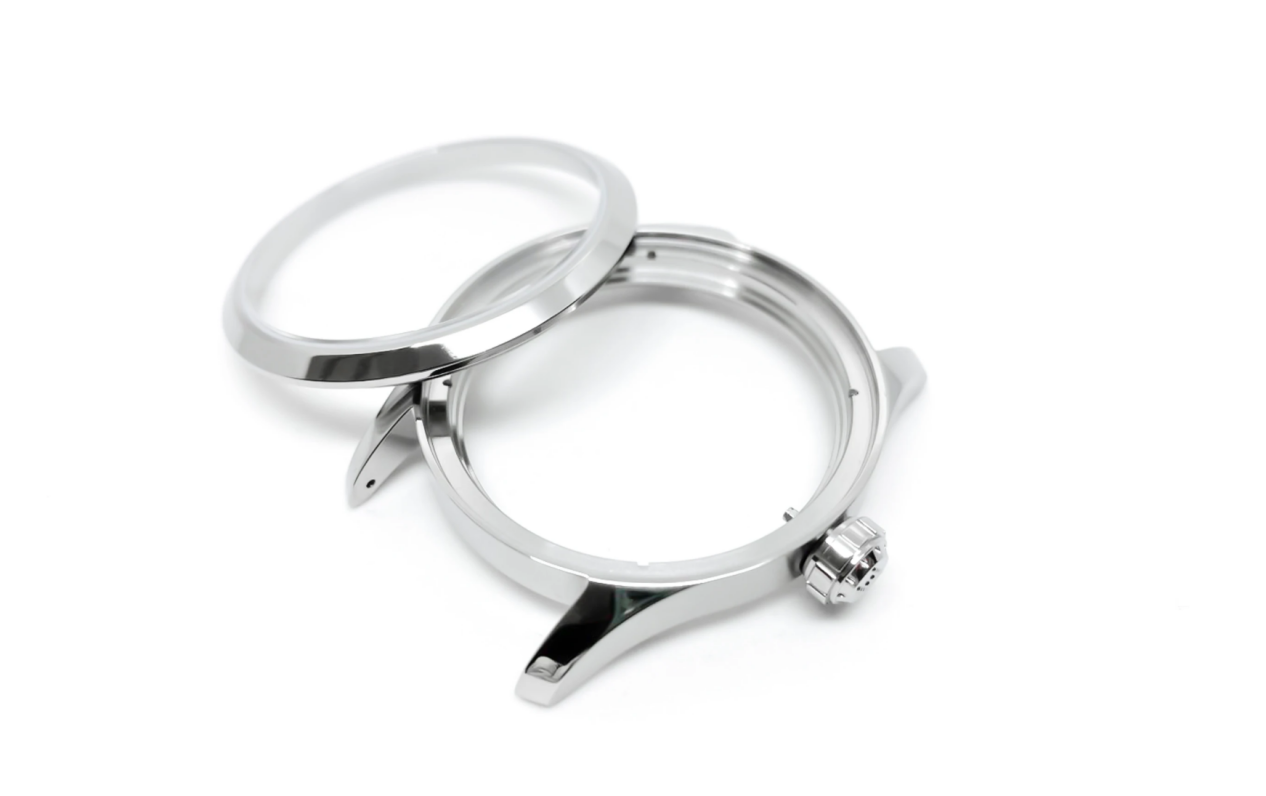
The choice of Ti6Al4V, or Grade 5 titanium, as the substrate is the first critical decision in building this defense system. Its role extends far beyond being a passive structural support; it is an active contributor to the component's longevity. The alloy's legendary corrosion resistance forms the bedrock of the system's reliability. This resistance stems from titanium's ability to spontaneously form a thin, incredibly stable, and self-repairing oxide layer when exposed to oxygen. This adherent layer, primarily composed of titanium dioxide, renders the metal nearly inert in a vast spectrum of environments, from chloride-laden seawater to many oxidizing acids.
This property is absolutely pivotal for a coated component. It means that the high-performance ceramic coating is being applied to a substrate that is fundamentally non-corroding. Should the ceramic layer ever suffer a chip, a scratch, or develop a minute pore during service—an inevitability in harsh conditions—the titanium base does not rapidly corrode underneath. This prevents the catastrophic "undercutting" failure common with steel substrates, where a small coating defect leads to rapid, widespread subsurface corrosion that spalls the entire coating off. The Ti6Al4V substrate acts as a fail-safe, ensuring that localized damage remains localized.
Furthermore, Ti6Al4V provides an exceptional strength-to-weight ratio, offering a lightweight yet immensely strong backbone for the component. This is crucial for dynamic applications like rotating shafts or impellers, where reducing mass lowers inertial forces and improves efficiency. Finally, a properly prepared titanium surface, achieved through meticulous processes like controlled abrasive blasting or chemical etching, offers a superior anchoring site for coatings. Its surface chemistry promotes strong interfacial bonding, creating the essential foundation for coating adhesion that must withstand years of thermal cycling and mechanical stress.

The Ceramic Armor: A Tailored Shield Against the Elements
While the titanium substrate manages the bulk chemical threat and provides structural integrity, the ceramic coating serves as the dedicated, frontline defense against physical and thermal assault. These are not mere layers of paint; they are dense, metallurgically engineered barriers typically deposited using advanced thermal spray technologies like High-Velocity Oxygen Fuel (HVOF) or Atmospheric Plasma Spray (APS). Ceramic materials such as chromium oxide, alumina-titania blends, or carbide-based cermets bring a set of properties that are almost diametrically opposed to those of metals, making them ideal for surface protection.
The foremost attribute is extreme hardness. Many ceramic coatings exhibit hardness values several times greater than that of hardened tool steel. This gives them an unparalleled resistance to abrasion, erosion, and sliding wear, allowing them to act as a sacrificial shield that absorbs the physical punishment, thereby preserving the geometric integrity of the underlying titanium component. Alongside this hardness comes exceptional chemical inertness, often maintained at elevated temperatures where polymers would decompose and metals would oxidize rapidly. This dual capability allows the coating to withstand environments involving hot corrosive gases, molten salts, or aggressive chemical splashes.
A significant advantage of ceramic coatings is their tailorability. Engineers can select or even design a ceramic material to counter a specific primary threat. For a component facing dry, high-velocity abrasive particles, a coating with maximum fracture toughness and hardness might be specified. For one exposed to hot acidic condensate, a coating optimized for chemical stability and dense microstructure would be the choice. This ability to customize the surface properties independently from the substrate material is a powerful tool in the fight against complex wear mechanisms.
The Powerful Synergy: Creating a Whole Greater Than the Sum of Its Parts
The true engineering genius of this system is revealed in the synergistic interaction between the titanium substrate and the ceramic coating. Their partnership creates performance capabilities that neither material could achieve alone. The titanium's corrosion resistance provides the critical safety net, granting the coating system a level of forgiveness and reliability in real-world service that coatings on less resistant substrates simply cannot match. This dramatically extends the service life, even in the presence of minor coating imperfections.
From a mechanical perspective, the match between certain ceramics and titanium can be more favorable than with steels. A closer alignment in coefficients of thermal expansion means that during the coating process—which involves significant heating—and during operational temperature cycles, the stresses at the interface are reduced. This minimizes the driving force for coating delamination or crack formation, enhancing the durability of the bond. Furthermore, this combination delivers an unbeatable weight-to-performance ratio. The component benefits from the surface properties of an ultra-hard, wear-resistant ceramic without the enormous weight penalty of manufacturing the entire part from solid ceramic or heavy cemented carbide, a key advantage in aerospace, automotive, and any application where rotating mass is a concern.
The Imperative of Base Material Quality: A Chain Only as Strong as Its First Link
The performance of this entire high-tech system is intrinsically dependent on the quality of the foundation. Any subsurface flaw within the ti6al4v titanium substrate—such as porosity from inadequate consolidation, non-metallic inclusions, or a non-uniform microstructure resulting from inconsistent processing—acts as a potential nucleation site for failure. Stress can concentrate around these defects, and while titanium corroses slowly, these sites can become initiation points. This makes the source and production methodology of the titanium material not just a procurement detail, but a critical engineering decision.
This is where the expertise of specialized material producers becomes paramount. Sourcing Ti6Al4V from a supplier that masters advanced powder metallurgy, emphasizing characteristics like perfect sphericity, ultra-low interstitial element content, and exceptional batch-to-batch uniformity, results in a substrate of superior metallurgical integrity. Such a high-quality base material, free from latent defects, provides an optimal canvas for the coating application process. It ensures stronger coating adhesion, more consistent performance, and ultimately, a far more reliable component in the field. Investing in a premium substrate maximizes the return on investment for the entire coating operation.
Proven Dominance in Demanding Fields
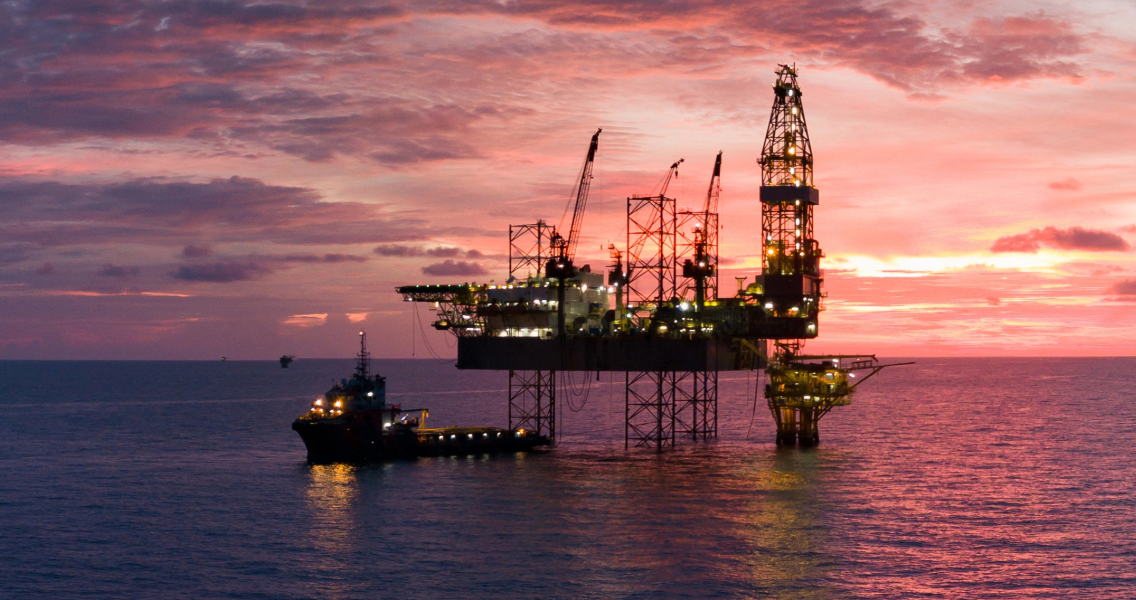
The effectiveness of the Ti6Al4V and ceramic coating partnership is not theoretical; it is a proven solution actively deployed across heavy industry. In oil and gas, it protects high-value components like subsea tree valves and pump internals from the combined attack of sour gas corrosion and abrasive sand. Chemical processing plants utilize it for mixer shafts and spray nozzles that handle both corrosive acids and suspended solids. In power generation, components within flue gas desulfurization scrubbers benefit from this combination to resist acidic slurry erosion. Even in aerospace, critical landing gear parts leverage this technology to withstand corrosion from runway salts and simultaneous fretting wear.
Conclusion: A Strategic Material Alliance for Unrivaled Protection
Specifying a Ti6Al4V substrate with a custom-engineered ceramic coating transcends simple material selection. It represents the implementation of a holistic, systems-level strategy for component survival in the most punishing environments on Earth. This alliance strategically pairs the unmatched bulk corrosion resistance and specific strength of titanium with the unparalleled surface hardness and chemical inertness of advanced ceramics. Each material faithfully plays its role, covering for the other's operational limitations to form a composite defense that is exceptionally resilient against the multifaceted challenges of corrosive wear. For engineers tasked with pushing the boundaries of equipment lifespan, operational safety, and total cost of ownership, this powerful synergy offers a clear path forward—transforming a cycle of frequent maintenance and failure into a promise of enduring, reliable performance.
Table of Contents
- The Relentless Adversary: Understanding Combined Corrosive Wear
- The Titanium Foundation: An Active and Resilient Base
- The Ceramic Armor: A Tailored Shield Against the Elements
- The Powerful Synergy: Creating a Whole Greater Than the Sum of Its Parts
- The Imperative of Base Material Quality: A Chain Only as Strong as Its First Link
- Proven Dominance in Demanding Fields
- Conclusion: A Strategic Material Alliance for Unrivaled Protection
