
 EN
EN
A Comprehensive Guide to Using Ti-6Al-4V Powder for High-Strength 3D Printing.
You're exploring 3D printing to create parts that are incredibly strong yet surprisingly light. Titanium has certainly crossed your radar, but when it comes down to selecting a material for truly demanding projects, one alloy consistently stands above the rest: Ti 6Al 4V. This isn't just another titanium option; it's the industry workhorse, the benchmark against which others are measured. However, success with Ti 6Al 4V in additive manufacturing (AM) doesn't start with dialing in printer parameters. It starts even earlier, with a fundamental understanding of the powder itself. Mastering the use of Ti 6Al 4V powder is what distinguishes a successful, high-integrity, and cost-effective production run from a mere experiment. This guide is designed to help you fully leverage the potential of this exceptional material.
Why Ti 6Al 4V Remains the Unrivaled Choice for Critical Applications
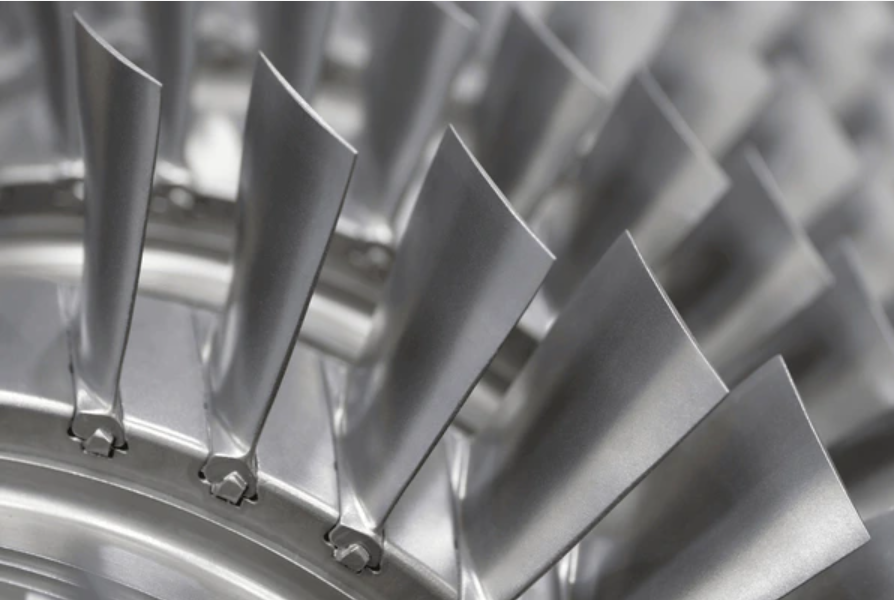
Before we delve into powder specifics, let's revisit what makes this alloy so extraordinary. Ti 6Al 4V, also known as Grade 5 titanium, boasts an exceptional strength-to-weight ratio. It is significantly stronger than many steels while being only about half as dense. Coupled with its excellent corrosion resistance and proven biocompatibility, it becomes the ideal material for aerospace components, medical implants, high-performance automotive parts, and premium consumer electronics. In AM, it unlocks the ability to produce complex, lightweight geometries—like internal cooling channels or organic lattice structures—that are often impossible to achieve through traditional machining. To fully harness these benefits in a printed part, the quality and characteristics of the ti6al4v powder feedstock are absolutely paramount.
The Powder Blueprint: Foundational Traits for Consistent Results
It's critical to understand that not all Ti 6Al 4V powder performs the same. Its behavior during printing is governed by several key properties.
Particle Shape and Flowability: In powder bed fusion processes (like SLM or EBM), the powder must spread like a fluid to form perfectly thin, even layers. This demands high sphericity—meaning the particles are nearly perfectly round. Powder with irregular shapes or "satellites" (small particles stuck to larger ones) will flow poorly, leading to inconsistent layers, porosity, and potential build failures. Premium powder is engineered for optimal flowability, ensuring uniform density from the very first layer to the last. This is where partnering with a specialist powder producer, one that masters proprietary spheroidization technologies, becomes a strategic advantage, directly impacting your yield and part reliability.
Particle Size Distribution (PSD): The size of the powder particles, typically controlled within ranges like 15-45 microns for fine details or 45-106 microns for faster build rates, must be exceptionally consistent. A tight and controlled PSD ensures uniform packing density within each layer. When particles nest together efficiently, the result is a denser powder bed and, after melting, a fully dense part with superior and predictable mechanical properties. Selecting the right PSD is a balance between surface finish, feature resolution, and build efficiency.
Chemical Purity and Microstructure: This is the core of performance. Ti 6Al 4V is sensitive to interstitial elements like oxygen and nitrogen. Even slight elevations can cause embrittlement. High-integrity powder maintains extremely low oxygen content (consistently below 1300 ppm) through advanced inert gas atomization and meticulous handling. Furthermore, the rapid solidification during powder production creates a fine, desirable microstructure. This batch-to-batch consistency in chemistry and microstructure is what enables printed parts to reliably meet and exceed international standards such as ASTM F2924. It's this level of quality control that transforms powder from a commodity into a certified engineering material.
Transforming Economics: Making High-Performance Ti 6Al 4V Accessible
For years, the primary barrier to adopting Ti 6Al 4V in AM was cost. Traditional powder production was expensive, confining the alloy to only the most critical applications. This paradigm has fundamentally shifted. Innovative producers are now revolutionizing the supply chain. By utilizing certified recycled feedstock and achieving material recycling rates exceeding 95% within closed-loop systems, it is now possible to source high-performance Ti 6Al 4V powder at a significantly reduced cost—without compromising quality. This breakthrough in production efficiency is a game-changer. When the powder cost approaches parity with high-end steels, it opens the door for volume applications across automotive, consumer hardware, and more. Companies like KYHE Tech, as a pioneer in this space with its GRS-certified processes, demonstrate how sustainable practices can directly enable more competitive and ambitious designs.
The Strategic Synergy: Bridging AM and MIM for End-to-End Production
A comprehensive manufacturing strategy recognizes that 3D printing isn't the only solution for complex parts. For high-volume production, Metal Injection Molding (MIM) often offers unbeatable cost-effectiveness. The most powerful approach synergizes both. Critically, both processes begin with the same high-quality, spherical Ti 6Al 4V powder. AM is ideal for rapid prototyping, custom designs, and low-volume production of highly complex geometries. Once a design is validated, MIM can seamlessly take over for mass production, delivering thousands of identical, high-precision components with yields over 90% and tolerances as tight as ±20 μm. This is the value of a partner that provides a true one-stop solution—offering not just the powder, but integrated expertise in both AM and MIM. Such a partnership de-risks the entire journey from prototype to mass production, ensuring material and process continuity.
Real-World Impact: Where Powder Excellence Drives Innovation
The value of optimized Ti 6Al 4V powder is realized in its applications:
Aerospace: Powder consistency is non-negotiable for certifying flight-ready structural components, engine parts, and satellite fittings, where weight savings directly translate to performance and fuel efficiency.
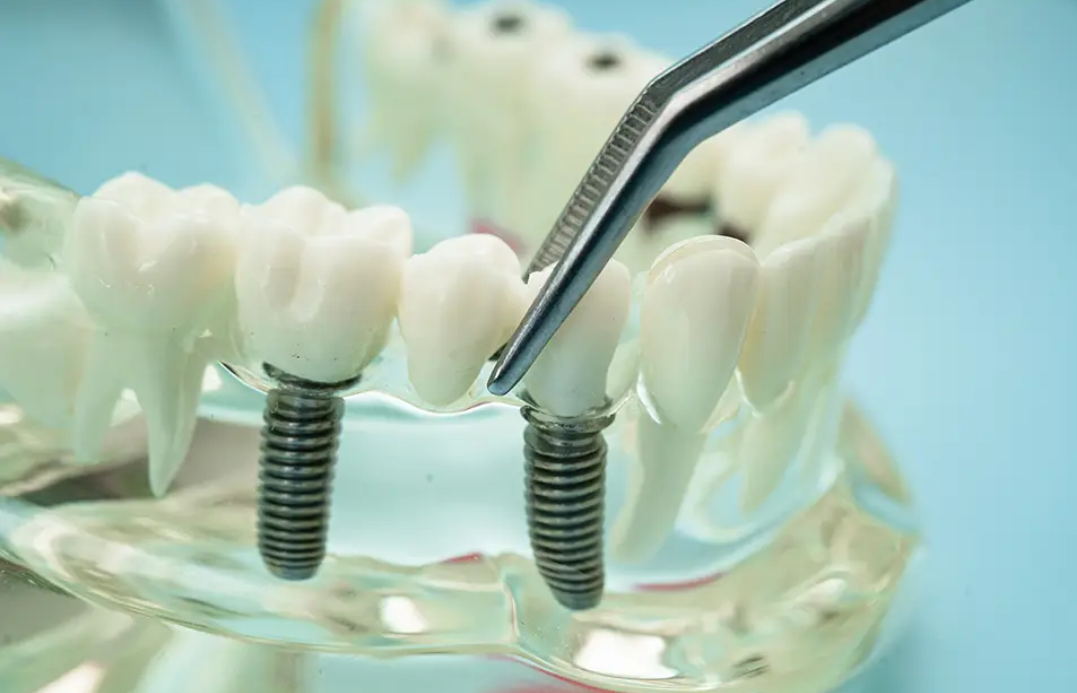
Medical & Dental: Low-oxygen powder guarantees the biocompatibility required for implants, while fine PSD enables the smooth surfaces and intricate porous structures needed for bone integration.
Automotive & Mobility: Reduced powder costs make it feasible to lightweight critical components like connecting rods or suspension parts for high-performance vehicles, enhancing efficiency and power.
Consumer Electronics: The alloy enables the production of strong, thin, and corrosion-resistant internal components like hinges and brackets, contributing to device durability and a premium user experience.
Looking Ahead: Sustainability and Integration as Key Drivers
The future of Ti 6Al 4V in AM is being shaped by two dominant trends. First, sustainability has moved from a nice-to-have to a core requirement. Powder produced from certified recycled sources with a verifiable low-carbon footprint is increasingly vital for meeting corporate ESG goals. Second, the industry is moving toward full-process integration. The most reliable outcomes come from partners who control the value chain—from proprietary powder production and feedstock formulation to manufacturing process mastery. This vertical integration ensures optimal alignment between powder properties and printing/molding parameters, minimizing risk and maximizing performance.
Conclusion: Building Your Success on a Foundation of Expertly Engineered Powder
Mastering high-strength 3D printing with Ti 6Al 4V is a holistic endeavor that begins with the powder. Selecting a feedstock that excels in sphericity, particle size distribution, and chemical purity is the first and most critical decision. Today, thanks to innovative and sustainable production methods, this is an economically smart choice as well. By understanding these fundamentals and partnering with a provider that offers both material excellence and manufacturing synergy—such as those leveraging proprietary technologies like DH-S® for producing superior, cost-effective spherical powder alongside integrated MIM/AM solutions—engineers and designers can confidently push boundaries. They can create parts that are not only lighter and stronger but are also produced more efficiently and responsibly. The foundation for exceptional 3D-printed components is, unequivocally, exceptional powder.
Table of Contents
- A Comprehensive Guide to Using Ti-6Al-4V Powder for High-Strength 3D Printing.
- Why Ti 6Al 4V Remains the Unrivaled Choice for Critical Applications
- The Powder Blueprint: Foundational Traits for Consistent Results
- Transforming Economics: Making High-Performance Ti 6Al 4V Accessible
- The Strategic Synergy: Bridging AM and MIM for End-to-End Production
- Real-World Impact: Where Powder Excellence Drives Innovation
- Looking Ahead: Sustainability and Integration as Key Drivers
- Conclusion: Building Your Success on a Foundation of Expertly Engineered Powder
