
 EN
EN
When you think about extreme environments, your mind might go to high heat. Engine bays, rocket nozzles, things like that. But the other end of the temperature spectrum is just as demanding. Cryogenic environments, where temperatures drop to minus 150 degrees Celsius or lower, put materials through a completely different kind of test. And in those conditions, not every metal holds up. Some get brittle. Some crack. Some just give up. But Ti-6Al-4V? It handles the cold surprisingly well.
If you work in industries like aerospace, energy, or scientific research, you might run into situations where components have to perform at cryogenic temperatures. Think about fuel tanks for rockets, storage vessels for liquefied natural gas, or equipment used in deep space observation. These applications demand materials that do not lose their cool when things get cold. Ti-6Al-4V has earned a reputation in this area. Let us talk about why.

What Happens To Most Metals When It Gets Really Cold
Before we get into how Ti-6Al-4V behaves, it helps to understand what happens to metals in general at low temperatures. For many materials, cold is bad news. As the temperature drops, atoms have less thermal energy. They move around less. That might sound stable, but it actually makes many metals more brittle.
Steel is a classic example. Carbon steel that is ductile and tough at room temperature can become brittle and prone to cracking when it gets cold enough. Ships have broken in half in icy waters because the steel lost its ability to bend. The technical term for this is ductile to brittle transition. And for many metals, that transition happens well above cryogenic temperatures.
Other materials, like some aluminum alloys, hold up better. But they often lose strength as the temperature drops. So you end up trading one problem for another.
How Ti-6Al-4V Stands Out In The Cold
Ti-6Al-4V is different. It does not have a sharp ductile to brittle transition like steel does. Instead, it tends to get stronger as the temperature drops. That is right. In cryogenic conditions, this alloy actually becomes tougher in some ways.
The tensile strength and yield strength of Ti-6Al-4V increase at low temperatures. At the same time, it retains a good amount of ductility. It does not suddenly become glassy and snap. That combination is rare. Most materials either lose strength or lose ductility. Ti-6Al-4V manages to hold onto both.
There is a catch, of course. The alloy does become less ductile than it is at room temperature. You cannot bend it as far before it breaks. But the drop is gradual, not sudden. And the strength gains often outweigh the ductility loss for structural applications.
Why The Crystal Structure Matters
To understand why Ti-6Al-4V behaves this way, you have to look at its crystal structure. At room temperature, titanium has a hexagonal close packed structure. That structure does not change dramatically when things get cold. There is no sudden phase transformation like you see in some steels.
That stability is key. Because the crystal structure stays the same, the material's behavior changes gradually rather than abruptly. Engineers can predict how it will perform. They can design around the changes. That predictability is valuable when you are building something that has to work reliably at minus two hundred degrees.
Applications Where This Really Matters
So where does this come into play? One of the biggest areas is aerospace. Rockets use liquid oxygen and liquid hydrogen as propellants. Those fluids are incredibly cold. Liquid hydrogen boils at around minus 253 degrees Celsius. The tanks that hold these fuels have to survive those temperatures while also handling the mechanical stresses of launch and flight.
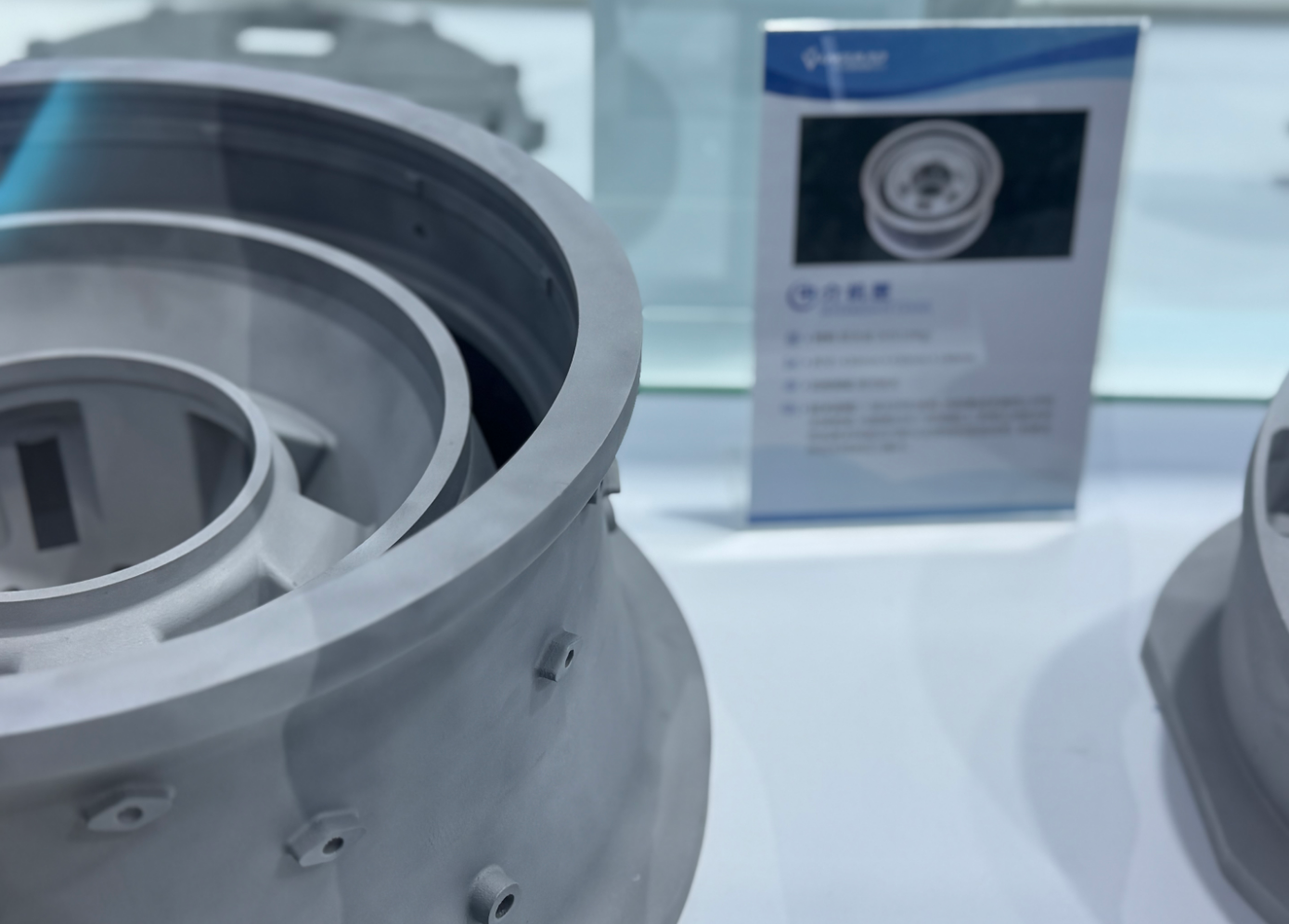
Ti-6Al-4V shows up in things like fuel lines, tank structures, and valve components. It is light, which matters for rocketry, and it holds up in the cold. That combination is hard to beat.
Another area is liquefied natural gas. LNG is stored and transported at around minus 162 degrees Celsius. Pumps, valves, and piping systems that handle LNG need materials that do not get brittle. Ti-6Al-4V works well here too.
Scientific equipment is another one. Telescopes and sensors that operate in space or at high altitudes experience extreme cold. Components made from Ti-6Al-4V maintain their properties and their precision.
What Designers Need To Watch Out For
If you are designing a part for cryogenic service using Ti-6Al-4V, there are a few things to keep in mind. First, the increased strength means you might be able to use thinner sections or lighter designs than you would at room temperature. That is a win.
But you also have to account for the reduced ductility. Impact loads are a concern. If something hits the part when it is cold, it might crack more easily than it would at room temperature. So you need to think about the loading conditions.
Thermal contraction is another factor. Everything shrinks when it gets cold. Different materials shrink at different rates. If you are joining Ti-6Al-4V to another material, you have to account for that mismatch. Otherwise, you could end up with stress concentrations or failed joints.
Surface defects also matter more at low temperatures. A small scratch or notch that would be harmless at room temperature could become a crack starter in the cold. So surface finish and quality control become even more important.
How Manufacturing Methods Affect Cryogenic Performance
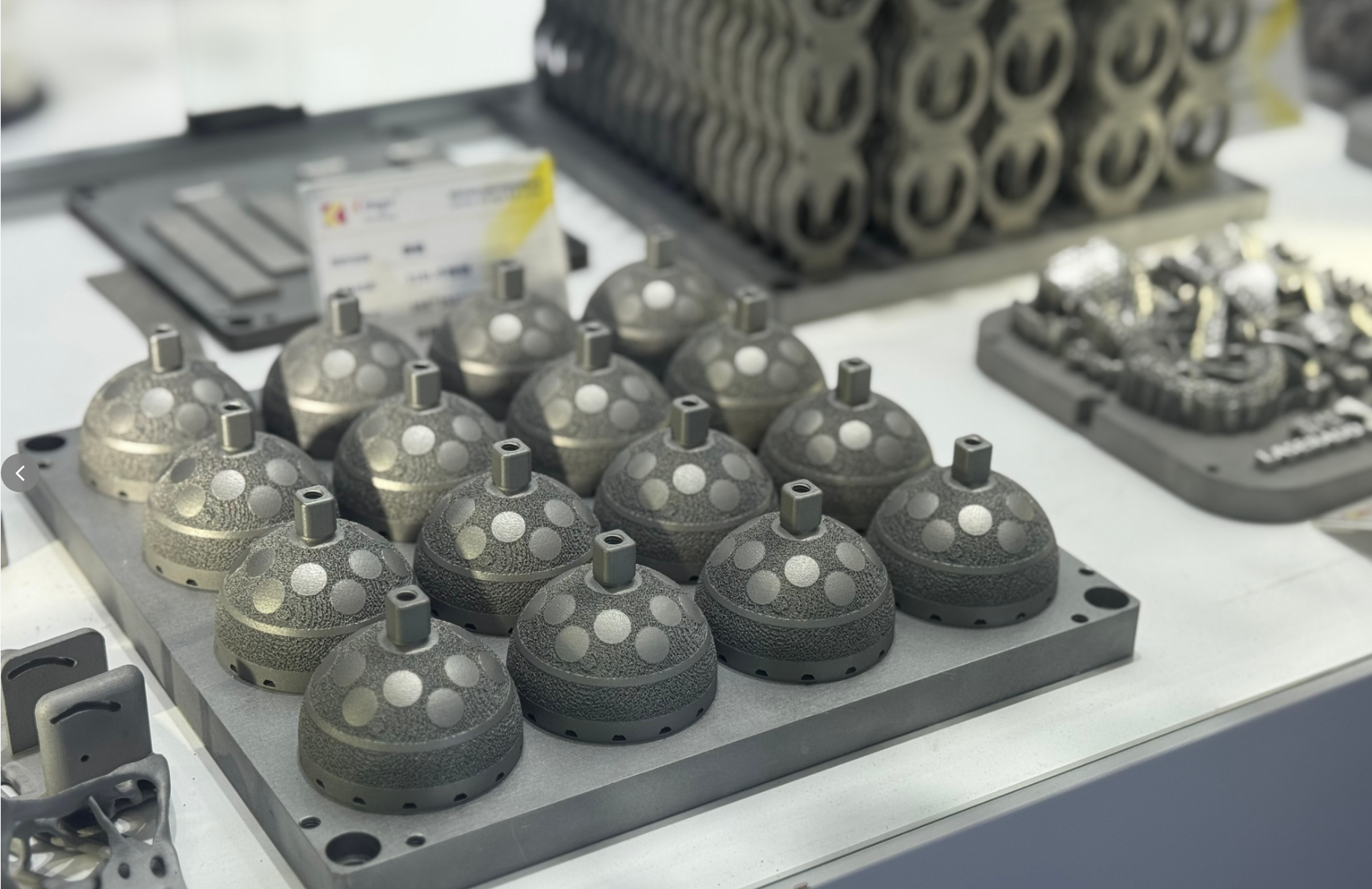
The way you make a part also influences how it behaves in the cold. Forged or wrought Ti-6Al-4V has a long track record in cryogenic service. But these days, more parts are being made with additive manufacturing and metal injection molding.
These methods can produce complex geometries that are hard to achieve with traditional techniques. But they also introduce variables. The powder quality, the processing parameters, and the post processing all affect the final microstructure. And the microstructure affects how the material performs at low temperatures.
That is why powder quality matters. Clean, consistent powder with the right chemistry and particle characteristics leads to better parts. Companies like KYHE that specialize in titanium alloy powders understand this. Their focus on quality and sustainability feeds directly into the performance of the final components.
The Role Of Post Processing And Heat Treatment
Heat treatment is another piece of the puzzle. For Ti-6Al-4V, different heat treatments can produce different microstructures. Some microstructures are better for strength. Some are better for ductility. For cryogenic applications, you often want a balance.
Stress relief is also important. Residual stresses from manufacturing can combine with thermal stresses in the cold to cause problems. Proper heat treatment helps relieve those stresses and stabilize the part.
Testing And Qualification For Cold Service
If you are making parts for cryogenic use, you have to test them. You cannot just assume they will work. Testing at actual service temperatures is the only way to be sure.
That means cooling the parts down, loading them up, and seeing what happens. It means checking for cracks, measuring deformation, and verifying that the material meets the requirements. It is not cheap, and it is not fast. But it is necessary.
Standards exist to guide this process. For aerospace, there are specific requirements for cryogenic service. Following those standards gives you confidence that your parts will perform.
Why This Matters For The Future
As technology pushes further into extreme environments, the demand for materials that can handle the cold will only grow. Space exploration is expanding. LNG is becoming a bigger part of the energy mix. Scientific instruments are getting more sensitive and going to colder places.
Ti-6Al-4V is well positioned to meet that demand. It has the track record. It has the properties. And with modern manufacturing making it more accessible and affordable, it will likely show up in even more applications.
The Bottom Line On Cold Performance
At the end of the day, Ti-6Al-4V works in cryogenic environments because it does not panic when things get cold. It gets stronger. It stays tough enough. It does not suddenly become brittle. That reliability is what engineers look for when they are designing things that have to work in the harshest conditions.
If you are working on a project that involves cryogenic temperatures, take a close look at this alloy. It might be exactly what you need.
Table of Contents
- What Happens To Most Metals When It Gets Really Cold
- How Ti-6Al-4V Stands Out In The Cold
- Why The Crystal Structure Matters
- Applications Where This Really Matters
- What Designers Need To Watch Out For
- How Manufacturing Methods Affect Cryogenic Performance
- The Role Of Post Processing And Heat Treatment
- Testing And Qualification For Cold Service
- Why This Matters For The Future
- The Bottom Line On Cold Performance
