
 EN
EN
If you are into additive manufacturing or metal injection molding, you probably know that TC4 titanium is kind of a big deal. It is used in aerospace parts, medical devices, automotive components, and even high end consumer electronics. The problem? Finding a steady, trustworthy source of certified TC4 titanium powder for large scale production is not as easy as people think.
Over the years, many manufacturers have run into the same headaches. Inconsistent powder quality, missing certifications, and sudden supply chain disruptions. So let us talk about what it really takes to build a reliable supply chain for certified TC4 titanium powder when you are producing at high volumes. And yes, we will look at how some smart companies like Kyhe are getting it right.
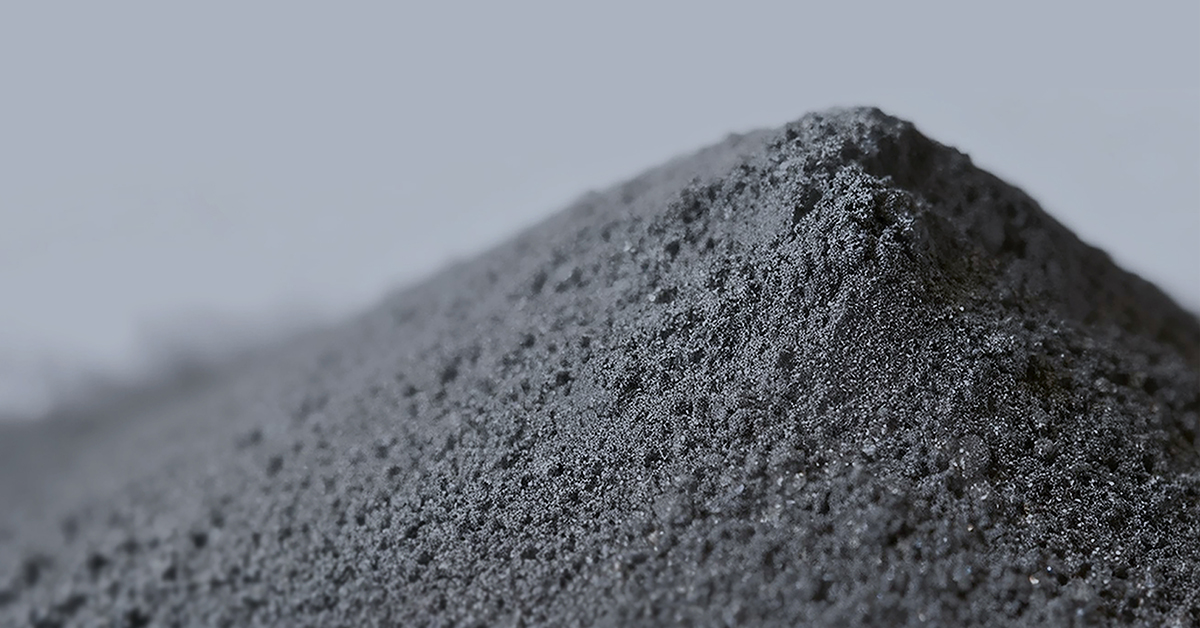
Why Certifications Really Matter for TC4 Titanium Powder
Let us be honest. Anyone can say their TC4 titanium powder meets industry standards. But when you are making critical components for airplanes or medical implants, you need real proof. Certifications are not just fancy pieces of paper. They are your safety net.
A good supplier will hold certifications like ISO 9001 for basic quality management. For more demanding fields like aerospace or healthcare, AS9100 or ISO 13485 are absolute must haves. These certifications mean the supplier has been audited and has proper processes in place. You do not want to guess whether your TC4 titanium powder is consistent. You want to know for sure.
Some suppliers, like Kyhe, have invested heavily in getting these certifications right. That gives buyers confidence. Also, there is a growing trend toward sustainability certifications. More manufacturers want recycled content in their TC4 titanium powder to hit environmental goals. If your supplier can provide certified sustainable material, that is a huge plus.
Maintaining Batch to Batch Consistency at Scale
Here is where a lot of suppliers fail. They can produce beautiful TC4 titanium powder for small test runs. But when you need dozens of tons every month for continuous production, things start to fall apart.
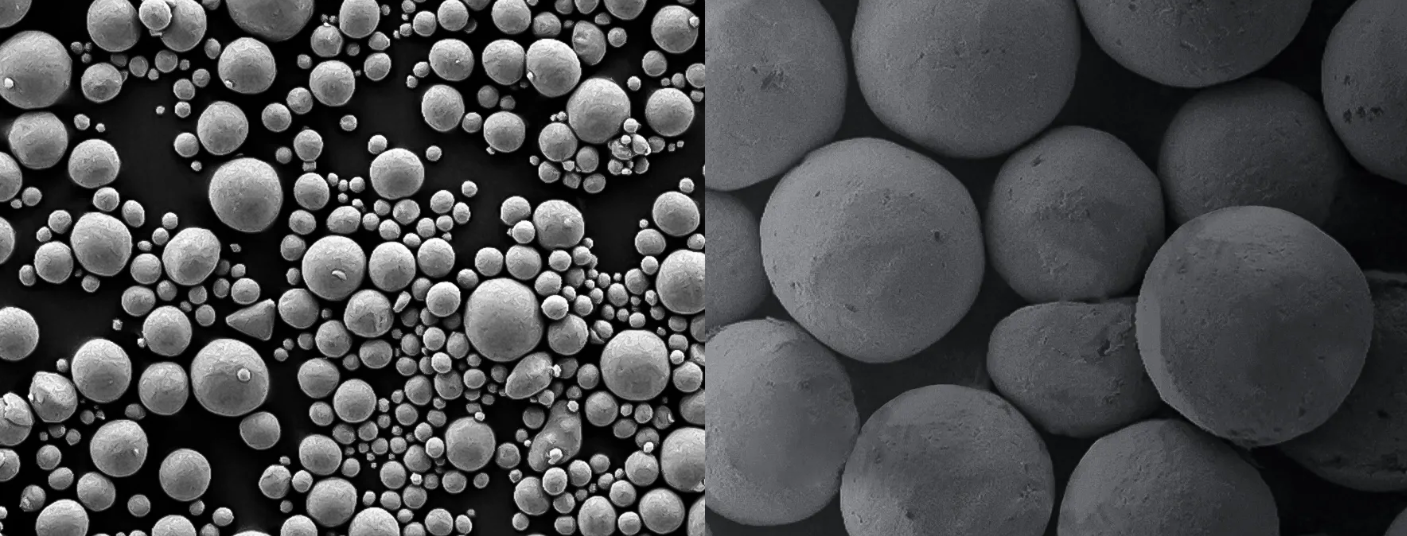
Batch to batch consistency is everything. You cannot afford to have one lot of TC4 titanium powder flowing perfectly and the next lot causing clogs or bad parts. That is why you need a supplier with real large scale production capacity and tight process control. Look for someone who can consistently keep particle size distribution within a narrow range. Oxygen content should stay low, typically below 0.13 percent for high performance work. And the powder particles should be spherical with very few satellites
Kyhe has focused on this exact challenge. By controlling every step from raw material to final packaging, they make sure each batch of TC4 titanium powder behaves the same way. That kind of reliability is gold when you are running production lines 24/7.
Building a Resilient Supply Chain That Delivers
Think about the last time your powder shipment was late. It probably cost you time, money, and a lot of stress. A reliable supply chain for TC4 titanium powder is not just about finding a supplier with good product. It is about finding a partner who can deliver on time, every time.
The global TC4 titanium powder supply chain is concentrated in certain regions. That can be efficient, but it also means you need to do your homework. Ask potential suppliers about their minimum monthly output. A supplier that can produce over five thousand kilograms per month has the experience and maturity to handle big orders. Also check how fast they respond to technical questions or urgent requests. Fast communication saves you from many headaches.
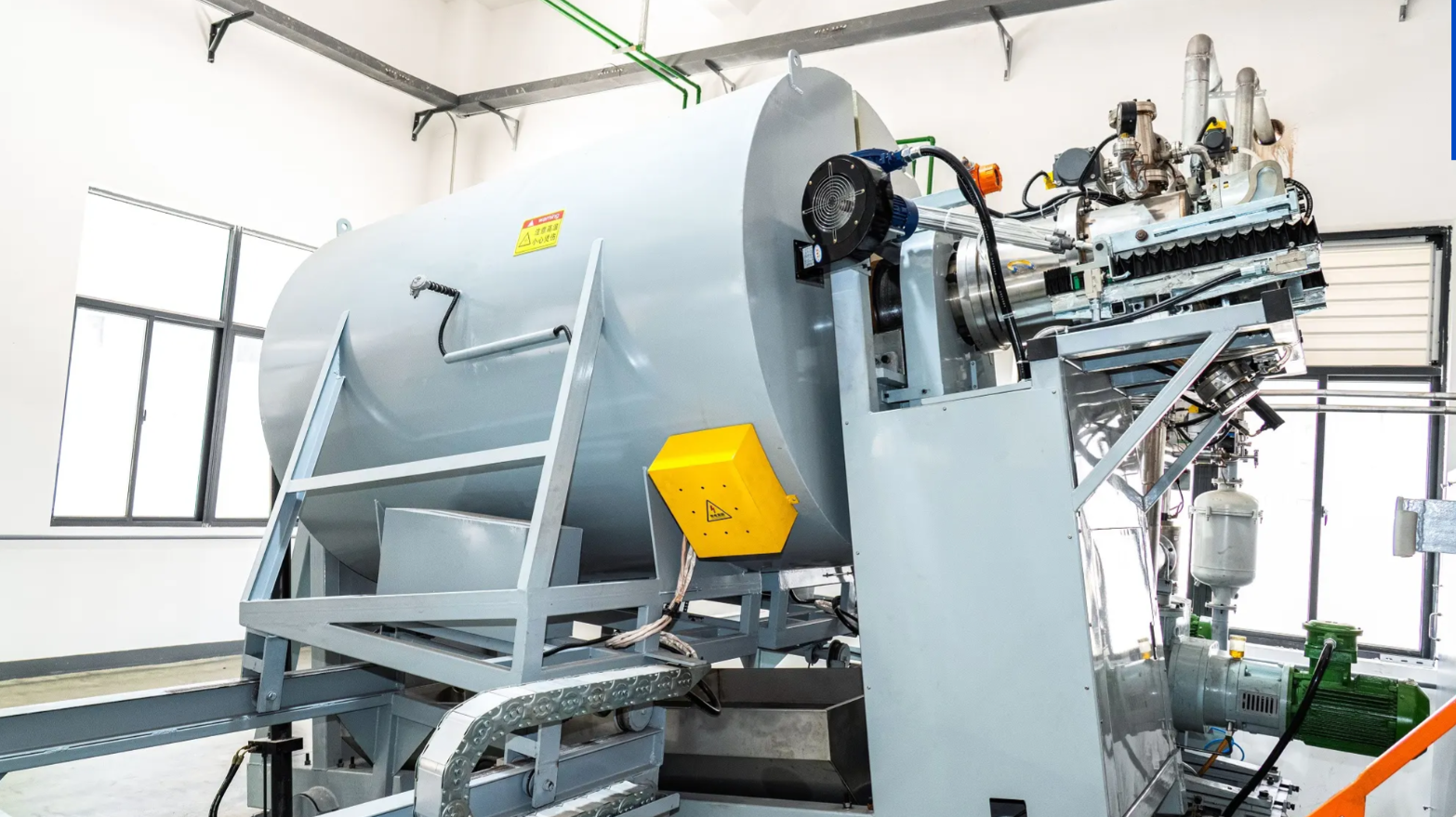
Some suppliers, including Kyhe, have built their operations specifically for high volume reliability. They maintain buffer stock and have redundant production lines. That way, if one line needs maintenance, your TC4 titanium powder supply does not stop.
The Production Technology Behind High Quality TC4 Powder
Not all TC4 titanium powder is made the same way. The production method has a huge impact on final quality. The most common technologies today are gas atomization, plasma rotating electrode process, and plasma atomization. Each has its strengths, but the best methods consistently produce spherical particles with low oxygen and good flowability.
Advanced processes now focus on recycling and sustainability. Some manufacturers have achieved very high material recycling rates for TC4 titanium powder. That means less waste and lower costs. It also helps stabilize the supply chain because you rely less on virgin raw materials.
When you evaluate TC4 titanium powder, look at the Hall flow rate. Anything under 30 seconds per 50 grams means good flowability. Apparent density should be at least 2.3 grams per cubic centimeter. Tap density should exceed 2.8 grams per cubic centimeter. These numbers tell you how the powder will behave in your machines. Kyhe publishes these metrics openly, so customers know exactly what they are getting.
Balancing Cost and Quality Without Compromise
Everyone wants to save money. But chasing the lowest price for TC4 titanium powder often backfires. Cheap powder might have inconsistent particle sizes, higher oxygen content, or poor traceability. When that causes production stoppages or failed parts, you end up spending much more in the long run.
That said, you do not have to overpay. Some suppliers have figured out how to produce high quality TC4 titanium powder at reasonable costs through better processes and recycling. The key is to find the sweet spot where quality meets affordability. Always request batch specific certificates of analysis before you commit. Run sample batches through your actual production line. Test multiple lots before scaling up.
A smart approach is to start with trial orders. Run them through several production cycles. See how the TC4 titanium powder performs under your specific conditions. Once you verify consistency, then negotiate volume pricing. This small investment in testing can save you from huge losses later.
Practical Steps to Secure Your TC4 Powder Supply
So what should you actually do?
● First, map out your monthly and yearly TC4 titanium powder needs. Be realistic. Then start looking for suppliers who have the certifications you require. Do not skip this step. Certifications are your first filter.
● Second, ask for detailed technical data sheets and batch test reports. Compare flowability, density, oxygen content, and particle size distribution across multiple batches. If the numbers jump around, walk away.
● Third, visit the supplier if possible. See their production lines and quality control labs. A clean, organized facility usually means better consistency. Fourth, start with a small trial order. Run it through your process. Test the parts. Repeat with a second batch from a different production run. Only after two or three consistent batches should you place a large order.
● Finally, build a relationship with your supplier. Share your production schedule. Let them know your peak demand periods. Good suppliers like Kyhe will plan ahead with you. That way, your TC4 titanium powder arrives when you need it, not when it is convenient for them.
Building a reliable supply chain for certified TC4 titanium powder takes effort. There is no magic shortcut. But when your production runs smoothly, your parts meet specifications, and your customers stay happy, you will know it was worth it.
Table of Contents
- Why Certifications Really Matter for TC4 Titanium Powder
- Maintaining Batch to Batch Consistency at Scale
- Building a Resilient Supply Chain That Delivers
- The Production Technology Behind High Quality TC4 Powder
- Balancing Cost and Quality Without Compromise
- Practical Steps to Secure Your TC4 Powder Supply
