
 EN
EN
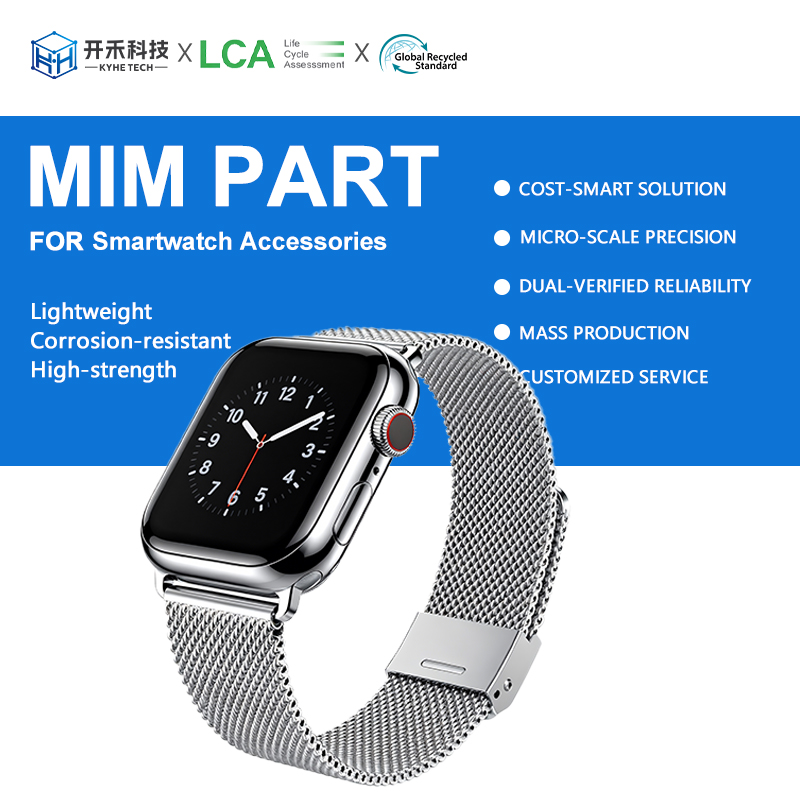
Wearable technology is everywhere, from smartwatches and fitness trackers to smart glasses and hearables. Consumers today demand devices that are not only powerful and connected but also comfortable for all-day wear, durable, and aesthetically pleasing. This places immense pressure on the materials used for the structural components that house and protect the sophisticated electronics inside. In the competitive landscape, material choice has become a key differentiator. While many brands rely on standard aluminum alloys and plastics, leading manufacturers aiming for the premium segment are increasingly turning to titanium, captivated by its unique blend of properties. However, successfully integrating titanium into wearable devices requires more than just selecting the material; it demands access to advanced, cost-effective manufacturing services. This article explores why titanium is the material of choice for innovative wearables and how modern machining and manufacturing solutions are making this a practical reality for forward-thinking brands.
Why Titanium is the Superior Choice for Wearable Devices
Choosing titanium for a wearable device is a strategic decision that goes far beyond reviewing a specification sheet. It directly and profoundly impacts the user experience, product longevity, and brand perception. The most celebrated advantage is titanium's exceptional strength-to-weight ratio. It is significantly stronger than the aluminum alloys commonly used in electronics, yet only about 60% heavier. This enables the creation of remarkably thin, lightweight frames, cases, and components that feel substantial and premium in hand without becoming burdensome during extended wear. For designers, this weight saving is a valuable resource that can be reallocated to accommodate larger batteries or additional sensors without compromising the device's structural integrity.
Furthermore, titanium is inherently hypoallergenic and biocompatible. This is a critical consideration for devices in constant contact with skin, such as watch cases, back plates, and strap buckles. It virtually eliminates the risk of nickel allergies or skin irritation that can sometimes occur with certain stainless steels or coatings. From a finish perspective, titanium also excels. Unlike aluminum, which often requires anodizing for color, titanium can be finished in elegant, durable ways that resist chipping and wear. This powerful combination of lightweight strength, skin-friendliness, and enduring beauty solidifies titanium's position as the ultimate material for wearables that seamlessly blend high performance with luxury.
Key Applications of Titanium in Wearable Technology
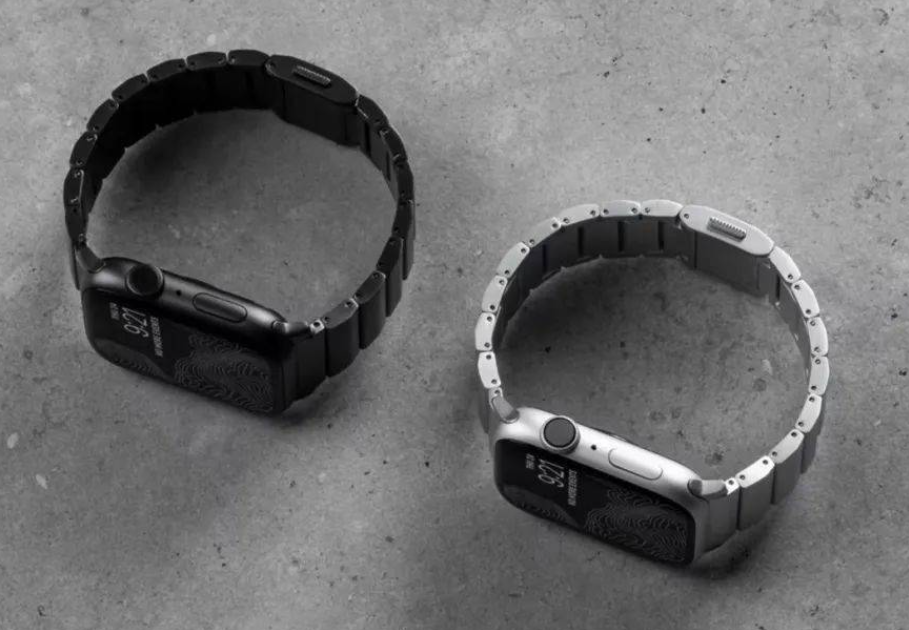
Titanium's versatility allows it to excel in a wide range of applications within a wearable device. Its benefits are most visibly showcased in the external casing or chassis. A titanium watch case or smart glasses frame provides a rigid, protective exoskeleton for delicate internal electronics, offering superior resistance to dents, scratches, and daily wear compared to other metals. This translates directly into a more durable product that maintains its pristine appearance over years of use.
Beyond the outer shell, titanium is ideal for smaller, high-stress mechanical components. This includes watch crowns, pusher buttons, hinge mechanisms for folding devices, and the tiny, precise buckles for straps and bands. These parts undergo thousands of cycles of stress and engagement; titanium's excellent fatigue resistance ensures reliable operation throughout the device's entire lifecycle. Internally, titanium is used in brackets and structural supports where its strength and non-magnetic properties prove advantageous for shielding sensitive sensors and antennas from interference. Whether in a consumer fitness band or a specialized medical monitor, titanium components enhance overall device reliability, functionality, and user comfort.
Overcoming the Titanium Machining Challenge with Advanced Processes
Historically, the broader adoption of titanium in consumer electronics was hindered by two primary factors: high material costs and difficult machinability. Traditional CNC machining of titanium from a solid billet is a slow and demanding process. Titanium's poor thermal conductivity causes heat to concentrate at the cutting tool interface, leading to rapid tool wear and potential compromise of the material's surface integrity. This results in high per-part costs, significant material waste (often exceeding 80%), and extended production cycles.
This is where innovative manufacturing technologies are revolutionizing the industry. Metal Injection Molding (MIM) has emerged as a game-changer for producing high-volume, complex titanium parts for wearables. The process begins with fine, spherical titanium alloy powder, which is mixed with a binder and injected into precision molds to form a "green" part. This part then undergoes careful thermal processes to remove the binder and sinter the powder into a nearly fully dense metal component. For wearable parts, MIM offers decisive advantages. It enables the net-shape production of highly intricate geometries—such as integrated lugs, clasp mechanisms, or textured surfaces—in a single step, drastically reducing or eliminating secondary machining. Critically, material utilization in MIM can exceed 95%, making it a far more efficient and cost-effective option than traditional machining.
The Critical Role of Powder Quality in Manufacturing Success
The success of any advanced titanium manufacturing process, especially MIM, is fundamentally dependent on the quality of the feedstock material. The titanium powder must possess specific characteristics to ensure proper flow during molding, achieve dense sintering, and yield parts with the required mechanical strength and surface finish. Key metrics include high sphericity for optimal flow, a tightly controlled particle size distribution for uniform packing, and extremely low oxygen content to prevent embrittlement.
A manufacturing partner's core expertise in powder production is essential here. Specialized manufacturers like KYHE Tech have pioneered advanced powder technologies, such as the patented DH-S® process. This technology is engineered to produce titanium powder with exceptional sphericity and an industry-leading low hollow powder rate (consistently below 1%). Hollow particles are problematic as they can become defects in the sintered part. By starting with such high-quality powder, manufacturers ensure higher final part density, superior surface quality, and consistent mechanical properties from batch to batch. This level of control at the material source is non-negotiable for meeting the stringent quality and performance demands of global wearable brands.
Achieving Cost Competitiveness and Sustainable Production
A major breakthrough enabling titanium's move into mainstream wearables is the dramatic reduction in total part cost. This is achieved through the synergy of advanced powder manufacturing and efficient shaping processes. Proprietary powder technologies like DH-S® are designed to slash the cost of high-quality titanium powder, bringing it closer to the price levels of stainless steel. When this cost-optimized powder is used in the high-yield MIM process, the overall economics become compelling for the consumer electronics market.
Sustainability is now a paramount concern for both consumers and corporations. The titanium production process for wearables can align powerfully with environmental goals. The MIM process itself is highly material-efficient. Furthermore, leading manufacturers implement closed-loop systems where over 95% of process scrap (like sprues and runners) is recycled directly back into the powder feedstock stream. Partners who are also verified leaders in sustainable production, such as KYHE Tech as a GRS (Global Recycled Standard) certified enterprise, provide an auditable chain of custody. This enables wearable brands to offer a powerful narrative: premium titanium components that deliver high performance while boasting a significantly reduced carbon footprint.
Partnering for End-to-End Wearable Component Solutions
Successfully integrating titanium into a wearable device requires more than just purchasing components; it demands a collaborative partnership that spans from initial concept to volume production. The ideal partner offers a true one-stop solution, managing the entire journey from material science to the finished component.
This collaboration begins with co-design and Design for Manufacturability (DFM). Engineers with deep titanium MIM expertise can guide design teams to optimize part geometries for the process—consolidating multiple parts, suggesting optimal wall thicknesses, and ensuring features are moldable. This upfront collaboration prevents costly redesigns and accelerates time-to-market. The partner should also provide flexible production pathways, capable of supporting small-batch 3D printing for rapid prototyping and seamlessly scaling up to high-volume MIM production for launch. With substantial in-house annual powder production capacity (e.g., 500T+) and extensive manufacturing facilities, a partner can guarantee supply chain stability for global product launches. Finally, a global support network ensures responsive service and smooth logistics, making the integration of advanced titanium components into complex international supply chains a seamless experience for all stakeholders.
Conclusion: Building the Future of Wearables with Titanium
The integration of titanium into wearable device components represents a major leap forward in product quality and user experience. It delivers tangible benefits in durability, comfort, and premium appeal that consumers can see and feel. The historical barriers of cost and manufacturability are being dismantled by a new generation of advanced manufacturing technologies and material innovations.
For brands determined to stand out in a crowded market, the path forward involves partnering with vertically integrated specialists who control the process from eco-friendly powder production to precision molding. These partnerships unlock the full potential of titanium through cost-effective, sustainable, and scalable manufacturing methods. The result is the ability to create next-generation wearable devices that are not only smarter but also stronger, lighter, and built to last—securing a decisive competitive edge in the dynamic world of personal technology.
