
 EN
EN
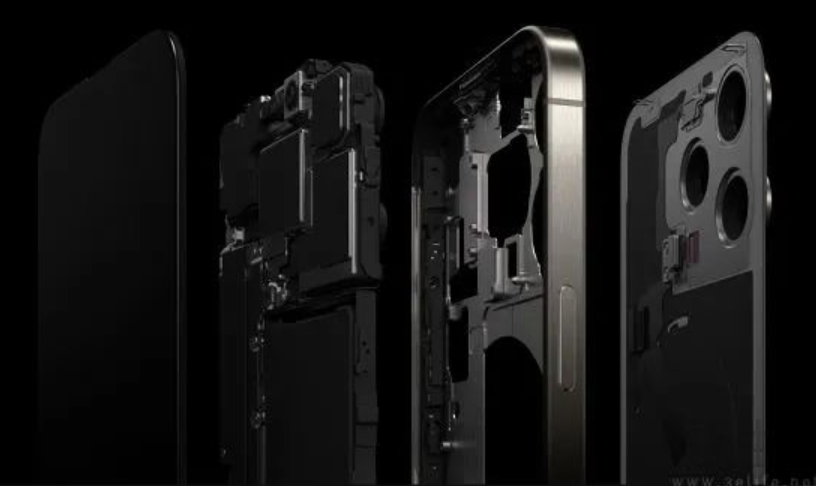
The relentless drive for more powerful, feature-rich, and durable consumer electronics (3C devices) constantly pushes the boundaries of design and materials engineering. As devices become slimmer yet must house increasingly complex internal components, the structural framework—the skeleton of the device—faces unprecedented demands. It must be incredibly strong to protect delicate electronics, exceptionally lightweight for portability, and possess a premium aesthetic that resonates with consumers. While traditional materials like aluminum and stainless steel have served well, a superior alternative is reshaping high-end device architecture: Grade 5 Titanium (Ti-6Al-4V). This advanced alloy is no longer reserved for aerospace or medical implants; it is now a strategic choice for engineering next-generation smartphones, laptops, tablets, and wearables that are lighter, stronger, and more resilient. The key to its successful adoption lies not only in its inherent properties but in partnering with innovators who have mastered its economic and sustainable application.
Why Grade 5 Titanium is the Ideal Choice for 3C Structural Frames
The selection of a material for a device's core structure is a critical decision that impacts nearly every aspect of its performance. Grade 5 titanium stands out due to its unparalleled strength-to-weight ratio. It is approximately 40% lighter than stainless steel while offering comparable strength, and significantly stronger than the aluminum alloys commonly used in electronics. This translates directly into devices that feel substantial and durable in the hand without unnecessary heft. For engineers, this weight saving is a precious resource that can be reallocated to larger batteries, enhanced cooling systems, or additional features without increasing the overall device footprint.
Beyond raw strength, Grade 5 titanium provides exceptional corrosion and scratch resistance. Unlike aluminum, it does not require anodized coatings for color, which can wear off over time. Titanium develops a stable, protective oxide layer that ensures long-term durability against daily wear, moisture, and exposure to salts from skin contact. Furthermore, its biocompatibility and hypoallergenic nature make it an excellent, skin-safe material for wearable device casings and frames. This combination of mechanical robustness, enduring finish, and user safety positions Grade 5 titanium as the premier material for brands focused on quality, longevity, and a premium user experience. The challenge has shifted from "why titanium?" to "how to implement titanium cost-effectively."
Key Structural Applications in Modern 3C Devices
The application of Grade 5 titanium in consumer electronics is both strategic and multifaceted, moving beyond mere cosmetic accents to become a fundamental load-bearing element. In flagship smartphones, titanium is increasingly used for the mid-frame or chassis. This critical component must anchor the display, motherboard, battery, and camera modules, resisting bending and torsional stresses from everyday use. A titanium mid-frame provides a rigid foundation that enhances structural integrity, protects internal components from impact damage, and can even contribute to more efficient thermal management due to its material properties.
In the realm of portable computing, titanium finds its place in the hinges of advanced folding smartphones and laptops, as well as in the internal brackets and supports for ultra-thin notebooks. Hinges machined from Grade 5 titanium can endure hundreds of thousands of open-close cycles with minimal wear or deformation, enabling reliable operation of complex folding mechanisms. For wearables like high-end smartwatches and augmented reality glasses, titanium cases offer the perfect blend of lightweight comfort for all-day wear and the toughness needed to withstand bumps and scrapes. The material's ability to be finely machined also allows for the creation of intricate, sleek designs with tight tolerances, facilitating the sleek, minimalist aesthetics that define modern premium electronics. Forward-thinking manufacturers are now leveraging these applications not just as design features, but as core brand differentiators in a crowded market.
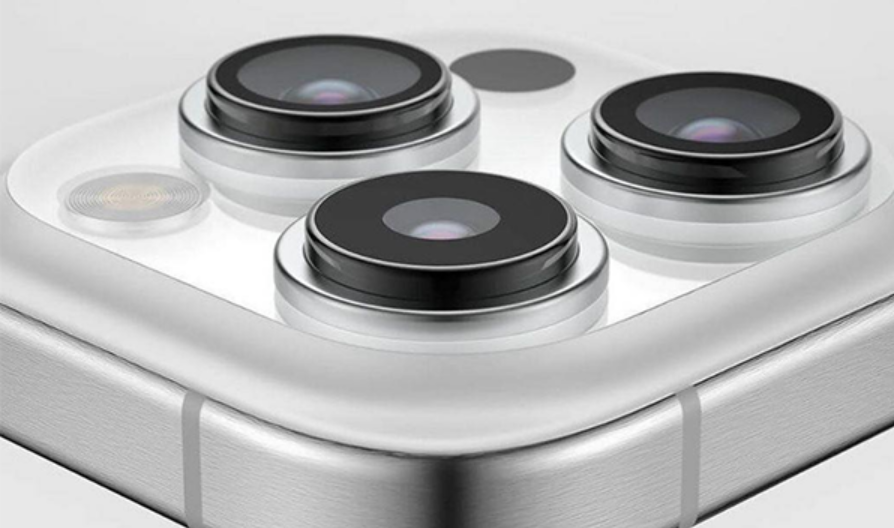
Overcoming Cost and Manufacturing Hurdles with Advanced Powder and MIM Technology
Historically, the widespread use of titanium in consumer electronics was hindered by two main factors: high material cost and difficult machinability. Traditional CNC machining of titanium from solid billet is slow, generates substantial waste (often over 80% of the material becomes chips), and wears down cutting tools rapidly, all of which contribute to high per-part costs. This is where innovative material science and manufacturing processes create a paradigm shift.
The breakthrough begins at the powder level. Advanced powder production technologies, such as the DH-S® process, are crucial. This technique produces highly spherical titanium alloy powder with an exceptionally low hollow powder rate (below 1%). This characteristic is vital because it ensures high powder flowability and packing density, which directly translates to superior final part strength, surface finish, and dimensional accuracy in the subsequent Metal Injection Molding (MIM) process. More importantly, such proprietary powder technologies can slash powder production costs, bringing the raw material expense closer to that of stainless steel, thereby tackling the first major barrier.
MIM is the transformative manufacturing technology that makes high-volume production feasible. The process utilizes this fine titanium powder, mixes it with a binder, injects it into precision molds to form a "green" part, then undergoes debinding and sintering. For 3C structural parts, MIM offers decisive advantages. It enables near-net-shape production of complex geometries in a single step, dramatically reducing secondary machining. Material utilization in MIM can exceed 95%, a stark contrast to machining. When combined with low-cost, high-quality powder, the total part cost becomes competitive for premium device segments, successfully overcoming the historical economic barrier.
The Critical Link: Sustainable Production and Supply Chain Assurance
Sustainability and supply chain resilience are now non-negotiable for global electronics brands. The production journey of titanium components must align with these values. This is where a full-spectrum solution provider adds immense value. A partner that controls the process from powder to part can implement a truly closed-loop system. By adopting advanced recycling technologies, the recycle rate of titanium alloy waste within the production process can be maintained at 95% or higher. This drastically reduces raw material demand, cuts overall production costs by as much as half compared to traditional methods, and significantly decreases carbon emissions, contributing to the brand's ESG (Environmental, Social, and Governance) goals.
Furthermore, scalability and reliability are paramount. Partnering with a manufacturer that possesses significant annual production capacity (e.g., 500T+) and a large-scale facility ensures that supply can keep pace with the launch cycles and volume demands of the global electronics industry. The ability to choose optimally between MIM for high-volume complex parts and 3D printing for rapid prototyping or highly customized designs within one ecosystem provides brands with flexibility and speed. A global trade network supporting over 60 countries ensures logistical smoothness and local technical support, making the integration of titanium parts into a worldwide supply chain seamless and low-risk.
A Partnership Model: From Co-Design to Mass Production
Successfully integrating Grade 5 titanium into a 3C device is not merely a procurement exercise; it requires a collaborative partnership from the design phase onward. Engineers must design for the specific capabilities of MIM and the characteristics of advanced titanium powder. Working with a manufacturing partner that offers a complete one-stop solution—from proprietary powder and feedstock development to MIM production, finishing, and even small-batch trials—streamlines this journey and de-risks the project.
Such a partner provides invaluable expertise in Design for Manufacturability (DFM), helping to refine part designs to avoid defects, ensure dimensional accuracy, and maximize yield. Their core engineering team's experience in successfully mass-producing MIM titanium alloy products is an invaluable asset, preventing common pitfalls in sintering and densification. The ability to conduct rapid prototyping allows for functional and aesthetic validation before committing to full-scale production tooling. For electronics brands, this collaborative, integrated approach accelerates time-to-market and ensures that the final titanium components deliver consistently on their promise of lightweight durability and premium quality, batch after batch.
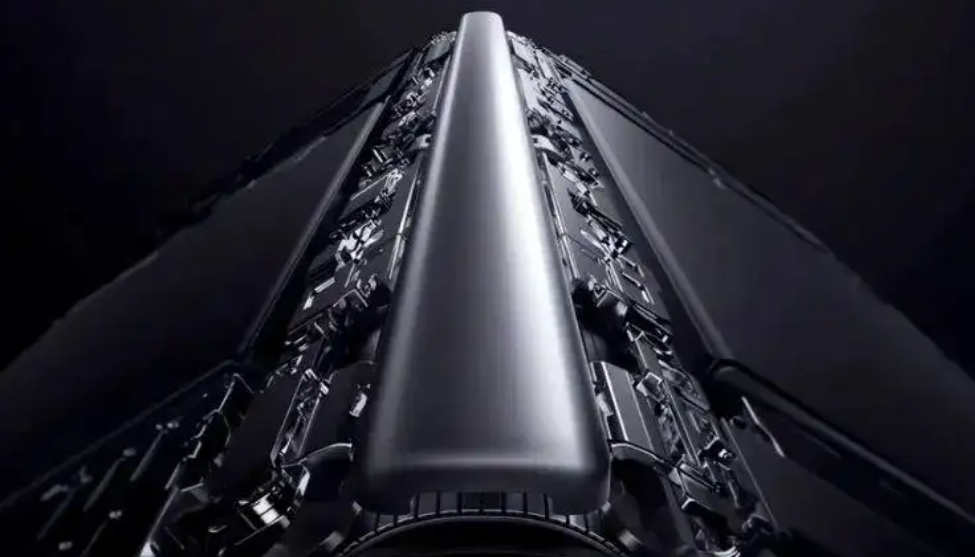
Conclusion: Embracing the Titanium Future with the Right Partner
The integration of Grade 5 titanium into the structural parts of 3C devices represents a significant leap forward, offering tangible benefits in device strength, longevity, and user experience. The narrative has evolved from titanium being a "nice-to-have" luxury to a "smart-to-implement" strategic advantage, thanks to advancements in cost-effective powder production and high-yield manufacturing like MIM.
The defining factor for success is choosing the right innovation partner. Leaders in this space are those who have pioneered the key enabling technologies: low-cost, high-performance spherical titanium powder, fast sintering methods, and mass-production expertise for MIM titanium. They combine this with a steadfast commitment to sustainable, circular production and the global capacity to support large-scale launches.
For brands looking to differentiate their products in a competitive market, the path is clear. By leveraging partnerships with such vertically integrated technology providers, they can unlock the full potential of Grade 5 titanium. This collaboration enables the creation of devices that are not only lighter and stronger but are also built on a foundation of economic and environmental responsibility, delivering a compelling value proposition to the end-user and the planet alike.
