For decades, titanium’s extraordinary properties—unmatched strength-to-weight ratio, corrosion resistance, and biocompatibility—confined it to the rarefied air of aerospace and medical sectors, where performance justified its premium cost. A pound of titanium once cost three times more than stainless steel, making it a luxury material reserved for jet engines, spacecraft, and life-saving implants. Today, however, a quiet revolution is unfolding: titanium is breaking into consumer electronics, automotive, energy, and everyday goods, driven by a perfect alignment between its inherent advantages and the manufacturing world’s shifting priorities: lightweight design to cut energy use, durability to extend product lifespans, and sustainability to reduce environmental impact. This expansion isn’t just a trend—it’s a redefinition of how industries value and utilize advanced materials, turning a niche alloy into a mainstream solution.
In consumer electronics, titanium has emerged as a linchpin for next-generation devices, where form and function collide. As wearables like Apple’s Watch Ultra and Samsung’s Galaxy Watch6 Classic push for all-day comfort, titanium cases and bands reduce weight by 15–20% compared to stainless steel, eliminating the “wrist fatigue” that plagued earlier models. For foldable phones—among the fastest-growing segments in tech, projected to hit 100 million units sold in 2025—titanium hinges are a game-changer: they resist the repeated stress of opening and closing (up to 200,000 cycles, per industry tests) far better than aluminum, which deforms over time, or magnesium, which corrodes easily. Brands like Xiaomi and Huawei have leaned into this advantage, using titanium frames for their Mix Fold and Mate X series to position themselves as premium innovators, with consumers willing to pay a 10–15% premium for the material’s perceived quality. Market research firm IDC reports that devices featuring titanium components saw a 45% year-over-year sales increase in 2024, as shoppers increasingly associate the metal with longevity and sophistication over fleeting trends.

The medical field, long a titanium stalwart, continues to expand its use beyond standard implants. Titanium’s biocompatibility—its ability to coexist with human tissue without triggering rejection—makes it ideal for new applications like bioresorbable bone screws, which gradually dissolve as the body heals, eliminating the need for a second surgery and reducing patient recovery time by 20%. Surgical instruments, too, are shifting to titanium: scalpels and forceps made from the alloy withstand repeated autoclave sterilization (temperatures up to 132°C) without corroding or dulling, unlike stainless steel tools that require frequent replacement, cutting hospital supply costs by 25%. Dental practices now use titanium abutments for dental implants, as the metal’s MRI compatibility lets patients undergo imaging without removing restorations—a convenience that has boosted patient satisfaction rates. Crucially, additive manufacturing (AM) has made custom medical titanium accessible: companies like Stryker use 3D printing to create patient-specific knee implants tailored to CT scans, cutting production time from weeks to days and reducing surgical complications by 30%.
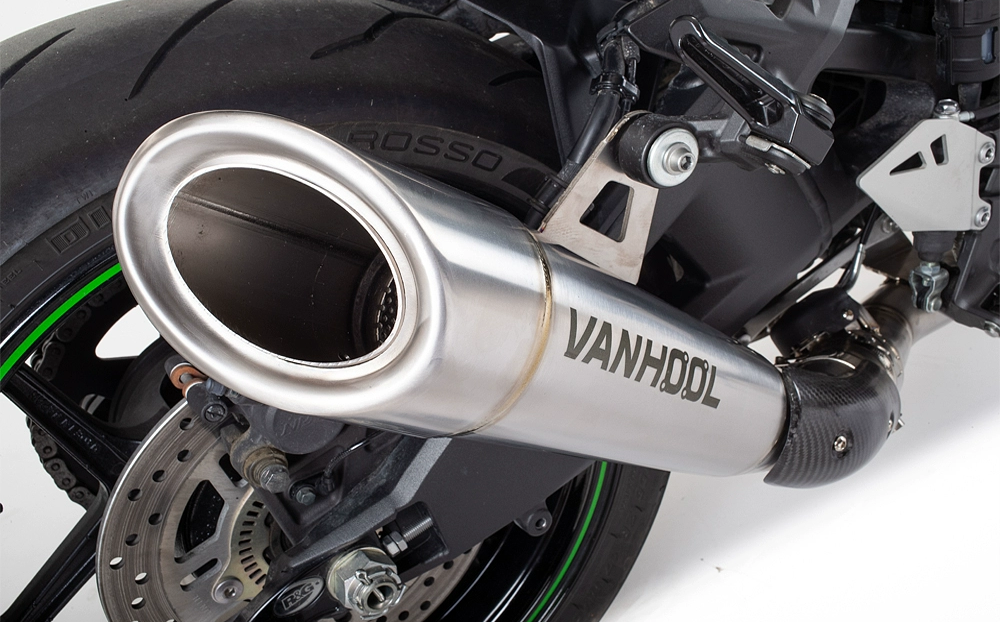
Industrial sectors are unlocking titanium’s untapped potential, driven by the push for efficiency and sustainability. In automotive, electric vehicle (EV) manufacturers are turning to titanium valves and exhaust components to trim weight: a titanium valve train reduces an EV’s overall mass by 5–8%, extending battery range by 4–6 km per charge— a critical selling point for consumers worried about range anxiety. Tesla has already integrated titanium into the Cybertruck’s exoskeleton, while Ford plans to use titanium in its 2025 F-150 Lightning to boost payload capacity by 10%. Notably, titanium’s thermal stability also makes it ideal for EV battery cooling systems, preventing overheating and enhancing safety, a feature Volkswagen is prioritizing for its 2026 ID.7 lineup. In energy, titanium’s corrosion resistance shines: offshore wind farms use titanium heat exchangers to withstand saltwater corrosion, doubling component lifespans from 15 to 30 years and slashing maintenance costs. Oil and gas companies deploy titanium pipes in deep-sea drilling, where harsh chemicals and high pressure would degrade steel within years. Even consumer goods are joining the trend: Oakley uses titanium in sunglass frames for its flexibility and scratch resistance, while Nike’s premium golf clubs feature titanium heads that enhance swing speed by 3–5% without adding weight.
Two converging trends are making this titanium revolution possible: process efficiency and sustainable sourcing. Traditional titanium manufacturing was slow and wasteful, with machining generating up to 80% scrap. Today, Metal Injection Molding (MIM) and binder jetting AM have transformed production: MIM injects titanium powder into molds to create complex parts at medium volumes, cutting per-unit costs by 30–40%, while binder jetting scales to high-volume production with minimal waste, as seen in Apple’s titanium watch case manufacturing. Equally vital is closed-loop recycling: companies like Kyhe Technology recover titanium scrap from CNC shops and aerospace factories, refining it into high-quality powder that performs as well as virgin material. This not only slashes material costs by 50% but also reduces titanium’s carbon footprint by 65%, aligning with global net-zero goals and meeting the demands of eco-conscious brands like Patagonia, which uses titanium in its outdoor gear.
As material science advances—with new titanium alloys optimized for specific uses, like heat-resistant grades for EV batteries and hypoallergenic variants for wearables—and manufacturing technologies become more accessible, titanium’s role will only broaden. What was once an exotic alloy reserved for rockets and heart stents is now becoming a mainstream engineering solution, powering everything from smartwatches to wind turbines. Titanium’s quiet revolution is a testament to how innovation can turn “premium” into “practical”—and in doing so, reshape industries for a lighter, stronger, and more sustainable future, one component at a time.


 EN
EN