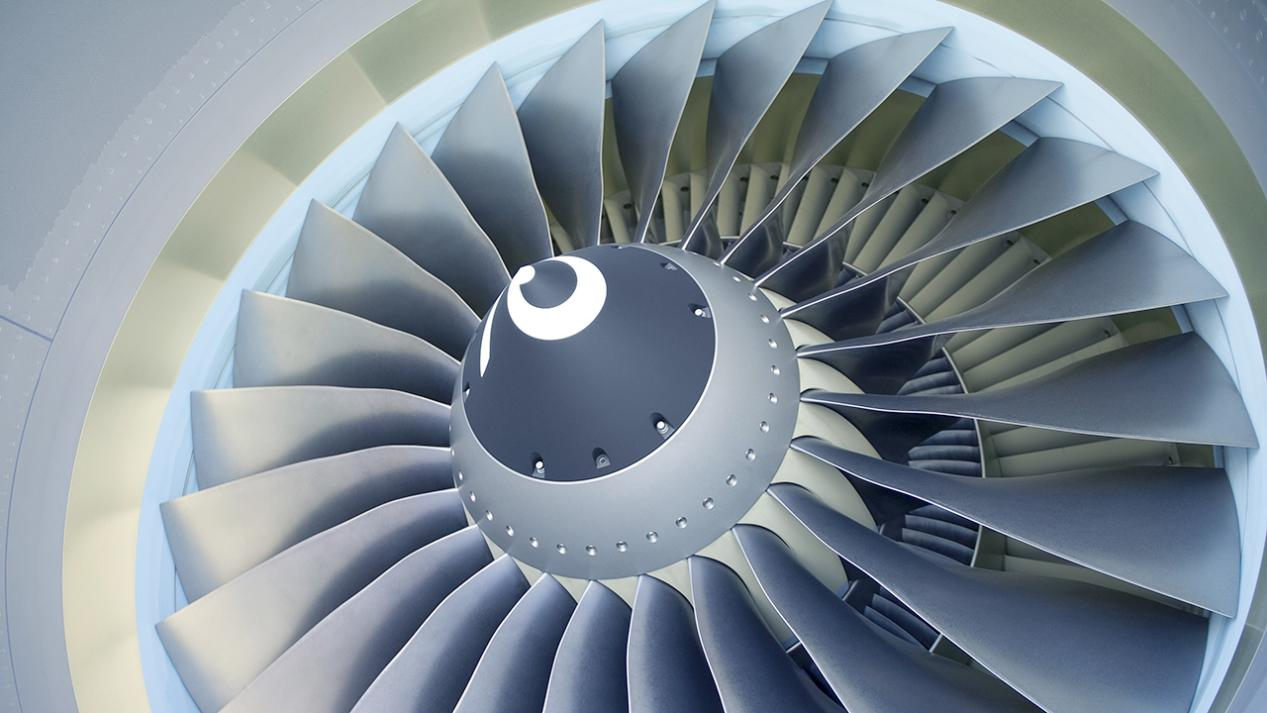
Titanium alloy has long stood as an unrivaled cornerstone of advanced manufacturing, celebrated for a rare combination of properties that set it apart from other metals: its strength-to-weight ratio outperforms steel by 40% while remaining 45% lighter, it resists corrosion even in harsh marine or chemical environments, and its biocompatibility allows it to fuse with human tissue without triggering immune reactions. For decades, these attributes have made it irreplaceable in mission-critical fields: aerospace engineers depend on titanium alloys like Ti-6Al-4V for jet engine fan blades that endure temperatures exceeding 500°C and extreme mechanical stress, while orthopedic surgeons rely on its inertness for knee and hip implants that can last 20 years or more in the human body. Yet its widespread adoption has been stymied by persistent, interwoven barriers: traditional processing methods—such as forging, casting, and CNC machining—generate a staggering 70-80% material waste. Raw titanium ore, known as rutile, requires energy-intensive refining to produce pure titanium sponge, and shaping this into finished parts often grinds away most of the material. This inefficiency, paired with a global titanium shortage driven by rising aerospace demand, has kept costs as high as $30 per pound, confining the metal to niche sectors and leaving industries like consumer electronics, electric vehicles (EVs), and renewable energy unable to tap into its benefits.
Recent breakthroughs in additive manufacturing (AM), however, are upending this long-standing paradigm. 3D printing technologies—most notably Selective Laser Melting (SLM) and Binder Jetting (BJ)—have emerged as transformative solutions by enabling the production of complex, near-net-shape titanium components with minimal material loss, often less than 10%. SLM, a powder bed fusion technique, uses a high-powered fiber laser (typically 200-400 watts) to selectively melt titanium powder particles layer by layer, building parts with dimensional accuracy within ±0.1mm. This method excels at creating high-density (up to 99.9%) components with intricate internal structures, such as latticework implants that mimic the porosity of human cancellous bone (30-70% porosity) to promote osseointegration, or aerospace fuel nozzles with internal cooling channels too complex for conventional machining. Binder Jetting, by contrast, offers a more scalable approach: it deposits a liquid polymer binder onto a bed of titanium powder to form “green” parts, which are then debinded and sintered in a high-temperature furnace to achieve full density. This process is 3-5 times faster than SLM and better suited for high-volume production, making it ideal for automotive components like EV battery housing brackets or aerospace subassemblies such as wing ribs.
This capability is particularly revolutionary for industries demanding customization, weight reduction, or design optimization. In biomedicine, global medical device giant Zimmer Biomet now uses SLM to produce patient-specific hip implants tailored to individual CT scan data. These implants feature personalized surface textures that encourage bone growth, reducing surgical time by 25% and cutting post-operative complication rates by nearly 40% compared to standard implants. In aerospace, Boeing has integrated over 600 3D-printed titanium brackets into its 787 Dreamliner, each weighing 30% less than the welded steel components they replaced. This weight reduction translates to a 1.5% improvement in fuel efficiency— a significant gain for airlines facing soaring fuel costs. Even in consumer technology, brands are embracing the shift: Casio’s G-Shock line now offers watches with AM titanium cases that are 20% lighter than stainless steel versions while being 30% more scratch-resistant, and Chinese tech firm Xiaomi used BJ-printed titanium for the frame of its Mix Fold 3 smartphone, balancing durability with a slim profile. For these industries, AM doesn’t just make titanium affordable—it unlocks design possibilities that were previously impossible.
A key driver of this shift is the maturation of titanium powder processing— the lifeblood of AM. Early titanium powders suffered from irregular shapes and inconsistent particle sizes, leading to poor flowability and uneven printing results. Today, innovations like plasma atomization and gas atomization have revolutionized powder spheroidization, producing smooth, spherical particles that flow uniformly through AM machines. Precision classification technologies now allow tight control over particle size distributions (typically 15–45μm for SLM), ensuring consistent packing density and reducing print defects like porosity. Moreover, the emergence of recycled titanium powders—sourced from CNC machining scrap, aerospace offcuts, and even discarded medical devices—has addressed both cost and sustainability concerns. Companies like Kyhe Technology have developed processes to refine recycled scrap into high-quality AM powder, slashing material costs by 40–60% and diverting tons of metal from landfills, aligning with global circular economy initiatives.
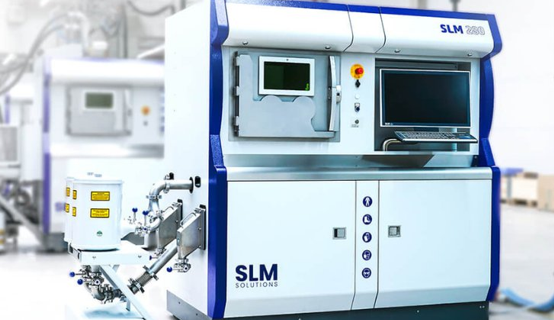
Challenges remain, however, that prevent widespread AM titanium adoption. Titanium’s extreme reactivity with oxygen means printing must occur in inert argon or nitrogen atmospheres, requiring specialized, high-cost equipment to maintain ultra-low oxygen levels (below 0.1%). Post-printing processing also remains a bottleneck: most AM titanium parts require heat treatment to relieve residual stresses, followed by machining or polishing to achieve final surface finishes—steps that can account for 30–50% of total production time and cost. Additionally, quality control remains complex, as tiny defects like microcracks can compromise part performance, demanding advanced inspection tools like computed tomography (CT) scanning.
Industry efforts are now focused on developing integrated solutions to streamline the entire AM workflow. Material scientists are formulating titanium alloys with modified chemistries to reduce oxygen sensitivity, while AI-driven process monitoring systems use real-time sensor data to detect and correct defects mid-print. Companies like EOS are pioneering “print-to-part” solutions that combine AM machines with automated post-processing modules, creating a seamless production line. Meanwhile, standards organizations like ASTM International are working to establish uniform criteria for AM titanium powder and parts, building confidence among manufacturers.
The trajectory is clear: as these technologies mature, titanium alloys will increasingly penetrate mass-market applications. In electric vehicles, AM titanium could reduce battery enclosure weight, extending range without sacrificing safety. In renewable energy, it could create corrosion-resistant components for offshore wind turbines. What was once a premium material confined to elite industries is on track to become a mainstream building block of modern manufacturing—democratized by additive manufacturing’s efficiency and recycled powders’ sustainability. Titanium’s next chapter is not just about better parts, but about building a more efficient, circular industrial ecosystem.


 EN
EN